 Skip to content
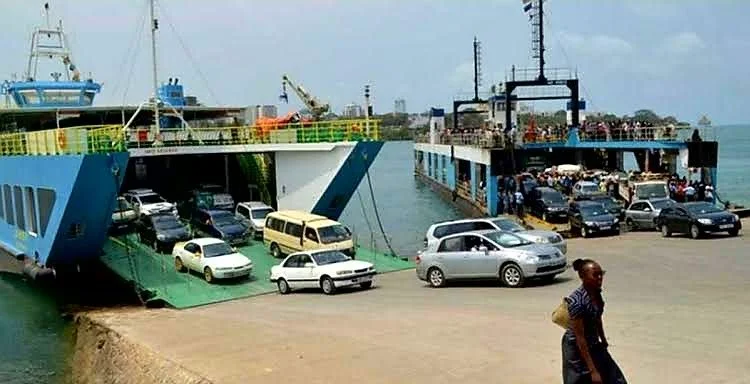
Mombasa, Kenya’s iconic coastal hub, is rich in history, culture, beaches, and tourism. But when it comes to connecting the city to the South Coast—including destinations like Diani Beach, Tiwi, and Ukunda—travelers have traditionally relied on the Likoni Ferry. That changed recently with the opening of the Dongo Kundu Bypass, a modern road that offers a new travel experience and alternatives to the old ferry system.
Check out how much it cost to cross the Likoni Ferry
The Likoni Ferry: A Historic Coastal Crossing
The Likoni Ferry has been the backbone of travel between Mombasa Island and the southern mainland since the 1930s. It carries both pedestrians and vehicles across Kilindini Harbour, approximately 500 meters wide.
How It Works
- Ferries operate continuously across the channel between Mombasa Island and Likoni.
- Pedestrians board separately from vehicles; cars and motorcycles pay a small toll. Check out prices by car category.
- Passengers can walk on or drive on/off the ferry within minutes—if there’s no queue.
Pros
✔ A quick and direct across-the-water connection
✔ Authentic local experience
✔ Free for pedestrians (vehicles pay)
Cons
❌ Often congested, especially on weekends and holidays
❌ Wait times can stretch from 30 minutes to hours
❌ Traffic can be unpredictable during peak periods
Dongo Kundu Bypass: Modern Road Alternative
Opened to traffic in 2024, the Dongo Kundu Bypass (also known as the Mombasa Southern Bypass) is a major 18 km highway that connects Miritini on the mainland to Ng’ombeni and the South Coast—completely bypassing the need for the ferry.
Key Features
- Starts at Miritini Interchange on the Nairobi–Mombasa Highway.
- Passes the edge of Moi International Airport, with a link road for direct access.
- Includes major bridges over waterways, including the Mwache, Tsunza, and Mteza bridges.
- It ends at the Ng’ombeni interchange, feeding into the south coast road.
Pros
✔ Smooth, uninterrupted travel without ferry delays
✔ Significantly reduced travel times (e.g., Miritini/airport to Diani in ~45 min vs >2 hrs before)
✔ Great for tourists, commercial vehicles, and long-distance travelers
✔ Boosts regional trade and accessibility
Cons
❌ Longer distance compared with the direct ferry crossing
❌ Currently not pedestrian-friendly (designed for motor vehicles)
❌ Tolling plans are being considered, which may add costs in the future
Direct Comparison: Ferry vs. Bypass
| Feature | Likoni Ferry | Dongo Kundu Bypass |
| Travel Type | Water crossing | Road connection |
| Best For | short cross-harbour trips | Long drives toward the south coast |
| Travel Time | Varies (can be slow) | More predictable & faster |
| Vehicle Capacity | Limited per ferry | Unlimited flow (traffic-dependent) |
| Cost | Only vehicle tolls | There may be potential toll charges in the future. |
| Experience | Traditional/local | Modern infrastructure |
Which Should You Choose?
✅ If you’re local or want the authentic coastal experience:
The Likoni Ferry offers a short, scenic connection and gets you straight across the water. It’s perfect for quick trips with light luggage or if you want to soak in a classic Mombasa moment.
✅ If you prioritize speed, comfort, and reliability:
The Dongo Kundu Bypass is the smart choice—especially for day trips from the airport or long drives to Diani, Ukunda, Tiwi, or Shimoni. It bypasses congestion and is far less stressful than waiting at the ferry crossing.
Travel Tips
- Timing matters: early morning or late afternoon trips may still jam at the ferry, so plan accordingly.
- Traffic updates: Keep an eye on local news or travel apps for congestion at the ferry or on the bypass.
- Airport transfers: Many modern transfers from Moi International Airport now use the bypass for quicker travel.
Both the Likoni Ferry and the Dongo Kundu Bypass serve important roles in Mombasa’s transport ecosystem. While the ferry remains a historic and useful link, the bypass represents the future of coastal travel: faster, more efficient, and better suited for long-distance travelers. The best choice depends on your priorities—whether that’s experience or efficiency.