Rabai Museum
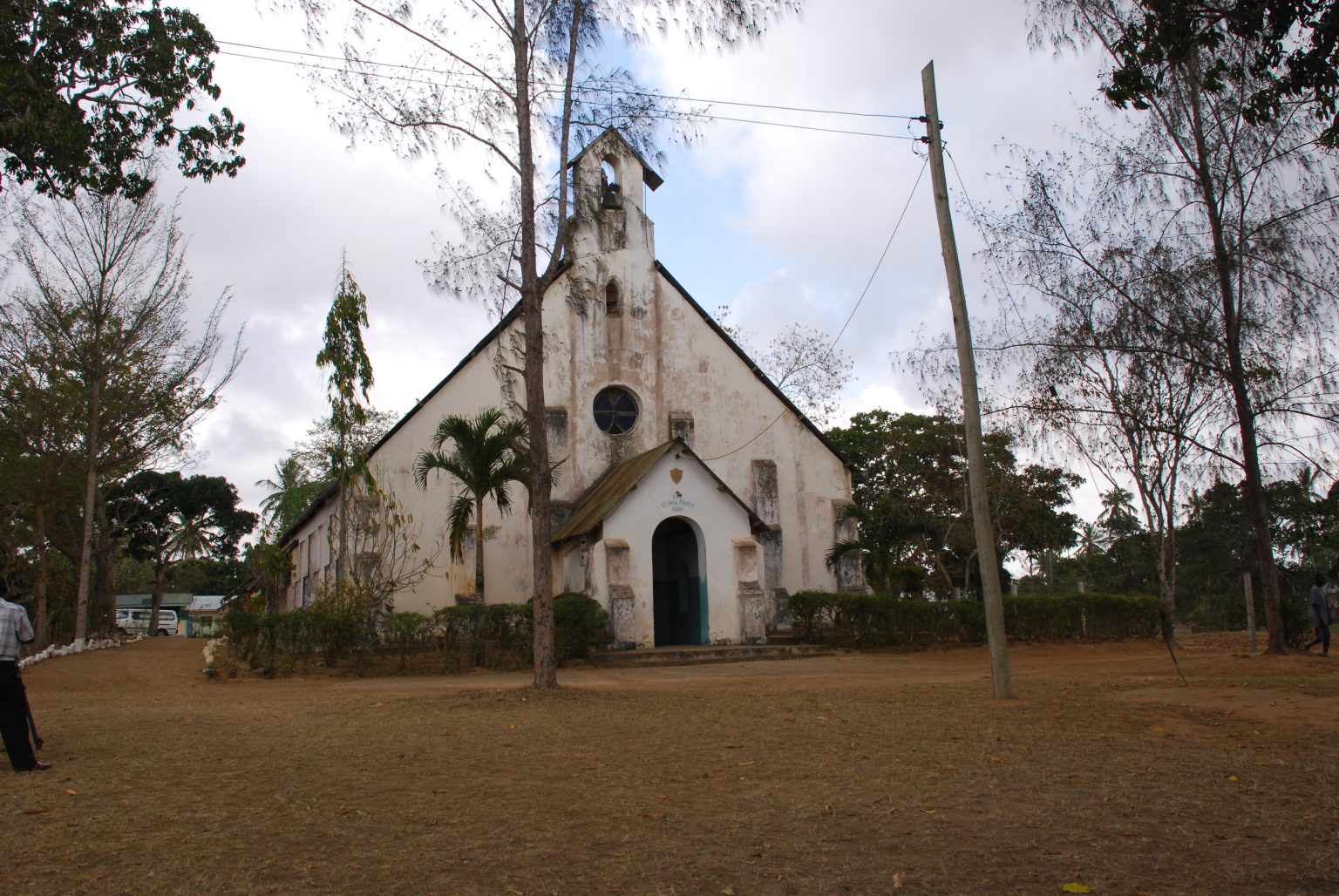
Rabai Museum, also known as the Krapf Memorial Museum, is one of Kenya's most historically significant museums. Located in Rabai, approximately 25 kilometres northwest of Mombasa in Kilifi County, the museum stands at the site where Christianity and modern formal education first established a permanent presence in Kenya. For more than 175 years, Rabai has remained a place of immense historical, religious, and educational importance.
The museum preserves the legacy of the Rabai Mission Station, founded during the nineteenth century by pioneering missionaries Johann Ludwig Krapf and Johannes Rebmann. Through its collections, historic buildings, archives, and educational exhibits, visitors gain a deeper understanding of the beginnings of Christianity in Kenya, the growth of literacy and formal education, the fight against slavery, and the cultural heritage of the coastal communities that interacted with the mission.
Unlike many traditional museums that focus solely on indoor galleries, Rabai Museum is itself part of the exhibition. The surrounding mission landscape, historic church, missionary residences, and preserved heritage structures provide visitors with a rare opportunity to experience history in the very place where it unfolded.
Today, Rabai Museum continues to attract students, researchers, pilgrims, historians, and cultural tourists interested in understanding how a small mission station on the Kenyan coast helped shape the country's religious, educational, and social development.
History of Rabai Museum
The story of Rabai Museum begins with the establishment of the Rabai Mission Station during the nineteenth century. At a time when much of East Africa remained unfamiliar to European missionaries, members of the Church Missionary Society sought to create a permanent base that would support evangelism, education, translation work, and community development.
Johann Ludwig Krapf, a German missionary and linguist, arrived on the East African coast with a vision of establishing a Christian mission that would serve local communities while also opening opportunities for learning and social transformation. Working closely with fellow missionary Johannes Rebmann, Krapf identified Rabai as a suitable location for this ambitious undertaking.
Land was acquired from local elders, and work soon began on developing what would become Kenya's first permanent Christian mission station. The settlement grew steadily and became a center for worship, education, translation, literacy, agriculture, and community support.
Over the following decades, Rabai played a central role in some of the most important developments in Kenya's history. The mission station became associated with the spread of Christianity, the growth of formal education, language studies, anti-slavery initiatives, and the creation of new opportunities for local communities.
Recognizing the importance of preserving this heritage, the National Museums of Kenya established the Krapf Memorial Museum in 1994. Following restoration and conservation efforts supported by various partners, including the German Embassy, the museum was formally opened to the public in 1998.
Today, the museum serves as a permanent reminder of the remarkable events that occurred at Rabai and the individuals who contributed to Kenya's social, educational, and religious history.
The Beginning of Christianity in Kenya
Rabai occupies a unique position in Kenya's religious history because it is widely recognized as the birthplace of Christianity in the country. Although Christian visitors had previously reached the East African coast, the Rabai Mission represented the first successful establishment of a permanent Christian community in Kenya.
The missionaries who settled at Rabai introduced Christian teachings, established places of worship, translated religious materials, and trained local converts who would later contribute to the growth of Christianity in other parts of the country.
These efforts created a foundation upon which future churches, schools, and mission stations would be built. The influence of Rabai gradually extended beyond the coast and helped shape the development of Christian communities throughout Kenya.
The story of Christianity in Kenya cannot be fully understood without understanding the role played by Rabai and the individuals who dedicated their lives to establishing the mission.
Johann Ludwig Krapf and Johannes Rebmann
Among the most important figures associated with Rabai Museum are Johann Ludwig Krapf and Johannes Rebmann. Their contributions extended far beyond missionary work and left a lasting impact on education, language development, geography, and cultural understanding in East Africa.
Krapf was renowned for his linguistic abilities and his determination to learn local languages. He believed that effective communication required a deep understanding of the people and cultures he encountered. His work contributed to the development of written materials, translations, and educational resources that helped support literacy and learning.
Johannes Rebmann shared Krapf's commitment to missionary service and exploration. Together, the two men worked tirelessly to establish the Rabai Mission Station and create opportunities for education and social development.
Their efforts laid the foundation for many institutions and traditions that continue to influence Kenyan society today. Through preserved documents, historical records, and museum exhibits, visitors can learn about the achievements and challenges faced by these pioneering missionaries.
The Rabai Mission Station
The Rabai Mission Station occupies a special place in Kenyan history as the first permanent Christian mission established in the country. Founded during the mid-nineteenth century by Johann Ludwig Krapf under the Church Missionary Society (CMS), the mission became a center for religion, education, language studies, and social development. What began as a small missionary settlement eventually evolved into one of the most influential institutions on the East African coast.
The choice of Rabai was strategic. Located inland from Mombasa but still connected to important coastal trade routes, the area offered an environment where missionaries could establish a stable community while maintaining links with the wider region. The mission station soon attracted local residents, freed slaves, students, and visitors interested in learning, worship, and community life.
As the settlement expanded, additional buildings were constructed to support educational activities, religious instruction, accommodation, and administration. The mission became a model for later Christian settlements established throughout East Africa and played a significant role in shaping the future of missionary work in the region.
Today, visitors to Rabai Museum can still experience the historic landscape of the mission station. Walking through the site provides a unique opportunity to connect with the place where some of Kenya's most important educational and religious milestones first occurred.
Land Acquisition and the Establishment of the Mission
Historical records indicate that Johann Ludwig Krapf and Johannes Rebmann acquired land from the elders of Rabai Kaya to establish the mission station. This cooperation between local leaders and the missionaries was crucial to the success of the project and allowed the mission to develop within an existing cultural landscape.
The acquisition of land enabled the construction of permanent buildings and provided space for future expansion. Unlike temporary missionary outposts that existed elsewhere along the coast, Rabai developed into a lasting settlement that continued to influence the region long after its founders had departed.
The mission's growth reflected the willingness of many local communities to engage with new educational opportunities while also maintaining their own cultural traditions. This interaction between local and foreign influences became one of the defining characteristics of Rabai's history.
Today, the preserved mission grounds serve as a reminder of this important period of cooperation and cultural exchange.
Saint Paul's Church at Rabai
Among the most important landmarks within the mission station is Saint Paul's Church, widely recognized as the first permanent Christian church built in Kenya. Completed in 1846, the church stands as one of the country's most significant religious monuments and a powerful symbol of the beginnings of Christianity in Kenya.
The construction of Saint Paul's Church represented a major achievement for the early missionaries and the local communities who assisted them. Built using locally available materials and labor, the church provided a permanent place of worship and served as the spiritual center of the growing mission settlement.
For generations, the church has hosted worship services, baptisms, weddings, educational activities, and community gatherings. It remains an active symbol of faith while also serving as an important heritage monument that attracts visitors from across Kenya and beyond.
The survival of Saint Paul's Church for more than a century and a half highlights its enduring significance and the importance of ongoing conservation efforts.
Architecture of Saint Paul's Church
The architecture of Saint Paul's Church reflects the practical realities of missionary construction during the nineteenth century. The building combines simple design principles with local construction methods and materials, creating a structure that is both historically significant and architecturally distinctive.
Although modest in scale compared to many modern churches, its historical importance is immense. The church represents one of the earliest surviving examples of Christian ecclesiastical architecture in Kenya and provides insight into the conditions under which missionary communities operated during this period.
The building's preservation allows visitors to appreciate the craftsmanship involved in its construction and to better understand the challenges faced by those who established the mission. Its continued presence within the Rabai landscape serves as a tangible link to the earliest days of Christianity in Kenya.
For many visitors, standing inside Saint Paul's Church is one of the most memorable aspects of a visit to Rabai Museum.
The First School in Kenya
Beyond its religious significance, Rabai played a pioneering role in the development of formal education in Kenya. The mission established one of the earliest schools in the country, creating opportunities for literacy and learning at a time when formal educational institutions were extremely rare.
Students at the mission school were taught reading, writing, arithmetic, religious studies, and practical skills. These educational efforts reflected the missionaries' belief that literacy and knowledge were essential tools for personal and community development.
The school also became a center for language learning and translation work. Educational materials were developed to support teaching and to make information more accessible to local communities. These initiatives helped lay the foundation for the broader educational system that would emerge in Kenya during later years.
The story of education in Kenya cannot be told without acknowledging the important role played by Rabai and the mission school established there.
Modern Learning Begins at Rabai
Rabai is often described as the birthplace of modern learning in Kenya because of its contribution to literacy, language development, and formal education. The mission introduced new approaches to teaching and helped create pathways through which knowledge could be shared more widely.
Missionaries devoted considerable effort to documenting local languages, producing educational resources, and encouraging literacy among students and community members. Their work contributed not only to religious instruction but also to the broader development of education throughout the region.
As literacy rates increased, new opportunities emerged for communication, record-keeping, administration, and learning. The educational programs established at Rabai influenced future mission schools and helped shape the evolution of formal education in Kenya.
Today, visitors to Rabai Museum can learn about these achievements through exhibits, historical records, and preserved heritage structures that illustrate the mission's educational legacy.
Language Studies and Translation Work
One of the most important contributions made by the missionaries at Rabai was their commitment to language studies and translation. Johann Ludwig Krapf, in particular, believed that understanding local languages was essential for effective communication and education.
Missionaries worked closely with local communities to learn languages, develop written forms, and produce educational and religious materials. These efforts resulted in valuable linguistic records and contributed to the preservation and documentation of East African languages.
Translation work also helped make educational resources accessible to a wider audience and supported the spread of literacy throughout the region. The importance of these achievements extends far beyond missionary history and remains relevant to scholars studying language, culture, and education today.
Many of the museum's exhibits highlight these linguistic contributions and demonstrate how language studies played a central role in the development of Rabai as a center of learning.
The Role of Rabai in the Abolition of Slavery
One of the most important aspects of Rabai's history is its connection to the struggle against slavery in East Africa. During the nineteenth century, the East African slave trade had a profound impact on communities across the region. Thousands of people were captured, displaced, and subjected to exploitation through networks that extended across the Indian Ocean world.
The missionaries at Rabai believed that the mission station should serve not only as a center for religious teaching but also as a place of refuge and support for vulnerable individuals. As a result, Rabai became closely associated with efforts to assist freed slaves and provide opportunities for education, training, and community integration.
Many formerly enslaved individuals found safety at mission settlements where they were able to rebuild their lives and participate in educational and economic activities. These efforts contributed to broader movements aimed at ending slavery and promoting human dignity throughout the region.
The anti-slavery legacy of Rabai remains one of the museum's most significant themes and continues to attract visitors interested in understanding this important chapter of East African history.
Rabai Museum and the History of Slavery in East Africa
The museum's exhibitions explore the complex history of slavery on the East African coast and the efforts made by missionaries, local leaders, and international organizations to combat the trade. Through photographs, documents, interpretive displays, and historical narratives, visitors gain insight into the human experiences behind one of the region's most challenging historical periods.
These exhibits help explain how the slave trade affected communities along the coast and how mission stations such as Rabai became centers of support for liberated individuals. The museum emphasizes the resilience of those who overcame adversity and contributed to the development of new communities.
By preserving these stories, Rabai Museum encourages reflection on the values of freedom, human rights, and social justice. It also helps visitors understand the historical context that shaped many aspects of East African society.
The interpretation of slavery and emancipation at Rabai provides an important educational experience that complements the museum's broader focus on religion, education, and cultural heritage.
Why Krapf Memorial Museum Was Established
For generations, stories about the Rabai Mission Station, the first church in Kenya, and the pioneering missionaries were preserved through oral traditions and local memory. As awareness of the site's historical importance grew, efforts were made to create a permanent institution that could protect and interpret this heritage.
The Krapf Memorial Museum was established by the National Museums of Kenya in 1994 to preserve the history of Christianity, education, anti-slavery efforts, and cultural interaction at Rabai. Following restoration and development work, the museum was officially opened to the public in 1998.
The museum was created not only to preserve historic buildings and artifacts but also to provide a center for education, research, and public engagement. Through exhibitions, guided tours, and educational programs, it helps visitors understand the significance of Rabai in the broader history of Kenya.
Today, the museum continues to fulfill this mission by preserving collections and sharing stories that might otherwise have been lost.
Rabai Museum Collections
The collections housed at Rabai Museum provide valuable insight into the religious, educational, and social history of Kenya. They include historical documents, missionary records, maps, photographs, books, artifacts, and cultural objects that illustrate different aspects of life at the mission station and within surrounding communities.
These collections help visitors understand the experiences of missionaries, students, teachers, community leaders, and former slaves who contributed to the development of Rabai. They also provide evidence of the interactions between local cultures and foreign influences that shaped the history of the region.
Many of the exhibits are designed to support both casual visitors and researchers seeking a deeper understanding of the historical significance of the site.
Together, these collections make Rabai Museum one of the most important repositories of missionary and educational heritage in Kenya.
Historic Documents, Maps and Missionary Records
Among the museum's most valuable resources are its collections of historical documents, maps, letters, books, and missionary records. These materials provide firsthand evidence of the work undertaken by Johann Ludwig Krapf, Johannes Rebmann, and other individuals associated with the mission.
The documents reveal details about daily life at Rabai, educational initiatives, language studies, religious activities, and interactions with local communities. They also provide important information about the geography, culture, and social conditions of nineteenth-century East Africa.
Historical maps preserved within the collection illustrate how knowledge of the region developed over time and demonstrate the role of missionaries in documenting previously little-known areas.
For historians, students, and researchers, these records represent an invaluable source of information about a transformative period in Kenya's history.
Mijikenda Cultural Heritage Exhibitions
Rabai Museum recognizes that the history of the area cannot be understood solely through the story of the mission station. The museum also celebrates the cultural heritage of the Mijikenda communities whose traditions, knowledge, and history form an essential part of the region's identity.
Through ethnographic exhibitions, visitors can learn about the customs, social structures, beliefs, and artistic traditions of the Mijikenda people. These displays help create a more balanced understanding of local history and demonstrate how communities adapted to changing social and political circumstances.
The museum's interpretation emphasizes cultural continuity as well as change, showing how local traditions have remained important even as new influences were introduced through education, religion, and trade.
This approach allows visitors to appreciate the richness and diversity of Kenya's coastal heritage.
Traditional Clothing and Cultural Objects
The museum contains a variety of ethnographic objects associated with Mijikenda communities. These include ceremonial regalia, traditional clothing, household items, agricultural tools, and objects used in food preparation and daily life.
Examples such as the hando, a traditional short skirt, and the kishutu, a colorful fabric garment, provide insight into local dress and cultural identity. Other artifacts demonstrate the skills and creativity of communities that have lived along the Kenyan coast for generations.
These collections help preserve knowledge that might otherwise disappear and provide visitors with an opportunity to engage directly with aspects of Kenya's cultural heritage.
They also illustrate the importance of museums in safeguarding traditions and transmitting cultural knowledge to future generations.
The Rebmann and Krapf Cottages
Among the most significant heritage structures associated with Rabai Museum are the cottages connected to Johannes Rebmann and Johann Ludwig Krapf. These buildings provide rare physical links to the lives and work of the missionaries who helped establish the mission station.
As part of major restoration efforts, the cottages were conserved and adapted for educational purposes. Today, they contribute to the museum's interpretation of missionary history and help visitors visualize the conditions under which the pioneers lived and worked.
The preservation of these structures ensures that future generations can continue to experience authentic elements of the original mission landscape. Their historical value extends beyond architecture and includes their association with individuals whose influence helped shape Kenyan history.
Together with Saint Paul's Church and the museum galleries, the cottages form an integral part of the Rabai Museum experience.
Why Rabai Museum Matters Today
Rabai Museum remains one of Kenya's most important heritage sites because it preserves the story of events that helped shape the nation. The museum stands at the intersection of religion, education, language development, cultural exchange, and social reform. Few places in Kenya can claim such a broad and lasting influence on the country's historical development.
The museum provides visitors with an opportunity to understand how ideas introduced more than 175 years ago contributed to the growth of Christianity, literacy, formal education, and humanitarian initiatives throughout Kenya. The preservation of this heritage ensures that future generations can continue learning from the experiences of those who helped build the foundations of modern Kenyan society.
Beyond its historical significance, Rabai Museum serves as a place of reflection and dialogue. It encourages visitors to think about cultural interaction, social justice, education, and the role individuals can play in creating positive change within their communities.
For historians, students, pilgrims, educators, and tourists, Rabai Museum continues to offer valuable lessons about the past while remaining relevant to contemporary discussions about identity, heritage, and development.
Visitor Experience at Rabai Museum
A visit to Rabai Museum offers much more than a traditional museum experience. Visitors are able to explore a living heritage landscape where historic buildings, cultural collections, educational exhibits, and preserved mission structures combine to tell a remarkable story.
Walking through the mission grounds allows visitors to experience the same environment where pioneering missionaries lived and worked during the nineteenth century. Saint Paul's Church, the missionary cottages, museum galleries, and surrounding landscape all contribute to an immersive journey through history.
The peaceful setting of Rabai also makes it an ideal destination for reflection and learning. Many visitors appreciate the opportunity to explore the birthplace of Christianity and modern education in Kenya while enjoying the tranquil atmosphere of the site.
Whether visiting as part of a school trip, research project, pilgrimage, heritage tour, or family excursion, Rabai Museum offers an educational and memorable experience.
How to Get to Rabai Museum
Rabai Museum is located approximately 25 kilometres northwest of Mombasa in Kilifi County. The museum can be reached via the Nairobi–Mombasa Highway before connecting to the Mazeras–Kaloleni Road.
The journey from Mombasa typically takes around thirty minutes by road, making the museum easily accessible for day trips. Visitors may travel using private vehicles, taxis, organized tours, or public transport operating within the region.
Its location also makes it convenient to combine a visit with other coastal heritage attractions managed by the National Museums of Kenya.
The museum's accessibility and historical importance make it a popular destination for both local and international visitors.
Rabai Museum Opening Hours
Opening Days:
Monday – Sunday
Opening Hours:
8:00 AM – 6:00 PM
Public Holidays:
Open during public holidays unless otherwise communicated by the National Museums of Kenya.
Rabai Museum Entry Fees
Admission fees for Rabai Museum are determined by the National Museums of Kenya and may be updated periodically. Visitors are encouraged to confirm the latest rates before planning their visit.
Revenue generated through admissions contributes directly to conservation projects, educational programs, heritage preservation initiatives, and visitor services that help safeguard the museum's collections and historic buildings.
Buy Rabai Museum Tickets Online
Visitors can purchase tickets in advance through the official National Museums of Kenya eCitizen ticketing platform. Online ticketing offers a convenient way to plan your visit and secure admission before arrival.
Buy Rabai Museum Tickets Online
Rabai Museum Contact Information
For information regarding guided tours, educational visits, research requests, school programs, group bookings, and general visitor assistance, please contact the museum using the details below.
The Curator
Rabai Museum
P.O. Box 82
Rabai – Mazeras, Kenya
Frequently Asked Questions About Rabai Museum
What is Rabai Museum?
Rabai Museum, also known as the Krapf Memorial Museum, is a historical museum located at the Rabai Mission Station where Christianity and modern formal education first established a permanent presence in Kenya.
Why is Rabai Museum important?
The museum preserves the history of Kenya's first permanent Christian mission station, the first church in Kenya, early educational initiatives, anti-slavery efforts, and the cultural heritage of the Mijikenda communities.
Where is the first church in Kenya located?
Saint Paul's Church at Rabai is widely recognized as the first permanent Christian church built in Kenya. It is located within the historic Rabai Mission Station in Kilifi County.
Who was Johann Ludwig Krapf?
Johann Ludwig Krapf was a German missionary, linguist, explorer, and scholar who founded the Rabai Mission Station and played a major role in the development of Christianity, education, and language studies in East Africa.
How did Rabai contribute to education in Kenya?
Rabai was home to one of Kenya's earliest mission schools and became a center for literacy, translation work, and formal learning, helping lay the foundations for modern education in the country.
What role did Rabai play in the abolition of slavery?
The Rabai Mission Station provided refuge, education, and support to formerly enslaved individuals and contributed to broader anti-slavery efforts along the East African coast.
Can I buy Rabai Museum tickets online?
Yes. Visitors can purchase tickets through the official National Museums of Kenya eCitizen ticketing platform before visiting the museum.
Plan Your Visit to Rabai Museum
Rabai Museum is more than a historical attraction. It is a place where visitors can explore the origins of Christianity in Kenya, learn about the beginnings of formal education, understand the struggle against slavery, and engage with the cultural heritage of the Kenyan coast.
Its collections, historic buildings, and preserved mission landscape provide a unique opportunity to connect with some of the most significant events in Kenyan history. Every visit offers new insights into the people, ideas, and institutions that helped shape the nation.
Whether you are visiting for research, education, pilgrimage, or leisure, Rabai Museum remains one of the most rewarding heritage destinations in Kenya.
See Also
Continue exploring Kenya's rich coastal heritage through these related National Museums of Kenya destinations.
- Explore Fort Jesus Museum, a UNESCO World Heritage Site and one of Africa's finest examples of Portuguese military architecture.
- Discover Gede Ruins and learn about the rise and fall of a prosperous Swahili civilization.
- Visit Malindi Museum and explore the Vasco da Gama Pillar, Portuguese Chapel, and coastal heritage collections.