Nairobi Gallery
Overview
The Nairobi Gallery is a historic art museum and cultural landmark located in the heart of Nairobi, Kenya, near Kenyatta Avenue and Uhuru Highway, at the iconic Point Zero, where distances across the country were historically measured. Originally built in 1913 as a colonial government building, the Nairobi Gallery has evolved into one of Kenya’s most important centers for African art, heritage, and history, showcasing the Murumbi African Heritage Collections, traditional artifacts, textiles, jewelry, sculptures, and contemporary African artworks. As both a national monument and a modern museum, the Nairobi Gallery reflects Nairobi’s colonial past, post-independence transformation, and vibrant artistic identity, making it a must-visit destination for tourists, historians, and art lovers seeking to explore Kenya’s cultural heritage and African creativity in one iconic space. 👉 Nairobi Gallery Complete Guide
Table of Contents
The Nairobi Gallery is more than an art space—it is a living monument where Kenya’s history, architecture, politics, and African creativity converge. Standing at the iconic roundabout where Kenyatta Avenue meets Uhuru Highway, next to Nyayo House, the Nairobi Gallery occupies one of the most symbolic locations in the country. This historic building sits at Kenya’s “Point Zero,” the reference point from which distances to all corners of the nation were once measured. Over the past century, the Nairobi Gallery has transformed from a colonial administrative office into one of Kenya’s most important cultural institutions. Today, it serves as a museum, an art gallery, and a historical monument, attracting visitors who want to understand Nairobi’s past and experience Africa’s artistic heritage in one place.
The Origins of Nairobi Gallery and Colonial History
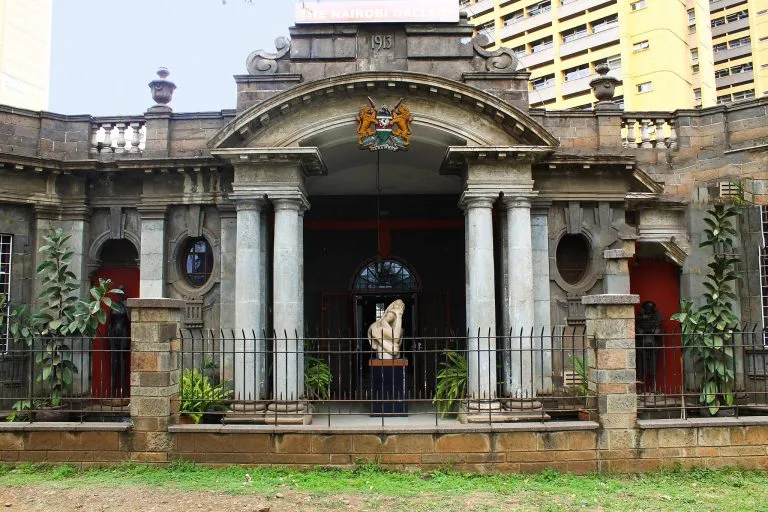
The Nairobi Gallery building was designed by architect C. Rand Ovary and completed in 1913 during the colonial period. It was originally constructed to house the Ministry of Native Affairs, a government department responsible for managing African affairs under British rule. Among European settlers, the building earned the nickname “Hatches, Matches, and Dispatches,” referring to the registration of births, marriages, and deaths carried out within its walls.
Before Kenya’s independence, the building also functioned as a colonial courthouse. Africans accused of entering Nairobi without official passes were tried and sentenced here, making the structure a powerful symbol of colonial control and urban regulation. In this way, the Nairobi Gallery is deeply connected to the social and political history of Nairobi and its people.
After independence in 1963, the building was repurposed as the office of the Provincial Commissioner for Nairobi Province. It served this role until 1983, when the provincial administration relocated to Nyayo House. The building was later used by the Kenya African National Union (KANU), the ruling political party at the time, as its Nairobi branch office until the late 1990s.
Recognizing its historical and architectural value, the Kenyan government gazetted the building as a national monument in 1995. Ownership was transferred to the National Museums of Kenya, which began a major renovation project in 1999. In 2005, the restored building officially opened to the public as the Nairobi Gallery, marking the beginning of a new chapter in its history.
Nairobi Gallery and Kenya’s Point Zero
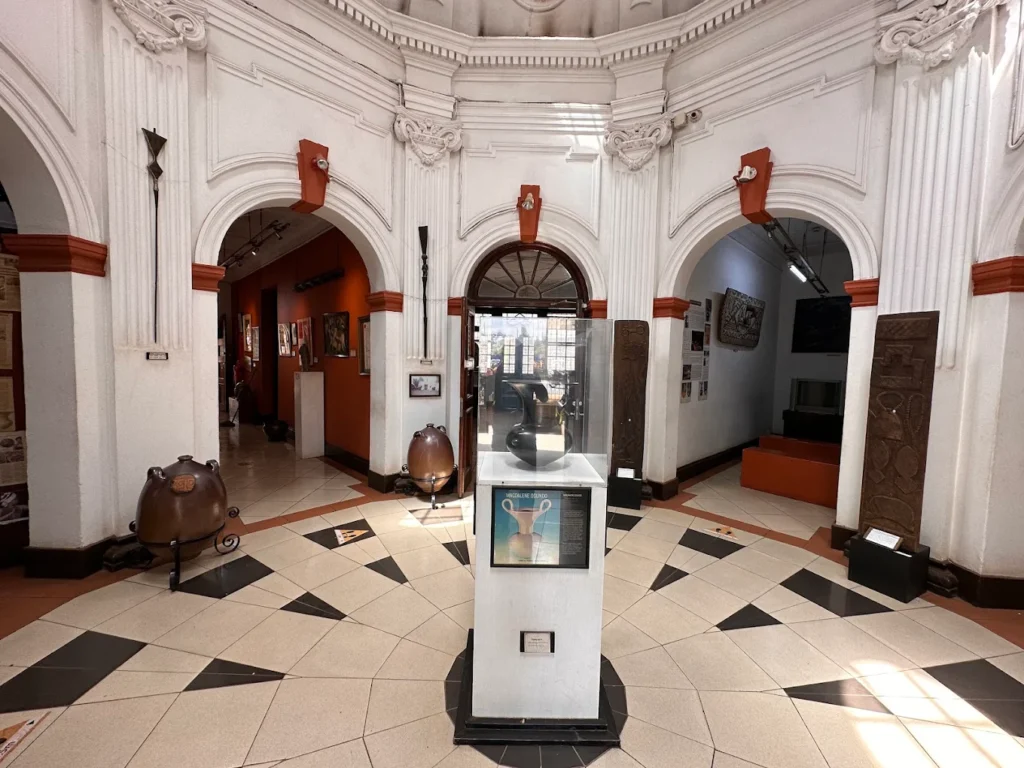
One of the most fascinating features of the Nairobi Gallery is its connection to Kenya’s Point Zero. Located at the center of the building’s domed hall, this spot marks the original reference point from which distances across Kenya were measured during the colonial era. The black mark on the floor symbolizes this geographical function, making the Nairobi Gallery not only a cultural institution but also a national landmark.
The location of the Nairobi Gallery at the heart of Nairobi’s original government district further reinforces its historical significance. The building forms part of the colonial master plan for government structures along what is now Kenyatta Avenue, linking it directly to the urban development of Nairobi.
Architectural Beauty of the Nairobi Gallery
The Nairobi Gallery is one of the finest examples of Victorian architecture in Kenya. Its exterior façade is decorated with classical elements such as columns, niches, friezes, and pediments made from natural stone. The original entrance leads visitors into an octagonal domed hall crowned with an elegant dome, creating a striking first impression.
From this central hall, rooms extend into two wings, forming a symmetrical layout typical of early 20th-century colonial architecture. Inside the Nairobi Gallery, visitors can still see original features such as smooth plastered walls, teak wood doors and windows, and patterned ceilings. These architectural details make the Nairobi Gallery not only a museum but also a masterpiece of historical design.
From Colonial Office to Cultural Institution
The transformation of the Nairobi Gallery from a colonial administrative building into a cultural institution reflects Kenya’s broader historical journey. After decades of political and administrative use, the building was repurposed to preserve and celebrate African heritage. In 2019, the National Museums of Kenya partnered with Google to digitize the Nairobi Gallery’s exhibitions through the Google Arts & Culture platform. This initiative made the gallery’s collections accessible to global audiences and introduced virtual tours of its interior spaces, expanding its reach beyond physical visitors. Today, the Nairobi Gallery stands as both a historical monument and a museum. Its walls tell stories of colonial administration, political change, and cultural renaissance, while its exhibitions celebrate Africa’s artistic identity.
The Murumbi African Heritage Collections at Nairobi Gallery
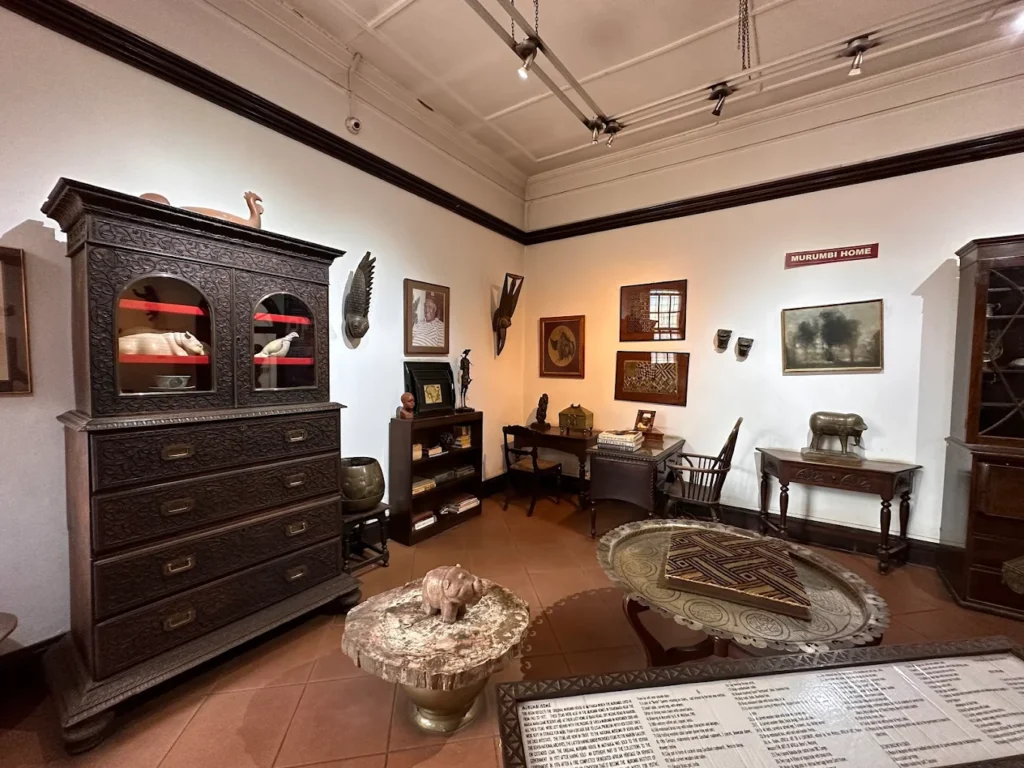
One of the most remarkable features of the Nairobi Gallery is the Murumbi African Heritage Collections. Joseph and Sheila Murumbi were among Africa’s greatest private collectors of cultural artifacts, artworks, books, textiles, jewelry, furniture, and postage stamps. Joseph Murumbi, Kenya’s second vice president, dedicated much of his life to preserving African heritage.
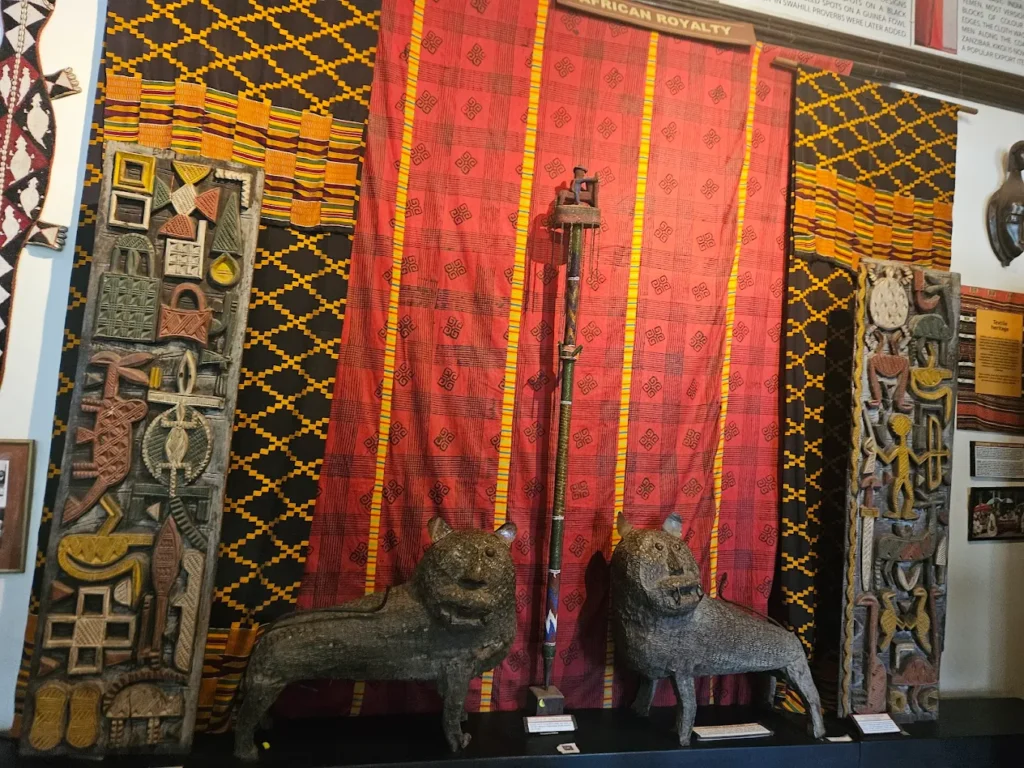
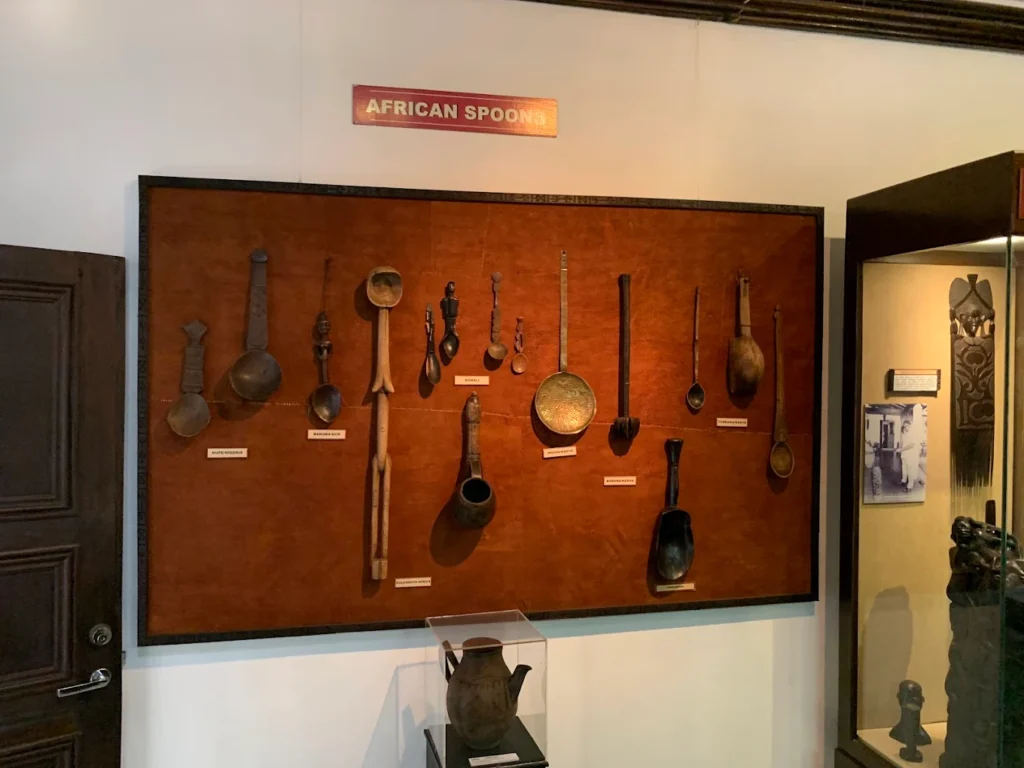
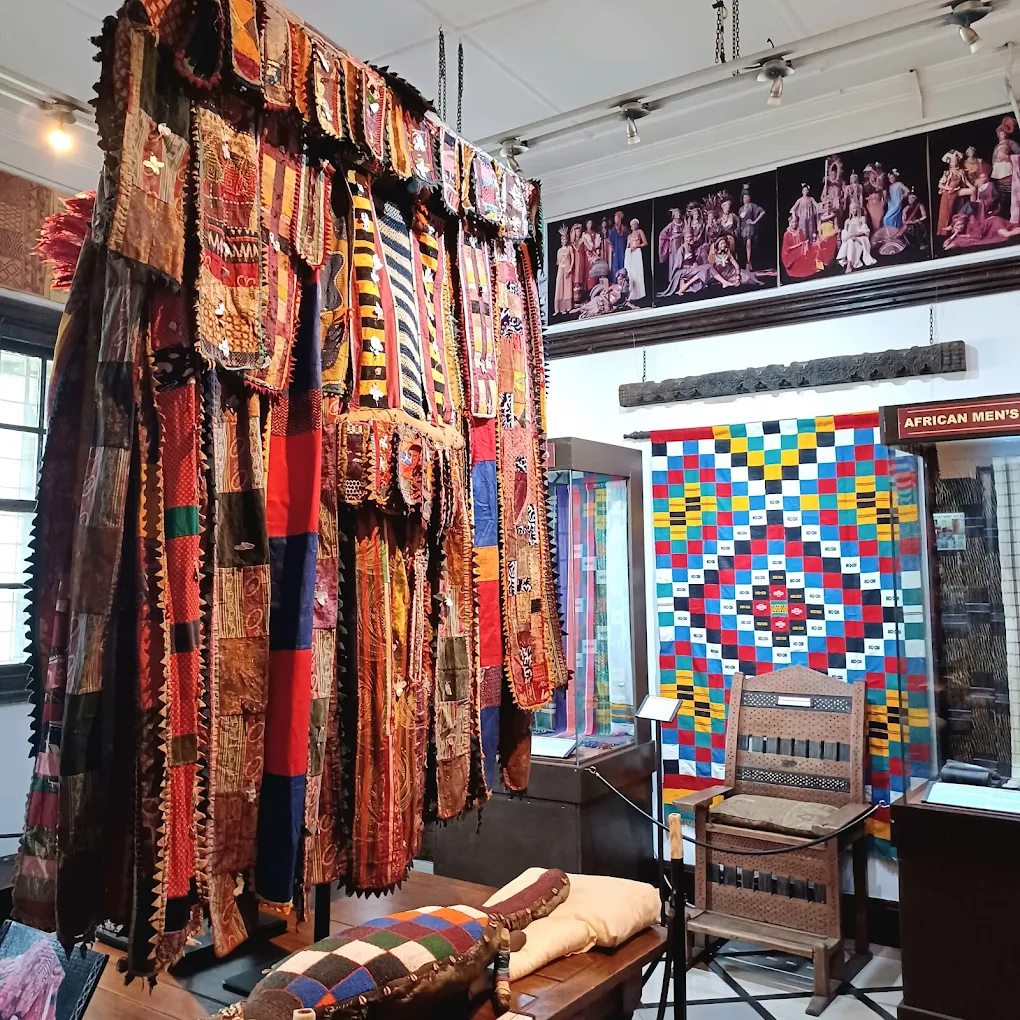
Their collections, now housed at the Nairobi Gallery, offer a panoramic view of African culture. Visitors can explore galleries dedicated to African artifacts, traditional costumes, jewelry, books, and the Murumbi home. A particularly notable highlight is the Pan-African postage stamp collection, considered one of the most significant collections of its kind in the world.
The Nairobi Gallery also displays African jewelry, including pieces from the Turkana community, as well as traditional stools, weapons, containers, Nubian baskets, and wood carvings. These objects provide insight into the daily lives, artistic traditions, and cultural values of diverse African communities.
African Art and Exhibitions at Nairobi Gallery
Beyond heritage collections, the Nairobi Gallery plays a vital role in promoting African art. The Pioneer Art Gallery within the building hosts temporary exhibitions by both established and emerging artists. Exhibitions are regularly organized to showcase contemporary African creativity and historical artistic traditions.
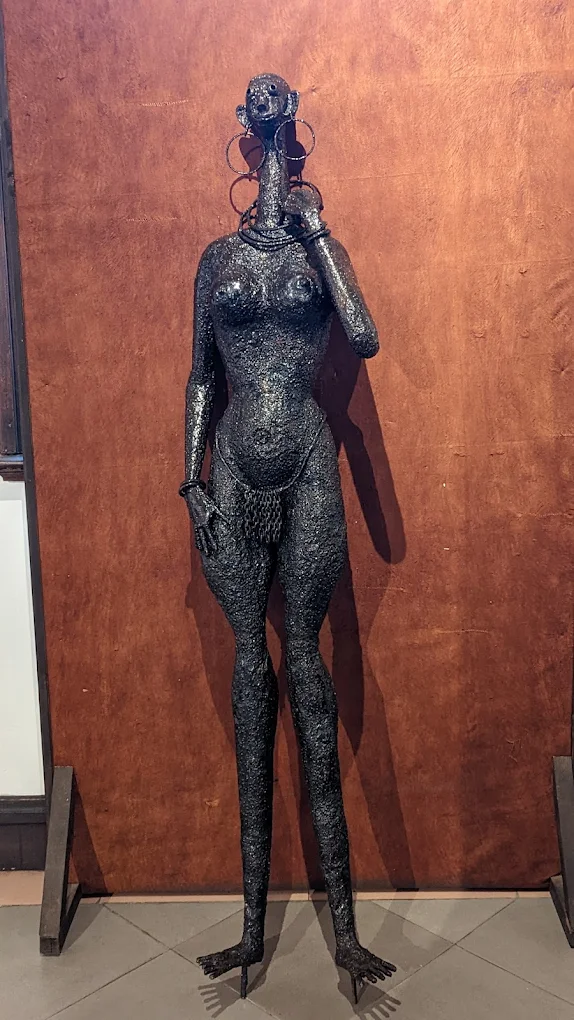
The Nairobi Gallery features sculptures and paintings by artists from across Africa, including Nigeria and East Africa. It has hosted exhibitions of Tinga Tinga paintings from Tanzania and showcased works by Tanzanian artists such as Robina Ntila and Muzu Suleiman. The gallery has also exhibited works by Kenyan artist Peterson Kamwathi and organized exhibitions featuring prominent East African women artists.
By bringing together artists from different regions of Africa, the Nairobi Gallery serves as a cultural bridge, fostering dialogue between traditional and contemporary art.
Educational and Community Programs
The Nairobi Gallery is not only a space for exhibitions but also a center for education and community engagement. The gallery organizes interactive programs for children, youth, schools, and the general public. Weekend and holiday activities introduce young learners to indigenous knowledge through interactions with elders, while youth art programs provide mentorship opportunities for emerging artists.
Guided tours led by trained guides help visitors understand the exhibitions in depth, and audio guides are available upon request. Schools benefit from themed educational programs aligned with the curriculum, allowing students to engage with historical objects through hands-on activities. Visitors can also explore the gallery’s gift shop, which offers art pieces, publications, and documentaries.
Why Nairobi Gallery Matters Today
The Nairobi Gallery occupies a unique position in Kenya’s cultural landscape. It is a historical monument because the building itself is protected as a national heritage site. At the same time, it is a museum and art gallery because it functions as a public institution dedicated to preserving and promoting African art and culture. For visitors, the Nairobi Gallery offers more than exhibitions—it offers a journey through Kenya’s history, architecture, and identity. For Nairobi residents, it serves as a reminder of the city’s evolution from a colonial outpost to a vibrant African metropolis. For artists and scholars, it is a space where African heritage is preserved, interpreted, and celebrated.
Nairobi Gallery as a Symbol of Kenya’s Heritage
The Nairobi Gallery stands as a powerful symbol of Kenya’s historical resilience and cultural richness. From its origins as a colonial administrative building to its present role as a center of African art and heritage, the Nairobi Gallery embodies the story of Nairobi itself. Whether you are a history enthusiast, an art lover, or a curious traveller, visiting the Nairobi Gallery offers a rare opportunity to experience Kenya’s past and present in one remarkable space. As both a historical monument and a museum, the Nairobi Gallery continues to inspire, educate, and connect generations through the language of art and heritage.
FAQs
1. What is Nairobi Gallery?
Nairobi Gallery is a historic building and art museum in Nairobi dedicated to African art and cultural heritage.
2. Where is Nairobi Gallery located?
Nairobi Gallery is located at the Kenyatta Avenue and Uhuru Highway roundabout next to Nyayo House in Nairobi.
3. Is Nairobi Gallery a museum or a historical monument?
Nairobi Gallery is both a museum and a historical monument. The building is protected as a national heritage site, while the institution functions as an art gallery and museum.
4. What is Point Zero in Nairobi Gallery?
Point Zero is the geographical reference point from which distances across Kenya were historically measured.
5. What can you see at Nairobi Gallery?
Visitors can see African art, Murumbi heritage collections, traditional artifacts, jewelry, textiles, sculptures, and temporary art exhibitions.
Nairobi Gallery Photos