
Kabarnet Museum
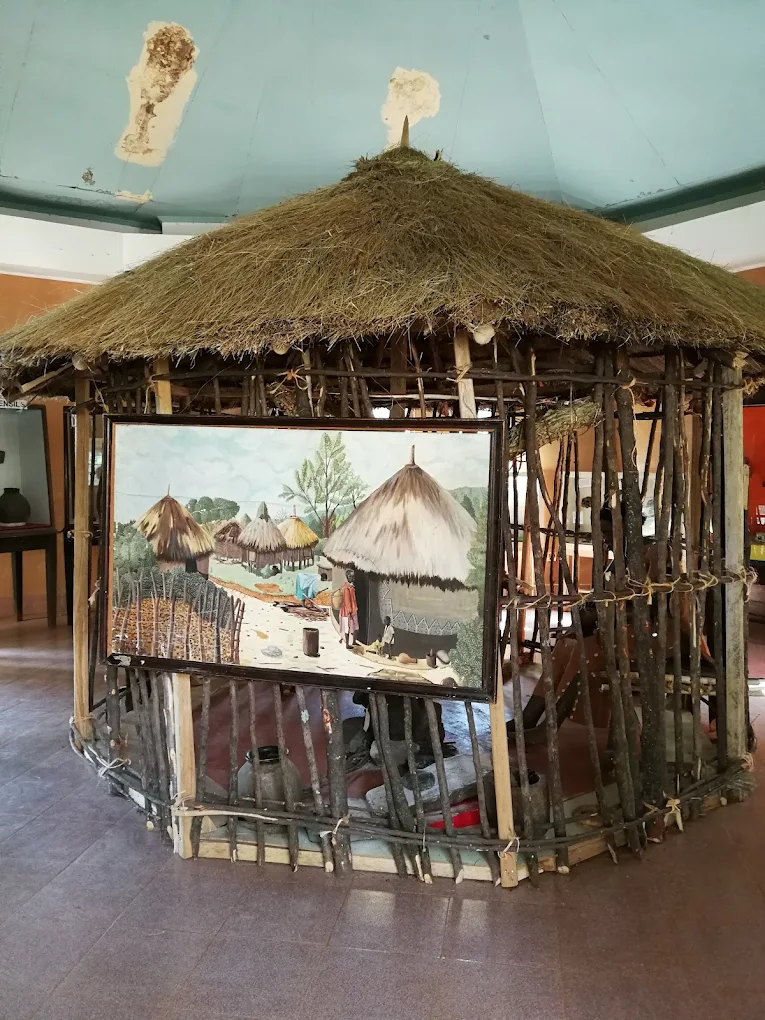
Kabarnet Museum is one of Kenya's most important regional museums and serves as the principal heritage institution for Baringo County and the wider Rift Valley region. Located in Kabarnet Town, approximately 265 kilometres northwest of Nairobi, the museum was established to preserve, document, and showcase the rich cultural heritage, environmental diversity, indigenous knowledge systems, and historical experiences of the Rift Valley communities.
Opened to the public in 1996 by the National Museums of Kenya, the museum occupies the former District Commissioner's residence, a historic building that today serves as a center for education, research, conservation, and cultural preservation.
The museum is particularly known for its exhibitions on the Tugen, Ilchamus, Pokot, Keiyo, Marakwet, Samburu, Nandi, and Kipsigis communities. Through cultural collections, environmental displays, and educational programmes, visitors gain a deeper understanding of the traditions and lifestyles that have shaped the Rift Valley region.
Beyond its galleries, Kabarnet Museum offers visitors traditional homesteads, indigenous trees, reptile exhibits, educational facilities, and attractive outdoor spaces that make it one of the most family-friendly museums in Kenya.
History of Kabarnet Museum
Kabarnet Museum was officially opened to the public in 1996 as part of the National Museums of Kenya's efforts to preserve and promote the heritage of the Rift Valley region. The museum was established to document the people, culture, environment, indigenous knowledge, and scientific heritage of communities living within Baringo County and neighboring areas.
Since its establishment, the museum has grown into an important center for heritage conservation, research, education, and public engagement. Through its exhibitions and outreach programmes, it continues to preserve valuable cultural and natural resources while making them accessible to visitors and researchers.
Rift Valley Cultural Heritage
One of the defining characteristics of Kabarnet Museum is its commitment to preserving and interpreting the cultural heritage of the Rift Valley region. The Rift Valley is home to numerous communities whose histories, traditions, languages, and ways of life have evolved over centuries in response to changing environmental, social, and economic conditions. Through carefully curated exhibitions, the museum provides visitors with an opportunity to explore the diversity that makes the region one of Kenya's most culturally rich areas.
The museum's galleries showcase traditional artifacts, household objects, ceremonial items, agricultural tools, livestock-related equipment, ornaments, clothing, and cultural symbols used by various communities across the Rift Valley. These collections help visitors understand how people adapted to their environment, organized their societies, and preserved their cultural identity from one generation to the next.
By bringing together materials from different communities within a single institution, Kabarnet Museum encourages appreciation of cultural diversity while highlighting shared values and experiences. The exhibits demonstrate how heritage contributes to community identity and why cultural preservation remains important in the modern world.
For students, researchers, and visitors interested in anthropology and history, the cultural galleries provide a valuable introduction to the traditions that continue to influence life in Kenya's Rift Valley today.
Tugen Community Exhibits
Among the most important cultural displays at Kabarnet Museum are those dedicated to the Tugen community. The Tugen are one of the Kalenjin-speaking groups that have lived in Baringo County and surrounding areas for generations. Their history is closely linked to the landscapes of the Tugen Hills and the broader Rift Valley ecosystem.
The museum's exhibits explore various aspects of traditional Tugen life, including agriculture, livestock keeping, social organization, traditional governance systems, ceremonies, and cultural practices. Visitors can learn about the role of elders, family structures, rites of passage, and the importance of livestock within Tugen society.
Artifacts displayed in the galleries include household implements, farming tools, traditional ornaments, and objects associated with everyday life. These items provide insight into how communities utilized local resources and developed practical solutions suited to their environment.
The exhibits also emphasize the resilience of the Tugen people and their contribution to the cultural heritage of Baringo County and Kenya as a whole.
Ilchamus Community Heritage
The Ilchamus community occupies a unique place within the cultural landscape of Baringo County. Living primarily around Lake Baringo, the Ilchamus have developed a distinctive way of life that combines livestock keeping, fishing, and agriculture. Their close relationship with the lake has shaped many aspects of their culture and identity.
Kabarnet Museum's exhibits highlight traditional Ilchamus practices, including fishing methods, water-resource management, livestock husbandry, and cultural ceremonies. Through photographs, artifacts, and interpretive displays, visitors gain a deeper understanding of how the community adapted to life around one of Kenya's most important freshwater lakes.
The exhibits also explore the role of oral traditions, music, storytelling, and social customs within Ilchamus society. These cultural expressions continue to play an important role in preserving community knowledge and identity.
By documenting and presenting Ilchamus heritage, the museum helps ensure that future generations can appreciate and learn from this unique cultural tradition.
Pokot Community Exhibits
The Pokot community is another major focus of Kabarnet Museum's ethnographic collections. The Pokot are known for their rich pastoral traditions, strong cultural identity, and extensive knowledge of livestock management in semi-arid environments. Their heritage forms an important part of the cultural history of Kenya's North Rift region.
Museum exhibits introduce visitors to traditional Pokot lifestyles, including settlement patterns, livestock keeping practices, social organization, and ceremonial traditions. Objects on display include ornaments, household tools, weapons, clothing, and cultural artifacts used in daily life and special occasions.
Particular attention is given to indigenous knowledge systems that enabled the Pokot to thrive in challenging environmental conditions. These include techniques related to animal husbandry, water management, medicinal plants, and environmental adaptation.
The exhibits demonstrate how traditional knowledge continues to offer valuable lessons about sustainability, resilience, and community life.
Keiyo and Marakwet Cultural Heritage
The Keiyo and Marakwet communities have a long history within the highland regions bordering the Kerio Valley. Their cultures are deeply connected to the dramatic landscapes of escarpments, valleys, rivers, and agricultural terraces that characterize the region.
At Kabarnet Museum, visitors can explore exhibits that illustrate traditional farming practices, social structures, cultural ceremonies, and the relationship between communities and their environment. Artifacts associated with agriculture, food preparation, domestic life, and traditional leadership help tell the story of these communities.
The museum also highlights the role of oral history and community traditions in preserving knowledge and transmitting cultural values across generations.
These exhibitions contribute to a broader understanding of the diversity and complexity of the Rift Valley's cultural heritage.
Samburu Community Exhibits
The Samburu people are widely recognized for their vibrant cultural traditions, distinctive dress, and pastoral lifestyle. Closely related to the Maasai, the Samburu have maintained many traditional customs while adapting to changing social and economic conditions.
Kabarnet Museum's Samburu exhibits feature traditional ornaments, beadwork, clothing, livestock-related artifacts, and cultural objects associated with ceremonies and community life. These displays provide insight into the values, beliefs, and social structures that have shaped Samburu society.
Visitors also learn about the importance of livestock within Samburu culture and the role of traditional knowledge in managing natural resources across semi-arid environments.
Through these exhibits, the museum helps preserve and celebrate one of Kenya's most distinctive cultural traditions.
Nandi and Kipsigis Heritage Collections
The museum also showcases the heritage of the Nandi and Kipsigis communities, both of which form part of the wider Kalenjin cultural group. These communities have made significant contributions to Kenya's history, agriculture, education, and sporting achievements.
Exhibitions explore traditional governance systems, agricultural practices, cultural ceremonies, and community values that have shaped Nandi and Kipsigis society over time. Visitors can view artifacts associated with daily life, farming, livestock keeping, and traditional leadership.
The displays also emphasize the importance of cultural continuity and the role of museums in safeguarding heritage for future generations.
Together, the exhibits dedicated to the Tugen, Ilchamus, Pokot, Keiyo, Marakwet, Samburu, Nandi, and Kipsigis communities make Kabarnet Museum one of the most comprehensive cultural heritage institutions in Kenya's Rift Valley region.
Natural History Collections at Kabarnet Museum
In addition to its cultural exhibitions, Kabarnet Museum is an important center for the preservation and interpretation of natural history. The museum recognizes that the story of the Rift Valley cannot be fully understood without examining the landscapes, wildlife, plant life, geological formations, and environmental systems that have shaped human settlement and cultural development throughout the region.
The natural history collections help visitors understand the close relationship between people and nature in Baringo County and the wider Rift Valley. Through exhibits focusing on biodiversity, ecosystems, environmental conservation, and indigenous ecological knowledge, the museum encourages greater appreciation of Kenya's natural heritage.
These collections are particularly valuable for students and researchers studying environmental science, ecology, conservation, geography, and wildlife management. The exhibits also provide educational opportunities for families and tourists interested in learning more about the natural world.
By combining cultural and natural history within a single institution, Kabarnet Museum offers a holistic understanding of the factors that have shaped life in the Rift Valley over thousands of years.
Live Reptile Exhibits
One of the most popular attractions at Kabarnet Museum is its collection of live reptile exhibits. These displays provide visitors with an opportunity to observe some of Kenya's most fascinating reptile species while learning about their biology, behavior, ecological importance, and conservation status.
The reptile collection includes Nile crocodiles, tortoises, and various snake species. These animals serve as important educational tools, helping visitors better understand the diversity of reptiles found within Kenya and the role they play in maintaining healthy ecosystems.
For many visitors, especially school groups and children, the reptile exhibits are among the most memorable parts of the museum experience. Educational information accompanying the displays explains how reptiles adapt to different environments and addresses common misconceptions about these often misunderstood animals.
The exhibits also promote awareness of conservation issues affecting reptiles and encourage responsible attitudes toward wildlife and habitat protection.
The Nile Crocodile Exhibit
The Nile crocodile is one of Africa's most iconic reptiles and an important component of many freshwater ecosystems. At Kabarnet Museum, visitors can observe these remarkable animals while learning about their ecological role and evolutionary history.
Educational materials explain how crocodiles contribute to ecosystem health by helping regulate populations of other animals and maintaining ecological balance within rivers, lakes, and wetlands. Visitors also learn about crocodile behavior, reproduction, feeding habits, and habitat requirements.
The exhibit provides an opportunity to appreciate the remarkable adaptations that have allowed crocodiles to survive for millions of years. Their presence within the museum reinforces the importance of conserving Kenya's freshwater ecosystems and the species that depend on them.
For many visitors, the Nile crocodile exhibit serves as an engaging introduction to wildlife conservation and environmental stewardship.
Environmental Conservation and Sustainability
Environmental conservation forms an important part of Kabarnet Museum's mission. The museum seeks to promote understanding of the natural systems that support life in the Rift Valley while encouraging sustainable management of natural resources.
Exhibits explore issues such as habitat conservation, biodiversity protection, climate variability, water resources, and the relationship between human activities and environmental change. These themes are particularly relevant in a region where communities depend heavily on natural resources for their livelihoods.
Visitors are encouraged to consider how traditional knowledge and modern scientific approaches can work together to support conservation efforts. The museum highlights examples of sustainable environmental practices that have been developed by local communities over generations.
Through education and awareness programmes, Kabarnet Museum contributes to broader efforts aimed at protecting Kenya's natural heritage for future generations.
Indigenous Knowledge and Science
One of the museum's most distinctive areas of focus is indigenous knowledge and science. For centuries, communities across the Rift Valley developed sophisticated systems of knowledge relating to agriculture, livestock management, medicine, weather forecasting, environmental conservation, and resource management.
Kabarnet Museum works to document, preserve, and share this knowledge through exhibitions and educational programmes. Visitors learn how traditional communities used observation, experience, and experimentation to solve practical challenges and adapt to changing environmental conditions.
The museum emphasizes that indigenous knowledge represents a valuable form of scientific understanding that continues to offer insights relevant to contemporary development and conservation challenges.
By recognizing and preserving these knowledge systems, the museum contributes to cultural continuity and promotes respect for local expertise and innovation.
Research and Documentation
Research is one of the core functions of Kabarnet Museum. The institution undertakes studies relating to cultural heritage, natural history, biodiversity, conservation, and community knowledge systems. These research activities help expand understanding of the region while supporting evidence-based conservation and education initiatives.
The museum collaborates with universities, research organizations, government agencies, and local communities to document heritage resources and generate new knowledge. Research findings are often incorporated into exhibitions, publications, educational materials, and public programmes.
Documentation activities also play a critical role in preserving information about cultural traditions, historical events, ecological systems, and archaeological resources that might otherwise be lost.
Through its research mission, Kabarnet Museum contributes to both academic scholarship and public understanding.
Education Hall and Learning Programmes
The Education Hall is an important component of Kabarnet Museum's visitor experience. Designed as a learning space for schools, community groups, and individual visitors, the hall provides educational resources that complement the museum's exhibitions.
Visitors can watch educational films, participate in presentations, and engage with multimedia content covering topics such as culture, wildlife, conservation, history, and environmental awareness. These activities help make learning more interactive and accessible.
The Education Hall is particularly valuable for school groups, providing opportunities for students to connect classroom learning with real-world examples and museum collections. Teachers frequently use the museum as an extension of the classroom, helping students develop a deeper understanding of heritage and conservation.
Through these educational initiatives, Kabarnet Museum continues to fulfill its role as a center for public learning and community engagement.
Children's Playground and Family Experiences
Kabarnet Museum is one of the few museums in Kenya that combines heritage education with family-friendly recreational facilities. The museum includes a children's playground equipped with swings and slides where younger visitors can enjoy outdoor activities while learning about culture and nature.
These facilities make the museum an attractive destination for families and encourage children to develop an interest in heritage and conservation from an early age. By combining recreation with education, the museum creates an environment that is welcoming to visitors of all ages.
The playground also provides opportunities for children to develop social and physical skills while enjoying the museum's outdoor spaces.
This emphasis on family engagement reflects the museum's broader commitment to making heritage accessible and enjoyable for diverse audiences.
Indigenous Trees and Birdlife
The grounds surrounding Kabarnet Museum contain numerous indigenous tree species, some of which are estimated to be more than one hundred years old. These trees contribute significantly to the ecological and aesthetic value of the museum and provide important habitat for birds and other wildlife.
Visitors can enjoy peaceful walks through the museum grounds while observing local bird species and learning about the ecological importance of indigenous vegetation. The trees also provide shade, enhance biodiversity, and contribute to environmental conservation efforts.
The presence of mature indigenous trees reinforces the museum's role as both a cultural and environmental heritage institution. They serve as living reminders of the region's natural history and the importance of protecting native ecosystems.
Together with the cultural galleries and natural history exhibits, the museum grounds create a unique visitor experience that combines learning, conservation, and recreation.
Tourist Attractions Near Kabarnet Museum
One of the advantages of visiting Kabarnet Museum is its location within one of Kenya's most scenic and culturally rich regions. Baringo County offers visitors a unique combination of wildlife, archaeology, landscapes, birdwatching opportunities, cultural heritage, and outdoor adventure. Many travellers use Kabarnet Museum as a starting point for exploring some of the Rift Valley's most remarkable attractions.
From freshwater lakes and dramatic escarpments to fossil sites and indigenous forests, the surrounding region provides numerous opportunities for nature lovers, researchers, photographers, and cultural tourists. These destinations complement the museum experience by helping visitors understand the environmental and historical context of the collections displayed within the museum.
Tugen Hills
The Tugen Hills are among the most significant natural landmarks in Baringo County and form an important part of the Rift Valley landscape. Rising to elevations exceeding 2,300 metres above sea level, the hills are covered with indigenous forests and serve as a major water catchment area feeding Lake Baringo, Lake Bogoria, and the Kerio Valley ecosystem.
The hills are renowned for their scenic beauty, rich biodiversity, and scientific importance. They contain numerous archaeological and paleontological sites that have contributed significantly to our understanding of human evolution and environmental history.
One of the most notable sites within the Tugen Hills is the Kipsaraman Fossil Site. This important paleontological locality has yielded valuable fossil discoveries that help researchers reconstruct the ancient environments and species that once inhabited the region.
For visitors interested in nature, hiking, photography, and scientific heritage, the Tugen Hills provide an exceptional outdoor experience within easy reach of Kabarnet Museum.
Lake Bogoria National Reserve
Lake Bogoria National Reserve is one of Kenya's most spectacular natural attractions and is recognized internationally for its ecological significance. The reserve is part of the Kenya Lake System UNESCO World Heritage Site and is designated as an Important Bird Area due to its importance for bird conservation.
The lake is famous for its dramatic hot springs and geysers, which create one of the most unique geothermal landscapes in Africa. Visitors can observe steaming vents, bubbling springs, and mineral-rich waters that reflect the geological activity underlying the Great Rift Valley.
The reserve is also home to a wide variety of wildlife, including greater kudu, buffalo, zebra, leopard, cheetah, warthog, baboon, spotted hyena, impala, and numerous bird species. The presence of both wildlife and geothermal features makes Lake Bogoria a major attraction for nature enthusiasts.
Its proximity to Kabarnet Museum allows visitors to combine cultural heritage exploration with exceptional wildlife and geological experiences.
Lake Baringo
Lake Baringo is one of Kenya's most important freshwater lakes and one of the country's premier birdwatching destinations. Located within the northern Rift Valley, the lake covers approximately 108 square kilometres and supports an extraordinary diversity of wildlife and aquatic ecosystems.
Often described as an ornithologist's paradise, Lake Baringo has recorded more than 470 bird species, making it one of the most significant birding destinations in East Africa. Visitors frequently observe fish eagles, kingfishers, hornbills, herons, cormorants, and many migratory species.
The lake also supports crocodiles, hippos, freshwater fish, reptiles, invertebrates, and numerous mammal species. Boat excursions provide opportunities to explore the lake's islands and observe wildlife from close range.
For visitors to Kabarnet Museum, Lake Baringo offers an ideal opportunity to experience the natural environments that have influenced local communities for centuries.
Kerio Valley
Kerio Valley is one of Kenya's most breathtaking landscapes and a major attraction for visitors exploring the North Rift region. Stretching between the Tugen Hills and the Elgeyo Escarpment, the valley provides spectacular views, dramatic geological formations, and diverse ecosystems.
Among the valley's most famous attractions is Cheploch Gorge, a deep natural gorge located near the border of Baringo and Elgeyo-Marakwet counties. The gorge reaches depths of approximately seventy metres and is known for its dramatic scenery and Nile crocodile population.
Another remarkable attraction is Torok Waterfall, which plunges approximately 200 metres through a rugged landscape accessible via guided walking trails. Visitors can also enjoy scenic hikes through tropical vegetation while learning about local culture and biodiversity.
The valley's combination of natural beauty, wildlife, and cultural experiences makes it one of the most rewarding destinations for travellers visiting Baringo County.
Kabarnet Museum Opening Hours
Opening Days:
Monday – Sunday
Opening Hours:
8:00 AM – 6:00 PM
Public Holidays:
Open during public holidays unless otherwise communicated by the National Museums of Kenya.
Kabarnet Museum Entry Fees
Entry fees for Kabarnet Museum are determined by the National Museums of Kenya and may be updated periodically. Admission charges support heritage conservation, research, educational programmes, exhibition development, and visitor services.
Buy Kabarnet Museum Tickets Online
Visitors can conveniently purchase tickets online before arrival through the official National Museums of Kenya eCitizen ticketing platform.
Buy Kabarnet Museum Tickets Online
Kabarnet Museum Contact Information
The Curator
Kabarnet Museum
P.O. Box 419
Kabarnet, Kenya
Telephone:
+254 722 868 772
Email:
[email protected]
Frequently Asked Questions About Kabarnet Museum
What is Kabarnet Museum?
Kabarnet Museum is a regional museum managed by the National Museums of Kenya that preserves the cultural heritage, natural history, indigenous knowledge, and history of Rift Valley communities.
Where is Kabarnet Museum located?
Kabarnet Museum is located in Kabarnet Town, Baringo County, opposite Visa Oshwal Primary School and approximately 265 kilometres northwest of Nairobi.
When was Kabarnet Museum opened?
Kabarnet Museum officially opened to the public in 1996 and is housed within the former District Commissioner's residence.
What communities are represented at Kabarnet Museum?
The museum features exhibits on the Tugen, Ilchamus, Pokot, Keiyo, Marakwet, Samburu, Nandi, and Kipsigis communities of the Rift Valley.
What can visitors see at Kabarnet Museum?
Visitors can explore cultural galleries, traditional homesteads, live reptile exhibits, indigenous trees, educational facilities, and natural history collections.
Can I buy Kabarnet Museum tickets online?
Yes. Visitors can purchase tickets through the official National Museums of Kenya eCitizen ticketing platform before visiting the museum.
See Also
- Explore Kapenguria Museum and discover the story of the Kapenguria Six and Kenya's struggle for independence.
- Visit Gede Ruins and uncover the mysteries of one of East Africa's most important medieval Swahili settlements.
- Learn about the origins of Christianity and modern education in Kenya at Rabai Museum.
Follow National Museums of Kenya
Stay connected with the National Museums of Kenya for updates on exhibitions, conservation projects, cultural festivals, educational programmes, research initiatives, and heritage events across Kenya.
Follow National Museums of Kenya on social media to discover exhibitions, museum events, conservation stories, and opportunities to explore Kenya's cultural and natural heritage.