Karen Blixen Museum Kenya | Explore the Home Behind Out of Africa
Set within the tranquil suburb of Karen in Nairobi, the Karen Blixen Museum is one of Kenya’s most celebrated heritage attractions. Surrounded by beautifully maintained gardens, indigenous forest, and spectacular views of the Ngong Hills, the museum offers visitors a rare opportunity to step into the world of one of the most influential literary figures associated with East Africa.
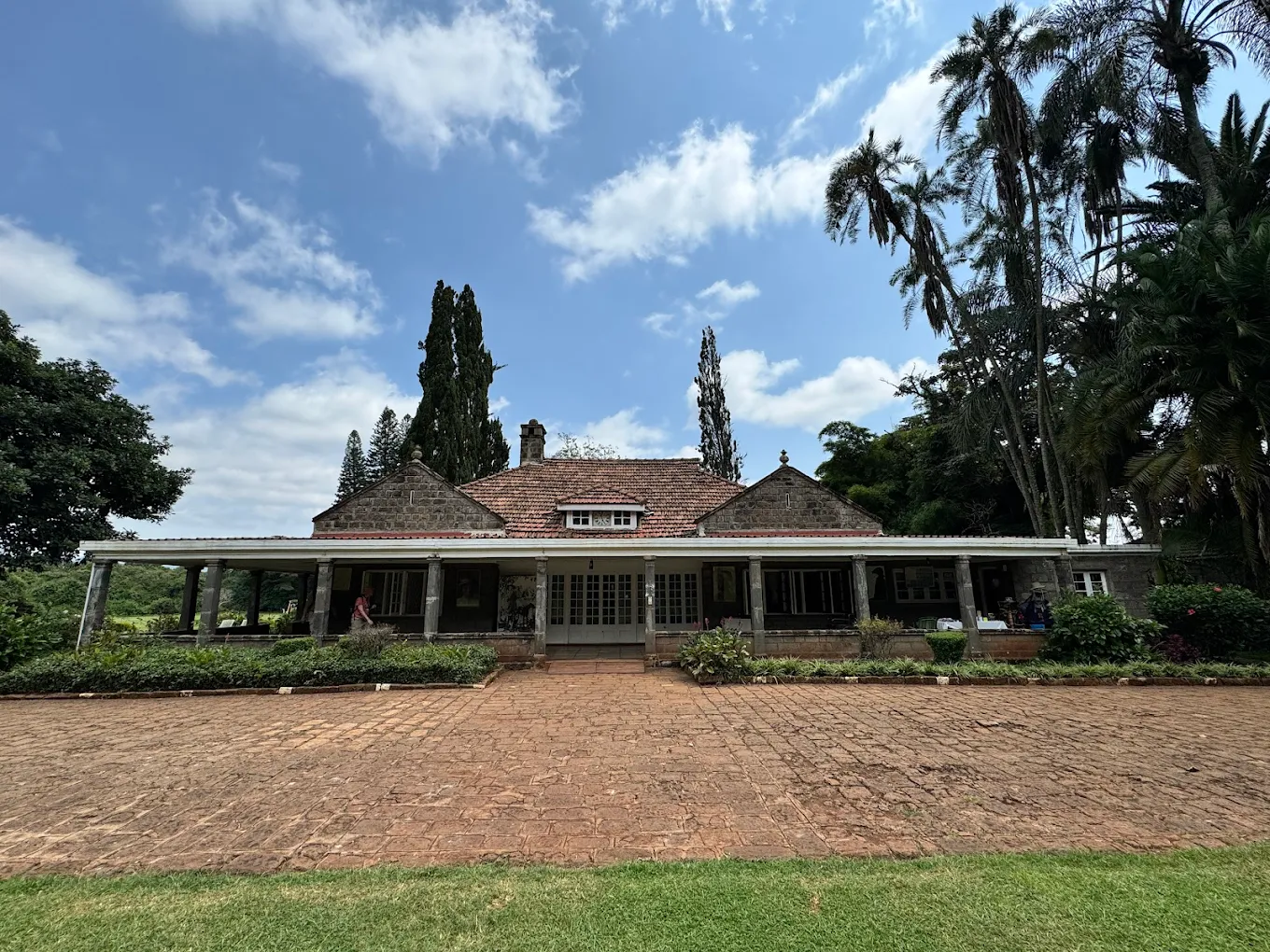
The museum occupies the historic farmhouse where Danish author Karen Blixen lived during her years in Kenya. Today, it preserves not only the story of her life but also an important chapter in Kenya’s social, agricultural, and colonial history. Visitors from around the world come to explore the house, learn about the famous memoir Out of Africa, and experience the serene environment that inspired many of Karen’s writings.
Managed by the National Museums of Kenya, the Karen Blixen Museum combines history, literature, architecture, nature, and culture in one destination. Whether you are a history enthusiast, a lover of literature, a student, or simply looking for a peaceful place to explore, the museum provides a memorable experience that continues to attract local and international visitors alike.
Location of Karen Blixen Museum
The museum is located in Karen, one of Nairobi’s most picturesque suburbs, approximately ten kilometres southwest of the city centre. Named after Karen Blixen herself, the suburb has grown into one of Nairobi’s most recognizable residential and tourism destinations.
The museum’s location at the foot of the Ngong Hills contributes significantly to its charm. Visitors are treated to magnificent views of the rolling hills that Karen frequently referenced in her writings. The journey to the museum is straightforward, and the site is easily accessible by both private and public transport.
Its proximity to other attractions in the Karen area makes it a popular stop for visitors exploring Nairobi’s cultural and natural heritage. Many travellers combine a visit to the museum with other nearby destinations, creating a full day of discovery and learning.
History of Karen Blixen Museum
The story of the Karen Blixen Museum begins long before it became a museum. The house was originally constructed in 1912 by Swedish engineer Åke Sjögren. At the time, the area was part of a developing agricultural landscape on the outskirts of colonial Nairobi.
In 1917, Karen Blixen and her husband, Baron Bror von Blixen-Finecke, purchased the property and established a large farming enterprise. Their estate covered approximately 6,000 acres, with around 600 acres dedicated to coffee cultivation. The farmhouse became the centre of their operations and the focal point of daily life on the estate.
Although the couple initially arrived in Kenya with plans for dairy farming, the venture shifted toward coffee production. Unfortunately, the farm faced numerous challenges including fluctuating coffee prices, difficult weather conditions, and operational setbacks. These difficulties placed significant financial pressure on the enterprise.
Karen’s marriage eventually came to an end, and she assumed responsibility for managing the farm. At a time when women rarely held such positions of authority, she demonstrated remarkable determination and resilience. Her experiences during this period would later form the foundation of her most famous literary work.
Karen remained at the farmhouse until 1931 when economic difficulties and personal tragedies forced her to return to Denmark. The property subsequently changed ownership several times before eventually being acquired by the Danish government in 1964 and presented to the Government of Kenya as a gift commemorating Kenya’s independence.
The building later served educational purposes before renewed global interest in Karen Blixen's story emerged during the production of the film Out of Africa in the 1980s. Recognizing the site's historical significance, the National Museums of Kenya acquired the house and transformed it into a museum. The Karen Blixen Museum officially opened to the public in 1986 and has since become one of Kenya’s most visited heritage attractions.
Who Was Karen Blixen?
Karen Blixen was born on 17 April 1885 at Rungstedlund in Denmark. She was the second child in a family of five and grew up in an environment that encouraged creativity, storytelling, and intellectual curiosity. Long before becoming internationally recognized as a writer, Karen developed a deep interest in art, literature, and travel.
In 1914, she travelled to British East Africa, present-day Kenya, to marry her Swedish cousin, Baron Bror von Blixen-Finecke. The move marked the beginning of one of the most significant chapters of her life. Although she arrived with expectations of building a future in Africa through farming, the years that followed brought both remarkable experiences and profound challenges.
Karen's life in Kenya exposed her to diverse cultures, breathtaking landscapes, and the realities of managing a large agricultural enterprise in a changing colonial environment. These experiences shaped her worldview and later became central themes in her writing.
Following her return to Denmark in 1931, Karen turned seriously to writing as a profession. Publishing under the pen name Isak Dinesen, she achieved international acclaim through works such as Seven Gothic Tales, Out of Africa, and Babette’s Feast. Her literary contributions earned global recognition and established her as one of the twentieth century’s most respected authors.
Karen Blixen passed away in 1962 at the age of seventy-seven, but her connection to Kenya continues to inspire readers, historians, and travellers from around the world.
The Coffee Farm and Colonial-Era Estate
The Karen Blixen Museum offers visitors insight into the realities of life on a colonial-era coffee estate. When Karen and her husband acquired the property, they envisioned building a successful agricultural enterprise at the foot of the Ngong Hills.
The estate covered thousands of acres and employed numerous workers who contributed to the cultivation, harvesting, and processing of coffee. While coffee farming offered economic opportunities, it was also highly vulnerable to market fluctuations, environmental conditions, and operational challenges.
Visitors to the museum can learn about the agricultural practices of the period and gain an understanding of how large farms operated during the early decades of the twentieth century. Exhibits explain the relationship between farming, trade, transportation, and the broader economic development of colonial Kenya.
The story of the farm is not simply one of agriculture. It also reflects the social and historical complexities of the era, making it an important site for understanding Kenya’s colonial past and its lasting impact on society.
The Story Behind Out of Africa
Few books have shaped international perceptions of Kenya as profoundly as Out of Africa. Published in 1937, the memoir recounts Karen Blixen’s experiences during her years in Kenya and captures her observations of the people, landscapes, wildlife, and events that influenced her life.
The book became one of the most widely read works associated with East Africa and introduced generations of readers to the beauty of Kenya’s countryside. Through vivid descriptions and personal reflections, Karen documented a world that was undergoing significant social and economic transformation.
Interest in the memoir increased dramatically in 1985 with the release of the Oscar-winning film adaptation, Out of Africa. Starring Meryl Streep as Karen Blixen and Robert Redford as Denis Finch Hatton, the film achieved international success and brought renewed attention to the author’s life and former home.
The popularity of the film contributed significantly to the preservation of the farmhouse as a heritage site. Many visitors who arrive at the museum do so because of their connection to the book or film and are eager to see the location where much of the story unfolded.
Today, the museum serves as an important destination for literary tourism, attracting readers, film enthusiasts, historians, and travellers seeking a deeper understanding of the world portrayed in Out of Africa.
Museum Collections and Exhibits
The Karen Blixen Museum houses a remarkable collection of objects, furnishings, photographs, and historical materials that help tell the story of Karen’s life and the period in which she lived.
Visitors entering the house immediately encounter rooms carefully arranged to reflect their historical appearance. The architecture, interior design, and furnishings create an atmosphere that transports guests back to the early twentieth century.
Many of the displayed items are closely associated with Karen Blixen herself. These include furniture, household objects, photographs, personal effects, and other materials connected to her years in Kenya.
The exhibition provides insight into both her personal life and the daily realities of managing a large farm. Through these displays, visitors gain a more complete understanding of the challenges and achievements that defined her time in Africa.
Original Furniture and Historic Interiors
One of the most significant aspects of the museum is the preservation of furniture associated with Karen Blixen’s residence. Several pieces that were dispersed following her departure from Kenya were later recovered and returned to the house.
These furnishings contribute to the authenticity of the museum experience and help visitors visualize how the house functioned during Karen’s residence. Walking through the rooms allows guests to appreciate the architectural character of the building while also gaining insight into the lifestyle of the period.
The house itself remains one of the most important artifacts within the museum collection. Every room tells a story, offering glimpses into daily life, social interactions, and the broader historical context of colonial-era Kenya.
Farm Equipment and Outdoor Exhibits
The grounds surrounding the museum feature several outdoor exhibits connected to the farm’s agricultural history. These displays include original farming equipment, wagons, ploughs, and machinery associated with coffee production.
Among the most fascinating artifacts are pieces of equipment used in coffee processing. These exhibits illustrate the scale and complexity of agricultural operations during Karen Blixen’s time and provide valuable context for understanding the economic foundations of the estate.
The outdoor displays complement the indoor exhibitions by helping visitors appreciate the practical realities of managing a large agricultural enterprise. They also demonstrate how farming technology evolved over time and contributed to Kenya’s agricultural development.
The Historical Significance of the House
Beyond its association with Karen Blixen, the house holds considerable historical value as an example of early twentieth-century architecture in Kenya. Its design reflects the building styles and construction methods commonly used during the colonial period while adapting to local environmental conditions.
The property also serves as a physical reminder of important social, cultural, and economic transformations that occurred during Kenya’s development. Through its preservation, visitors can engage directly with a tangible piece of the nation’s heritage.
The museum's continued success demonstrates the importance of protecting historic buildings and interpreting them in ways that remain relevant to contemporary audiences. By preserving the house and its collections, the National Museums of Kenya ensures that future generations can continue to learn from and appreciate this important site.
Gardens and the Famous Ngong Hills View
One of the most memorable aspects of visiting the Karen Blixen Museum is the breathtaking setting in which it stands. The museum is surrounded by beautifully maintained gardens, mature trees, open lawns, and a tranquil environment that appears almost unchanged from the era in which Karen Blixen lived here.
The property enjoys magnificent views of the Ngong Hills, a landscape that featured prominently in Karen Blixen’s writings and remains closely associated with her legacy. The opening line of Out of Africa, “I had a farm in Africa at the foot of the Ngong Hills,” has become one of the most recognized literary references connected to Kenya.
Standing within the museum grounds, visitors can appreciate the same scenery that inspired Karen’s reflections on life in Africa. The panoramic views create an atmosphere of calm and contemplation, making the museum not only a historical site but also a place for personal reflection and appreciation of nature.
The gardens themselves form an important part of the visitor experience. Carefully maintained lawns and indigenous vegetation contribute to the property's charm while preserving the historic character of the estate. Many visitors choose to spend additional time outdoors after touring the house, enjoying the peaceful surroundings and scenic views.
Nature Trail and Bird Watching
The Karen Blixen Museum offers more than historical exhibits. Its nature trail provides visitors with opportunities to explore a small but ecologically significant area of indigenous forest that survives within the property.
The trail allows guests to experience native vegetation while learning about the trees and plants that form part of Kenya’s natural heritage. Many of the trees are clearly labelled, making the trail particularly valuable for educational visits and environmental learning programs.
The nature trail is also known for its wildlife. Visitors occasionally encounter tree hyraxes, small mammals that inhabit forested environments and are often heard before they are seen. Their distinctive calls contribute to the unique atmosphere of the property.
Birdwatchers are especially attracted to the museum grounds because of the variety of bird species that can be observed throughout the year. The combination of mature trees, open lawns, and protected habitat creates favourable conditions for many resident and migratory birds.
Whether visiting for environmental education, photography, or simple relaxation, the nature trail provides an additional dimension to the museum experience and reinforces the connection between cultural heritage and natural heritage.
Karen’s Art Corner
In recognition of Karen Blixen’s appreciation for creativity and artistic expression, the museum supports local artists through Karen’s Art Corner. This initiative provides opportunities for emerging and established artists to showcase their work within a culturally significant setting.
The Art Corner serves as a platform for visual artists, craftspeople, and creative practitioners whose work reflects contemporary Kenyan culture while drawing inspiration from traditional artistic traditions. Visitors can often view exhibitions featuring paintings, sculptures, crafts, and other creative works.
By supporting local artists, the museum contributes to Nairobi’s vibrant cultural scene while ensuring that artistic expression remains an active part of the visitor experience. The initiative also reflects the broader mission of museums as spaces that connect history, culture, education, and creativity.
Educational Programs and School Visits
Education remains one of the museum’s most important functions. The Karen Blixen Museum offers curriculum-based learning programs designed to help students engage with history, literature, environmental studies, and cultural heritage.
School groups regularly visit the museum to learn about Karen Blixen’s life, Kenya’s colonial history, agricultural development, and the importance of preserving cultural heritage. Guided tours help students connect classroom learning with real-world experiences, making historical and literary subjects more accessible and engaging.
Special activities are also designed for younger visitors, including art-based learning experiences that encourage creativity while promoting understanding of historical and cultural themes. These programs help foster appreciation for museums among future generations.
Teachers and educational institutions often choose the museum because it combines multiple learning opportunities within a single destination, allowing students to explore history, literature, architecture, nature, and culture during one visit.
Museum Shop
The museum shop offers visitors an opportunity to take home a reminder of their visit while supporting heritage preservation efforts. The shop stocks a variety of carefully selected items that reflect the history and cultural significance of the museum.
Visitors can browse books, postcards, posters, handicrafts, educational materials, and souvenirs inspired by Karen Blixen’s life and legacy. Copies of works associated with Karen Blixen, including publications related to Out of Africa, are among the popular items available.
The shop provides an excellent opportunity for visitors to continue exploring the museum’s themes after their visit and serves as a valuable resource for students, researchers, and literature enthusiasts.
Weddings, Photography and Corporate Events
The beautifully maintained grounds of the Karen Blixen Museum have become one of Nairobi’s most sought-after venues for outdoor events. The combination of historic architecture, landscaped gardens, mature trees, and scenic views creates a unique setting for special occasions.
The museum regularly hosts weddings, wedding receptions, corporate functions, team-building activities, cultural events, and private gatherings. Event organizers are attracted by the property's elegance, accessibility, and historic atmosphere.
Professional photographers also favour the location because of its distinctive architecture, lush gardens, and iconic views of the Ngong Hills. The museum provides an exceptional backdrop for portrait photography, wedding photography, and commercial productions.
These activities help ensure that the museum remains a vibrant and active cultural space while generating support for the continued preservation of the historic property.
Why Visit Karen Blixen Museum?
The Karen Blixen Museum offers a unique combination of literary history, cultural heritage, architecture, environmental learning, and personal reflection. Few places in Kenya provide such a direct connection to a globally recognized author while also preserving an important chapter of the country’s history.
Visitors gain insight into the life of Karen Blixen, the challenges of colonial-era farming, the origins of Out of Africa, and the evolution of one of Nairobi’s most famous suburbs. The museum’s collections, gardens, nature trail, and educational programs ensure that there is something meaningful for every visitor.
Whether you are a first-time visitor to Nairobi, a student exploring Kenya’s history, a literature enthusiast, or simply someone looking for a peaceful and inspiring destination, the Karen Blixen Museum provides a rewarding experience that combines learning with leisure.
Opening Hours
The Karen Blixen Museum welcomes visitors throughout the year and remains one of Nairobi’s most accessible heritage attractions. Guided tours are offered continuously during operating hours, allowing visitors to explore the museum at a comfortable pace while learning about Karen Blixen’s life, the history of the house, and its significance in Kenya’s cultural heritage.
Opening Days: Monday to Sunday
Opening Hours: 8:30 AM – 5:30 PM
Public Holidays: Open throughout the year including weekends and public holidays.
Karen Blixen Museum Entry Fees
Visitors planning their visit can view the latest official admission rates through the National Museums of Kenya entry fees page. Fees may vary depending on visitor category and are periodically reviewed.
Buy Karen Blixen Museum Tickets Online
The National Museums of Kenya provides a secure online ticketing platform through eCitizen, allowing visitors to purchase admission tickets before arrival.
Online booking helps visitors plan their trip efficiently and reduces waiting time at the museum.
Buy Karen Blixen Museum Tickets Online
Visitor Experience
A visit to the Karen Blixen Museum offers much more than a traditional museum tour. Guests have the opportunity to walk through historic rooms, explore gardens, discover original artifacts, enjoy panoramic views of the Ngong Hills, and experience a setting that inspired one of the world’s most celebrated memoirs.
The combination of heritage, architecture, literature, nature, and education creates a distinctive visitor experience that appeals to a broad audience. The museum remains popular with families, tourists, researchers, students, photographers, and literary enthusiasts from around the world.
Multilingual guides help bring the story of Karen Blixen and the history of the property to life, ensuring that visitors gain a deeper appreciation of the site's significance. Their knowledge and interpretation enrich the museum experience and contribute to the institution’s reputation for quality visitor engagement.
Contact Information
Email: [email protected]
Telephone: 0746725300
Location: Karen, Nairobi, Kenya
Managed By: National Museums of Kenya
Frequently Asked Questions About Karen Blixen Museum
Where is Karen Blixen Museum located?
The museum is located in Karen, Nairobi, approximately ten kilometres from Nairobi city centre.
Who was Karen Blixen?
Karen Blixen was a Danish author who lived in Kenya between 1914 and 1931. She is internationally known for writing Out of Africa, a memoir based on her experiences in Kenya.
Why is the museum famous?
The museum occupies Karen Blixen’s former home and gained global recognition through the success of the Oscar-winning film Out of Africa, which was based on her autobiography.
What can visitors see at the museum?
Visitors can explore the historic house, original furnishings, coffee farm equipment, beautiful gardens, nature trails, museum exhibitions, and scenic views of the Ngong Hills.
Can tickets be purchased online?
Yes. Visitors can purchase tickets online through the official National Museums of Kenya eCitizen ticketing platform.
Is the museum suitable for school visits?
Yes. The museum offers educational programs, guided tours, curriculum-based learning experiences, and creative activities designed for students and school groups.
Plan Your Visit to Karen Blixen Museum
The Karen Blixen Museum remains one of Kenya’s most treasured heritage destinations. Its unique combination of literary significance, architectural beauty, historical importance, and natural scenery continues to attract visitors from across the globe.
Whether you are interested in the life of Karen Blixen, the history of colonial-era Kenya, the story behind Out of Africa, or simply wish to spend time in one of Nairobi’s most peaceful cultural spaces, the museum offers an experience that is both educational and inspiring.
From the carefully preserved farmhouse and original collections to the gardens, nature trail, and panoramic views of the Ngong Hills, every aspect of the museum contributes to a deeper understanding of Kenya’s cultural and historical heritage.
A visit to Karen Blixen Museum is more than a journey into the past. It is an opportunity to connect with stories, landscapes, and experiences that continue to shape how people around the world understand Kenya and its remarkable heritage.