Hyrax Hill Museum
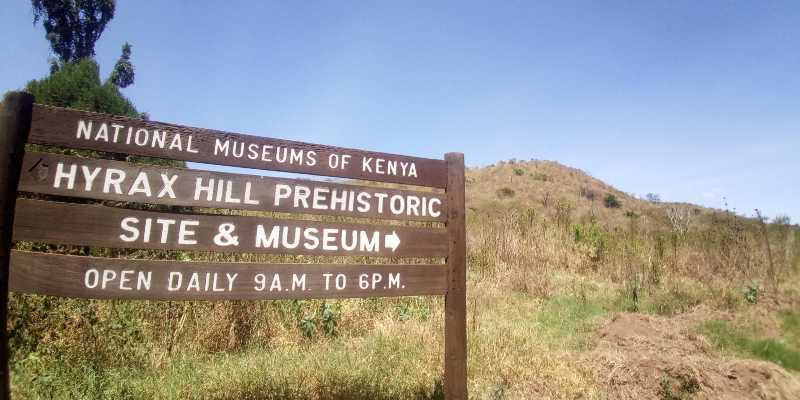
Hyrax Hill Museum is one of the most important archaeological museums in Kenya and a leading destination for visitors interested in prehistoric history, archaeology, cultural heritage, and the natural environment of the Great Rift Valley. Located approximately four kilometres from the central business district of Nakuru City and about 152 kilometres from Nairobi, the museum occupies a prominent volcanic rock outcrop overlooking the surrounding plains. Its elevated position provides spectacular views of the Rift Valley landscape while preserving evidence of human occupation that spans centuries of Kenyan history.
Known officially as Hyrax Hill Prehistoric Site and Museum, the site derives its name from the rock hyrax, a small mammal that once inhabited the rocky outcrops in large numbers. Although fewer hyraxes are seen today, visitors occasionally spot these fascinating animals around the summit and rocky slopes of the hill. Rising approximately fifty metres above the surrounding grasslands and reaching an altitude of nearly 1,900 metres above sea level, Hyrax Hill stands as both a natural landmark and a nationally important heritage site.
For archaeologists and historians, Hyrax Hill Museum is particularly significant because it preserves evidence of early pastoral communities that once occupied the Rift Valley. Excavations conducted over several decades have revealed habitation hollows, burial sites, stone bowls, and other archaeological remains associated with the Sirikwa people, a pastoralist community believed to have been among the ancestors of several present-day Kalenjin-speaking groups. These discoveries have contributed greatly to the understanding of Kenya's precolonial history and cultural development.
Today, the museum serves as more than an archaeological site. Visitors can explore galleries dedicated to archaeology, material culture, and natural history while also enjoying outdoor attractions such as archaeological excavation areas, bird watching, educational programmes, and scenic viewpoints. The combination of cultural heritage, scientific research, environmental conservation, and public education makes Hyrax Hill Museum one of the most diverse museums managed by the National Museums of Kenya.
The museum continues to play an important role in preserving Kenya's archaeological heritage and promoting awareness of the country's rich cultural history. Through exhibitions, research projects, school programmes, and community engagement activities, Hyrax Hill Museum helps connect visitors with the stories of the people who lived in the Rift Valley long before the arrival of colonial rule or modern urban development.
Whether you are a student of archaeology, a heritage enthusiast, a tourist exploring Nakuru County, or simply someone interested in Kenya's fascinating past, Hyrax Hill Museum offers a rewarding experience that combines history, culture, science, and nature within a single destination.
What Is Hyrax Hill Museum?
Hyrax Hill Museum is a prehistoric archaeological site and museum managed by the National Museums of Kenya. The museum was established to preserve and interpret archaeological discoveries made at Hyrax Hill while educating the public about Kenya's prehistoric communities, cultural heritage, and natural environment. Since opening to visitors in 1965, the museum has become one of the country's leading centres for archaeological education and heritage conservation.
The museum occupies approximately fifty-nine hectares, much of which is covered by the hill itself. Within this area are archaeological sites, museum galleries, educational facilities, and natural habitats that support wildlife and birdlife. The museum provides visitors with an opportunity to explore both indoor exhibitions and outdoor heritage attractions within the same location.
Its collections focus on archaeology, material culture, and natural history. Visitors can view prehistoric tools, archaeological reconstructions, cultural artefacts from Rift Valley communities, and displays highlighting the region's wildlife and environmental diversity. These collections help explain how people lived, adapted, and interacted with their environment over time.
As one of Kenya's most important archaeological museums, Hyrax Hill continues to support research, education, conservation, and public engagement while preserving a valuable chapter of the country's heritage for future generations.
History of Hyrax Hill Museum
The history of Hyrax Hill Museum begins in the early twentieth century when archaeological remains were first noticed on the hill. The site was discovered in 1920 by Mrs. Selfe, a colonial farmer who recognized the presence of unusual archaeological features within the area. Her observations attracted scientific interest and eventually led to detailed archaeological investigations that revealed the significance of the site.
Further studies identified habitation hollows, burial sites, stone bowls, and other archaeological evidence indicating that the hill had been occupied by pastoral communities many centuries ago. These discoveries established Hyrax Hill as one of the most important archaeological sites in Kenya and highlighted its value for understanding the history of settlement in the Rift Valley.
Archaeological excavations conducted during the twentieth century expanded knowledge of the site considerably. Researchers uncovered evidence of both prehistoric and later Iron Age occupation, demonstrating that the hill had served as an important location for human settlement over extended periods. These discoveries contributed significantly to the study of Kenya's cultural history and early pastoral societies.
Recognizing its importance, the National Museums of Kenya opened Hyrax Hill Museum to the public in 1965. The museum was later gazetted as a National Monument, ensuring legal protection for its archaeological resources and heritage landscapes. Today, Hyrax Hill Museum continues to preserve these important discoveries while serving as a centre for education, research, and heritage tourism.
Hyrax Hill Museum Location
Hyrax Hill Museum is located approximately four kilometres from Nakuru City's central business district in Nakuru County, Kenya. The museum sits about 400 metres from the Nairobi–Nakuru Highway, making it one of the most accessible archaeological attractions in the country. Its strategic location allows visitors travelling through the Rift Valley to easily include the museum as part of their itinerary while exploring Nakuru and its surrounding attractions.
The museum occupies a narrow volcanic rock spur on the eastern edge of Nakuru. Rising approximately fifty metres above the surrounding plains and reaching an altitude of nearly 1,900 metres above sea level, the hill offers panoramic views of the Rift Valley landscape. From the summit, visitors can appreciate the natural beauty of the region while gaining insight into why the site may have been attractive to early communities seeking security, visibility, and access to resources.
Its proximity to major attractions such as Lake Nakuru National Park, Menengai Crater, Lake Elementaita, Kariandusi Museum, and other heritage destinations makes Hyrax Hill Museum an ideal stop for visitors interested in combining archaeology, wildlife, culture, and history during a single trip through Nakuru County.
The museum's location also contributes significantly to its educational value. The surrounding landscape helps visitors understand the environmental conditions that influenced settlement patterns and cultural development in the Rift Valley over many centuries.
Archaeological Discoveries at Hyrax Hill Museum
Hyrax Hill Museum is best known for its archaeological significance and the discoveries that have helped scholars better understand Kenya's prehistoric and early historic communities. Since investigations began in the early twentieth century, archaeologists have uncovered evidence of human occupation spanning different periods of history, making the site one of the most important archaeological locations in the country.
Among the most significant discoveries are habitation hollows, burial sites, stone bowls, pottery fragments, livestock remains, and evidence of pastoral settlement. These findings demonstrate that Hyrax Hill was occupied by communities whose livelihoods depended heavily on livestock keeping and interaction with the surrounding environment.
The discoveries also provide valuable information about social organization, economic activities, settlement patterns, and cultural practices within the Rift Valley. By studying these remains, researchers have been able to reconstruct aspects of everyday life and gain a deeper understanding of how communities adapted to changing environmental and social conditions.
The archaeological evidence preserved at Hyrax Hill continues to support research and remains an important educational resource for students, scholars, and visitors interested in Kenya's heritage.
The Sirikwa Settlement at Hyrax Hill Museum
One of the most important aspects of Hyrax Hill Museum is its association with the Sirikwa people, a pastoralist community that occupied parts of the Rift Valley before the emergence of many modern ethnic groups. Archaeologists believe that the habitation hollows found at Hyrax Hill are linked to Sirikwa settlements and provide valuable evidence about the lives of these early pastoral communities.
The Sirikwa are widely recognized for their distinctive settlement pattern, which consisted of enclosed homestead depressions surrounded by defensive earthworks. These settlements were designed to protect livestock, which formed the foundation of their economy and social life. The remains found at Hyrax Hill provide some of the clearest examples of this settlement tradition in Kenya.
Many historians and archaeologists believe that the Sirikwa were eventually absorbed into later communities, including groups associated with the modern Kalenjin peoples. As a result, the archaeological remains at Hyrax Hill help bridge the gap between prehistoric societies and the communities that inhabit the Rift Valley today.
Visitors to the museum can view exhibits and models illustrating how Sirikwa settlements may have appeared and learn about the cultural traditions that shaped life within these communities.
Mary Leakey and Hyrax Hill Museum
Hyrax Hill Museum occupies a special place in the history of East African archaeology because of its association with Dr. Mary Leakey, one of the most influential archaeologists of the twentieth century. Her work at the site contributed significantly to understanding its chronology, cultural significance, and archaeological importance.
Mary Leakey conducted excavations at Hyrax Hill that revealed evidence of later Iron Age occupation and helped confirm the site's role as an important settlement area. Her meticulous research methods established standards that continue to influence archaeological investigations throughout Africa today.
The findings resulting from her work provided valuable insights into the people who occupied the site and strengthened the museum's reputation as a major archaeological resource. Through careful excavation and documentation, she helped ensure that the archaeological record preserved at Hyrax Hill could be studied and interpreted for generations to come.
Today, Mary Leakey's contributions remain an important part of the museum's story and reflect the broader role that archaeological research has played in uncovering Kenya's rich cultural heritage.
Why Is Hyrax Hill Museum Important?
Hyrax Hill Museum is important because it preserves evidence of human occupation, cultural development, and environmental adaptation spanning several centuries. The archaeological discoveries made at the site have contributed significantly to understanding the history of pastoral communities in the Rift Valley and have helped fill important gaps in knowledge about Kenya's precolonial past.
The museum is also important because it combines archaeology, cultural heritage, natural history, and public education within a single institution. Visitors can learn about prehistoric settlement patterns, traditional lifestyles, wildlife, geology, and conservation while exploring one of the country's most important heritage sites.
Its educational programmes, exhibitions, and research activities continue to support learning and promote appreciation of Kenya's cultural heritage. Schools, universities, researchers, and tourists regularly visit the museum to gain firsthand experience of archaeological evidence and heritage conservation practices.
As a protected National Monument and a key institution within the National Museums of Kenya network, Hyrax Hill Museum plays a vital role in preserving the nation's history and ensuring that future generations can continue to learn from the archaeological and cultural resources it protects.
The museum's significance extends beyond Kenya. The discoveries made at Hyrax Hill contribute to broader discussions about human settlement, pastoralism, and cultural change across East Africa, making the site an important part of the continent's archaeological heritage.
Hyrax Hill Museum Gallery
The Hyrax Hill Museum Gallery serves as the primary exhibition space where visitors can explore the archaeological, cultural, and natural history of the Rift Valley region. The gallery has been carefully designed to provide educational experiences for students, researchers, tourists, and heritage enthusiasts while preserving and showcasing important collections associated with the site and surrounding communities.
The museum gallery presents exhibitions in three major categories: archaeology, material culture, and natural history. Together, these collections help visitors understand the long history of human occupation in the Rift Valley, the cultural diversity of local communities, and the rich natural environment that has shaped life in the region for centuries.
Each section of the gallery contributes to the museum's educational mission by connecting archaeological discoveries with broader themes of cultural heritage, environmental conservation, and historical development. Visitors gain a comprehensive understanding of how people and landscapes have interacted throughout different periods of Kenya's history.
Those interested in exploring additional photographs of the museum's exhibitions and attractions can visit the dedicated Hyrax Hill Museum Gallery page for a visual overview of the site and its collections.
View Hyrax Hill Museum Gallery
Archaeology Collection at Hyrax Hill Museum
The archaeology section is among the most important parts of the museum and highlights the discoveries that established Hyrax Hill as one of Kenya's leading archaeological sites. Through carefully curated displays, visitors can learn about prehistoric settlement patterns, technological development, and cultural change within the Rift Valley.
Exhibits include archaeological features found at the site, reconstructions of ancient settlements, stone bowls, pottery fragments, and models that help explain how communities once lived within the region. Visitors can also view displays illustrating the development of human technology from the Early Stone Age through the Later Stone Age.
One of the most educational displays is a map showing the distribution of prehistoric sites across Kenya. This exhibit helps visitors place Hyrax Hill within the broader context of Kenyan archaeology and understand its significance alongside other important prehistoric locations.
The archaeology gallery also contains educational material explaining excavation techniques, archaeological dating methods, and the importance of preserving cultural heritage sites for future generations.
Early Human Fossils and Stone Tools at Hyrax Hill Museum
A major attraction within the archaeology section is the display of early human skull replicas and prehistoric stone tools. These exhibits help visitors understand the development of human evolution and technological innovation over long periods of time.
Among the exhibits are representations of important early human ancestors, including Australopithecus boisei and Homo erectus. These displays provide valuable context for understanding the broader story of human origins and Africa's central role in the evolution of humankind.
The collection of stone tools demonstrates how technology evolved over time and illustrates the increasing sophistication of prehistoric communities. Through these exhibits, visitors gain insight into the ingenuity and adaptability of early humans who relied on tools for survival.
For students studying archaeology and anthropology, these displays provide a practical introduction to concepts often encountered only in textbooks and classrooms.
Material Culture Collection at Hyrax Hill Museum
The material culture section highlights the traditions, lifestyles, and heritage of communities that have lived within the Rift Valley region. The collection showcases objects used in daily life and demonstrates how people adapted to their environment through farming, pastoralism, fishing, trade, and craftsmanship.
The exhibits feature artefacts associated with several communities including the Maasai, Kalenjin, Turkana, Kikuyu, and Luo. Each community contributed to the cultural history of the Rift Valley at different periods and developed unique traditions that continue to influence Kenyan society today.
Displayed objects include household items, tools, traditional equipment, ornaments, and cultural artefacts that reveal the creativity and skills of local communities. These collections help visitors appreciate the diversity of Kenya's cultural heritage while also understanding the historical connections between different groups.
The material culture gallery remains one of the museum's most popular sections because it connects archaeological discoveries with living traditions that continue to be practiced in parts of Kenya today.
Natural History Collection at Hyrax Hill Museum
The natural history section introduces visitors to the wildlife, ecosystems, and environmental diversity of the Nakuru region. This gallery demonstrates the close relationship between people and the natural environment while highlighting species that are important to the area's ecological heritage.
Exhibits include displays of animals commonly associated with the region, including the rock hyrax from which the museum derives its name. Other featured species include waterbuck, lesser flamingo, spitting cobra, and various bird species found within the Rift Valley ecosystem.
The gallery helps visitors understand how wildlife and environmental conditions have influenced human settlement patterns throughout history. It also promotes conservation awareness and encourages appreciation for Kenya's biodiversity.
By combining archaeology, culture, and natural history within a single institution, Hyrax Hill Museum offers a more complete understanding of the region's heritage than many conventional museums.
Live Exhibitions at Hyrax Hill Museum
One of the unique attractions at Hyrax Hill Museum is its live exhibition area, which provides visitors with opportunities to observe living animals within a controlled environment. These exhibits complement the museum's educational programmes and help connect natural history displays with real-life wildlife experiences.
Among the animals commonly featured are tortoises and guinea fowls, both of which attract considerable interest from children and families visiting the museum. These live exhibits help create interactive learning opportunities and encourage visitors to develop a deeper appreciation for wildlife conservation.
The live exhibition area is particularly popular during school visits because it combines classroom learning with practical observation and environmental education.
Open Archaeological Sites at Hyrax Hill Museum
In addition to indoor exhibitions, visitors can explore the open archaeological sites that make Hyrax Hill famous. These outdoor heritage areas preserve evidence of ancient occupation and provide opportunities to observe archaeological features within their original landscape setting.
Evidence of habitation at the site includes burial areas, settlement remains, stone bowls, and other features associated with early pastoral communities. These discoveries helped establish the archaeological importance of Hyrax Hill and continue to support research and education today.
Several archaeological investigations have been conducted at the site over the years by researchers including Mary Leakey, Ronald J. Clarke, and J.C. Onyango-Abuje. Their work contributed significantly to understanding the chronology and cultural history of the area.
The preserved archaeological landscape remains one of the museum's most valuable educational resources and offers visitors a direct connection to Kenya's distant past.
Hill Fort at Hyrax Hill Museum
One of the most intriguing archaeological features at Hyrax Hill Museum is the Hill Fort located on a rocky ridge near the highest point of the hill. Overlooking the western plains, this elevated position provided an excellent vantage point for monitoring activities across the surrounding landscape. The fort occupies an area measuring approximately thirty by fifteen metres and consists of partially levelled rock surfaces enclosed by a rough stone wall.
Archaeologists believe that the structure may originally have been protected by a higher wall or wooden fence. Its strategic location suggests that it functioned as a lookout point where inhabitants could observe livestock grazing on the plains below while also monitoring the movement of visitors, allies, and potential enemies approaching the settlement.
The Hill Fort provides valuable insight into how early communities organized security and managed their resources. It also demonstrates how geography and natural features influenced settlement planning and defensive strategies within the Rift Valley.
Today, visitors can explore the area and enjoy panoramic views of the surrounding landscape while learning about the historical significance of this important archaeological feature.
Bird Watching at Hyrax Hill Museum
Hyrax Hill Museum has become an increasingly popular destination for bird enthusiasts thanks to its rich natural environment and strategic location within the Rift Valley ecosystem. In 2018, the museum strengthened its environmental education efforts through the establishment of a Bird Watching Club that promotes awareness of local bird species and conservation initiatives.
The museum grounds and surrounding habitats support a variety of resident and migratory birds, providing excellent opportunities for observation and photography. Bird watching activities are conducted both within the museum site and at nearby destinations including Soysambu Conservancy and Lake Elementaita.
These programmes attract participants ranging from experienced birdwatchers to beginners interested in learning more about Kenya's remarkable avian diversity. Guided activities help visitors identify species while gaining a better understanding of ecological relationships and conservation challenges.
Visitors interested in joining organized bird-watching activities are encouraged to make arrangements in advance through the museum administration.
Education Programmes at Hyrax Hill Museum
Education remains one of the most important functions of Hyrax Hill Museum. Through a variety of programmes and partnerships, the museum provides opportunities for students, teachers, researchers, and community groups to engage with Kenya's cultural and natural heritage.
The museum regularly hosts educational visits for schools and universities, offering guided tours, lectures, exhibitions, and practical learning experiences. These programmes help learners understand archaeological methods, cultural history, environmental conservation, and heritage management.
A particularly successful initiative is the museum's creativity club for children, which encourages young people to participate in artistic and cultural activities. Through workshops, exhibitions, and community projects, children develop creative skills while also gaining appreciation for heritage conservation.
By combining classroom learning with practical experiences, Hyrax Hill Museum continues to inspire future generations of historians, archaeologists, conservationists, and cultural heritage professionals.
Community Engagement at Hyrax Hill Museum
Hyrax Hill Museum actively collaborates with local communities and partner organizations through a variety of outreach programmes designed to improve social wellbeing and strengthen community relationships. These initiatives demonstrate the museum's commitment to serving society beyond its traditional roles of preservation and education.
Working alongside partners such as the Lions Club of Menengai and other community organizations, the museum has participated in activities including the donation of wheelchairs to persons living with disabilities, distribution of food hampers to vulnerable families, and provision of dignity packs to girls.
These programmes help strengthen the relationship between the museum and surrounding communities while promoting social inclusion, empowerment, and cultural participation. Through such initiatives, Hyrax Hill Museum demonstrates that heritage institutions can play meaningful roles in addressing contemporary social challenges.
Community engagement activities also help increase awareness of the importance of heritage conservation and encourage greater public participation in museum programmes and events.
Hyrax Hill Museum Opening Hours
Hyrax Hill Museum welcomes visitors throughout the week and provides ample time to explore its galleries, archaeological sites, hill fort, live exhibitions, and outdoor attractions. Visitors are encouraged to arrive early in order to fully experience the museum and surrounding landscape.
Opening Days:
Monday – Sunday
Opening Hours:
8:00 AM – 6:00 PM
Public Holidays:
Open during most public holidays unless otherwise announced by the National Museums of Kenya.
Hyrax Hill Museum Entry Fees
Entry fees support archaeological conservation, exhibition development, educational programmes, site maintenance, visitor services, and heritage preservation activities undertaken by the National Museums of Kenya.
Visitors are encouraged to confirm the latest admission charges before planning their visit.
Buy Hyrax Hill Museum Tickets Online
Visitors can conveniently purchase admission tickets before arrival through the official National Museums of Kenya eCitizen ticketing platform.
Buy Hyrax Hill Museum Tickets Online
Hyrax Hill Museum Contact Information
The Curator
Hyrax Hill Prehistoric Site & Museum
Postal Address:
P.O. Box 9535-00100,
Nakuru, Kenya
Managed By:
National Museums of Kenya
Location:
Approximately 4 kilometres from Nakuru City Centre and 400 metres from the Nairobi–Nakuru Highway.
Frequently Asked Questions About Hyrax Hill Museum
What is Hyrax Hill Museum?
Hyrax Hill Museum is a prehistoric archaeological site and museum in Nakuru County managed by the National Museums of Kenya. It preserves important evidence of ancient settlement, cultural heritage, and natural history.
Where is Hyrax Hill Museum located?
Hyrax Hill Museum is located approximately four kilometres from Nakuru City Centre and about 152 kilometres from Nairobi.
What is found in Hyrax Hill Museum?
Visitors can explore archaeology collections, cultural artefacts, natural history exhibits, prehistoric settlement remains, a hill fort, live animal exhibitions, and educational displays.
Who were the Sirikwa people?
The Sirikwa were pastoral communities that occupied parts of the Rift Valley and are believed to have influenced later Kalenjin-speaking populations.
Who excavated Hyrax Hill Museum?
Several archaeologists worked at the site, including Dr. Mary Leakey, Ronald J. Clarke, and J.C. Onyango-Abuje.
Can visitors participate in bird watching at Hyrax Hill Museum?
Yes. The museum operates bird-watching programmes and interested visitors can participate through prior booking arrangements.
What are Hyrax Hill Museum opening hours?
The museum is generally open daily from 8:00 AM to 6:00 PM.
Can I buy Hyrax Hill Museum tickets online?
Yes. Tickets can be purchased through the official National Museums of Kenya eCitizen ticketing platform.
See Also
- Explore Kariandusi Museum and discover one of East Africa's most important prehistoric archaeological sites dating back nearly one million years.
- Learn about Kenya's independence struggle and the story of the Kapenguria Six at Kapenguria Museum.
- Visit Kabarnet Museum and explore the cultural heritage, wildlife, and history of Kenya's Rift Valley communities.
- Discover the fascinating ruins of a medieval Swahili town at Gede Museum and National Monument.
- Explore Rabai Museum and learn about the origins of Christianity and modern education in Kenya.
Follow National Museums of Kenya
Stay connected with the National Museums of Kenya for updates on exhibitions, archaeological discoveries, heritage conservation projects, educational programmes, research initiatives, and upcoming cultural events across the country.