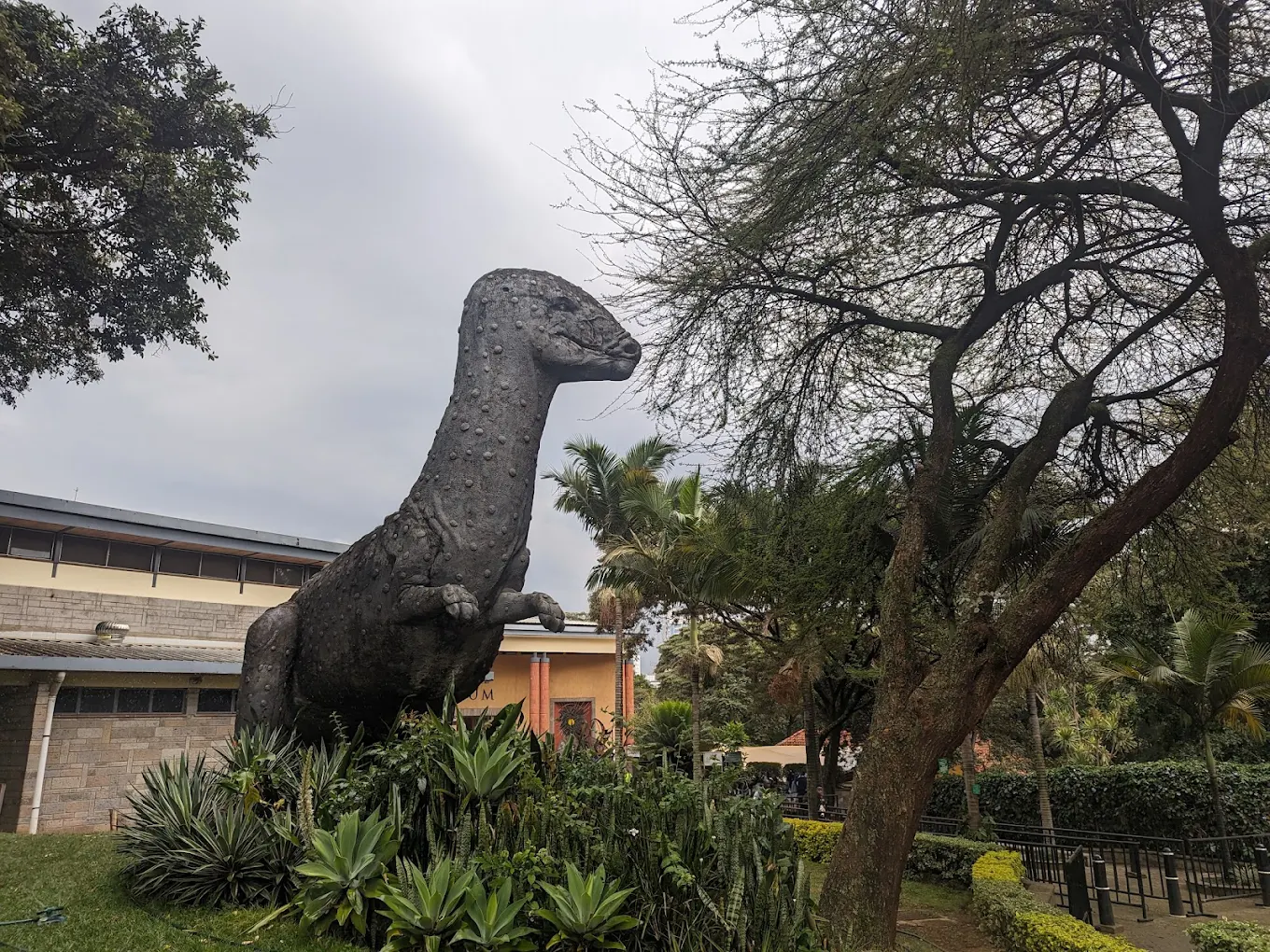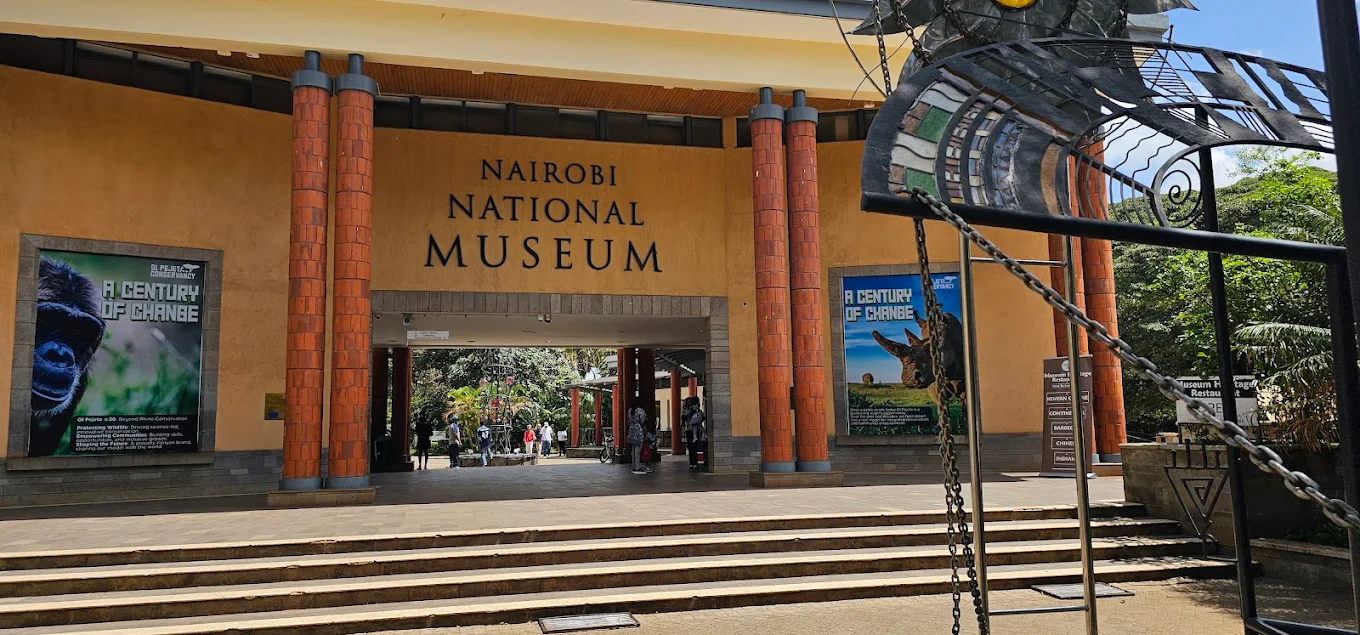
Nairobi National Museum
Overview
Distance: 3 km from CBD
Founded: 1910
The Nairobi National Museum, located on Museum Hill, is just 20 minutes from Nairobi’s Central Business District (CBD). It is one of Kenya’s top cultural and historical attractions, offering visitors a chance to explore the nation’s rich heritage, art, culture, and natural history all in one place.
Use our free calculator to view the accurate ticket charges for the Museum, Snake Park, and combined packages. for the Museum, Snake Park, and combined packages. Updated according to official rates set by the National Museums of Kenya.
Nairobi National Museum Ticket Calculator
Total: Ksh 0
Purchase Ticket Now⚠️ Calculated price may vary slightly due to payment processing fees.
Powered by Museums.co.ke
Calculation is based on the official National Museums of Kenya entry fees.
Download Official Entry Fees PDF
Discover Nairobi National Museum: The Heart of Kenya’s Culture and History
The Nairobi National Museum is in the middle of Kenya's busy capital city. It is a testament to the country's rich cultural heritage. Get ready for an exciting journey that combines art, history, and nature as you walk through the doors. This wonderful place gives visitors a close look at Kenya's history by showing off everything from ancient fossils to modern art. Take a walk through carefully chosen exhibits that show off the many cultures and traditions that make this East African gem so special. Each artifact tells a story that makes you think deeply about the rich history of human experience that has happened on this land. The Nairobi National Museum is a wonderful place to learn more about Kenya's rich culture, whether you're a history buff, an art lover, or just a curious traveler. Come with us as we look around and find out how this museum captures the spirit of Kenya's cultural heritage.
Historical Background of the Nairobi National Museum
The Nairobi National Museum has been around since 1910, when a group of naturalists and collectors started the East African and Uganda Natural History Society. They had a simple but big goal: to gather, study, and protect examples of the area's rich cultural and biological diversity. In 1929, the colonial government set aside a piece of land that is now Museum Hill. In 1930, the first museum building opened. The museum was named after Sir Robert Coryndon, who was the former Governor of Kenya and a fan of natural history. Kenya became independent in 1963, and the museum changed its name to the National Museum of Kenya. This move indicated that people were proud of their country and owned it. From 2005 to 2008, the museum went through a huge modernization project. It added more galleries, made it easier to get around, and added technology. The Nairobi National Museum, a world-class place for heritage, science, and learning, reopened in June 2008.
What is found in Nairobi National Museum
The museum is set up so that visitors can walk through Kenya's history, from the beginning of human history to the vibrant country it is now. The carefully curated galleries aim to educate, inspire, and foster a connection between visitors and Kenya's rich culture and natural environment. The Gallery of the Cradle of Humankind.
The Gallery of Mammals' Story
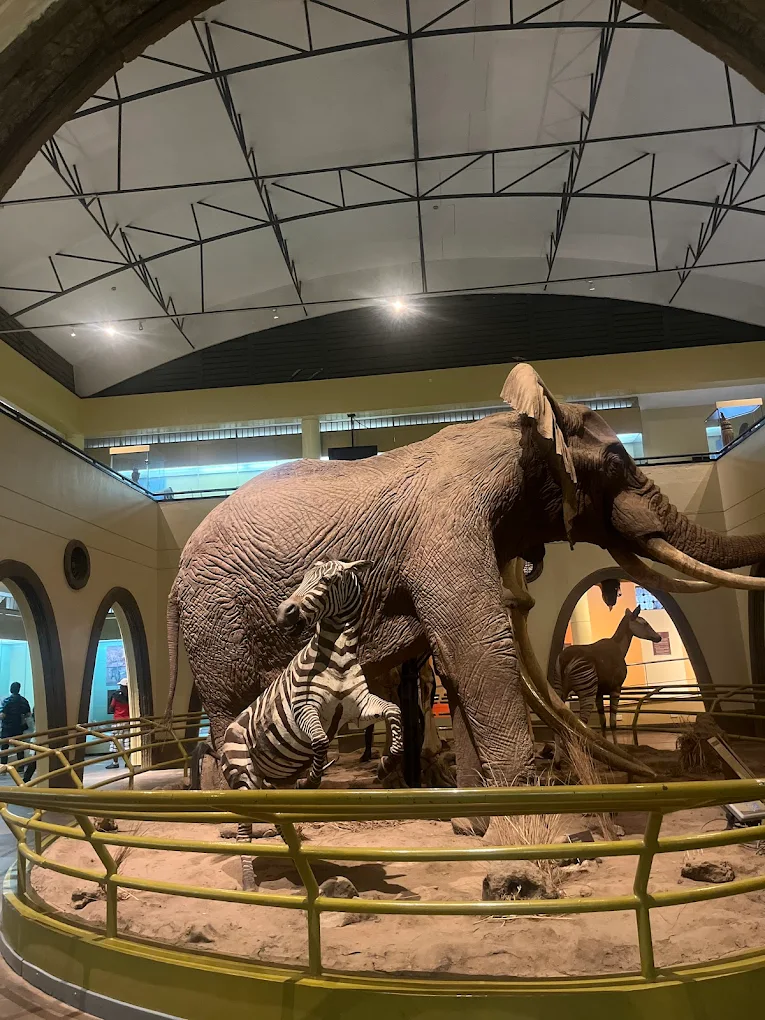
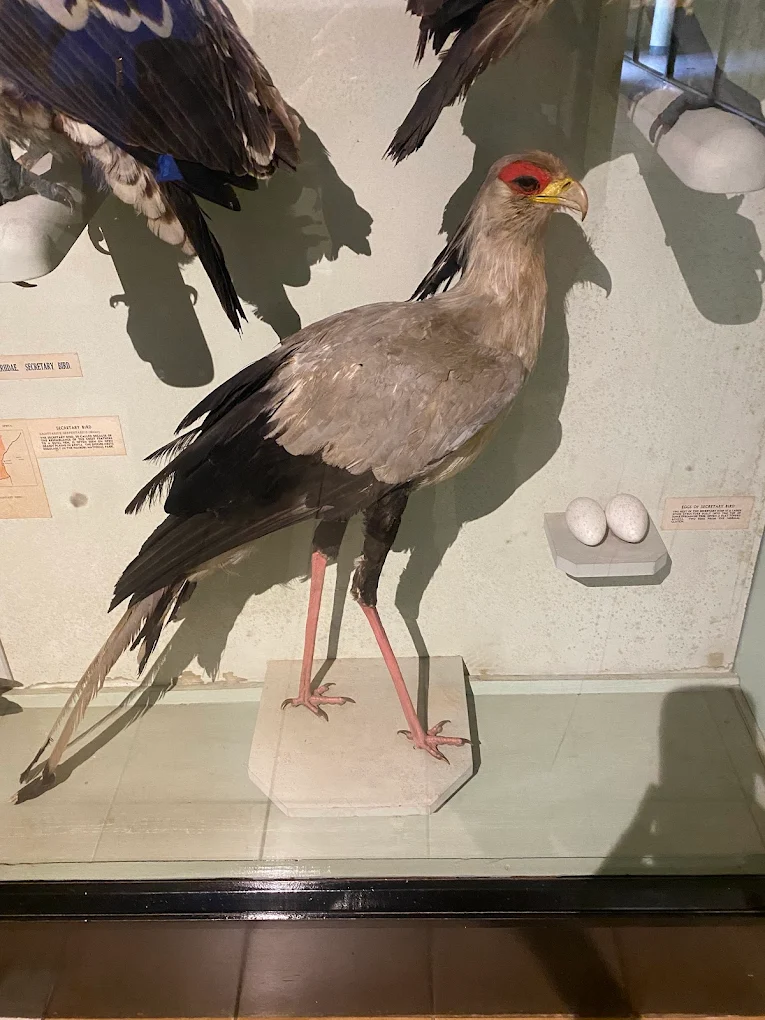
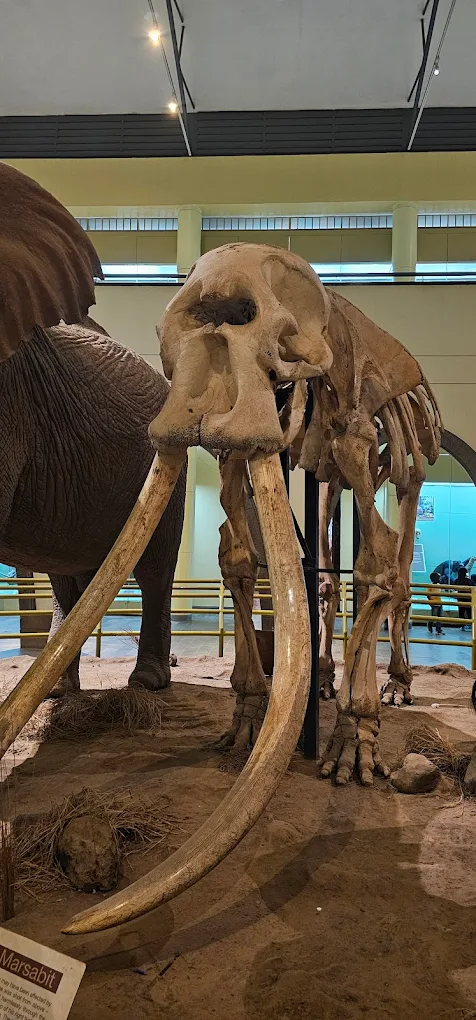
This gallery is a must-see for people who love wildlife. It celebrates Kenya's amazing biodiversity. It offers a lot of information about the habitats, behaviors, and roles in the ecosystem of a wide range of mammals, from giant elephants to tiny shrews. The displays help people understand how Kenya's ecosystems work by showing how animals have changed over time, how they eat, and how they adapt to survive. The life-size dioramas make you feel like you're on a safari, even though you're still in the museum.
The Kenya History Gallery
Travel back in time to learn about Kenya's long and fascinating political and social history. This gallery shows the history of Kenya from before colonial rule, through colonial rule, and into the fight for independence that made Kenya what it is today. Artifacts, pictures, and multimedia displays show the different communities in Kenya, how they used to govern themselves, the resistance movements, and the heroes who fought for freedom. It reminds us of Kenya's strength, unity, and pride in an inspiring way.
The Life Cycles Gallery
Travel back in time to learn about Kenya's long and fascinating political and social history. This gallery shows the history of Kenya from before colonial rule, through colonial rule, and into the fight for independence that made Kenya what it is today. Artifacts, pictures, and multimedia displays show the different communities in Kenya, how they used to govern themselves, the resistance movements, and the heroes who fought for freedom. It reminds us of Kenya's strength, unity, and pride in an inspiring way.
Art and Exhibitions That Last a Short Time
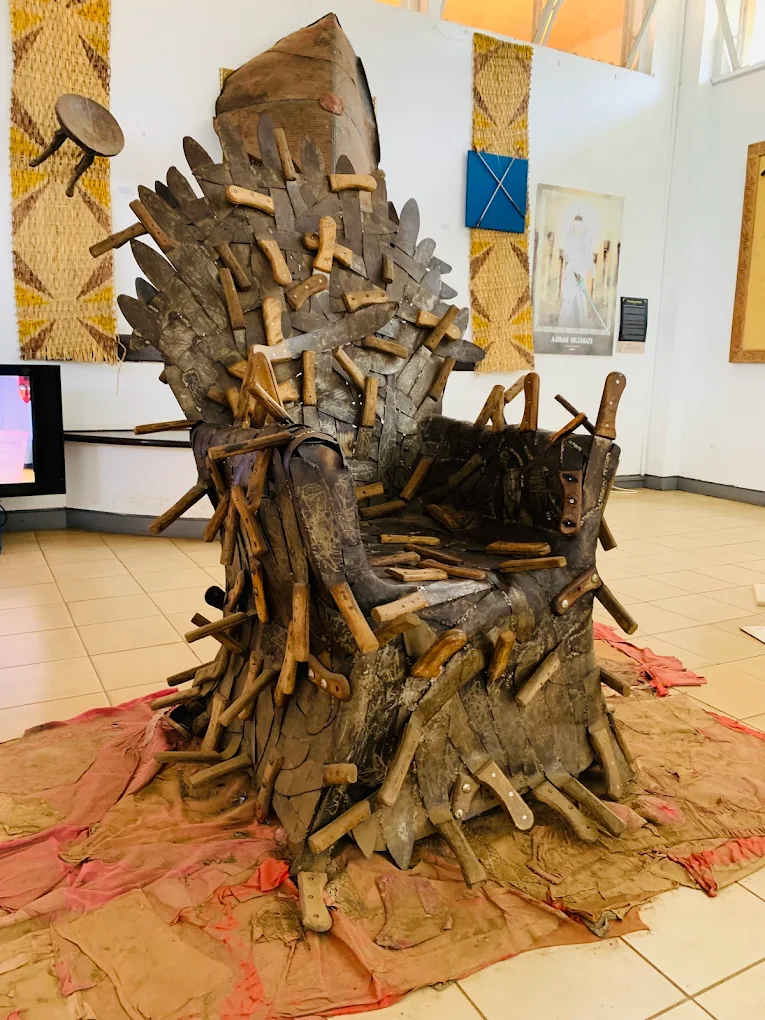
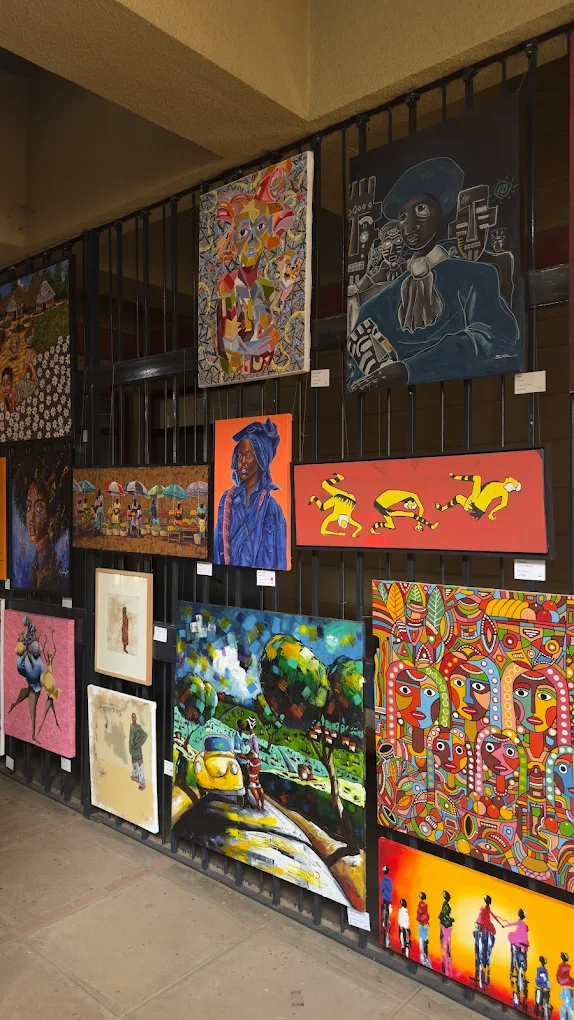
The museum has rotating art shows all year long that feature both Kenyan and international artists. These shows often look at modern social issues and give local artists a chance to show off their work. The museum's botanical gardens and sculpture park outside are excellent places to enjoy art, nature, and photography in peace. The gardens are a small botanical sanctuary in the city because they have native plants.
The Coin Show
A fascinating look at how Kenya's economy has changed over time through its banking and currency systems. You can see old trade goods, early colonial coins, and new designs for money here. There are also interactive parts of the exhibit for kids and students that teach them about how to save money, manage their money, and how technology has changed finance in Kenya.
The Snake Park in Nairobi
The well-known Nairobi Snake Park opened in 1961 to protect, study, and teach people about reptiles and is located next to the museum. It is home to many reptiles, such as cobras, pythons, vipers, crocodiles, tortoises, and lizards. The park is both a tourist attraction and a wonderful place for herpetologists and medical researchers to study snake venom. It's a fun and educational addition to the museum experience for kids and families.
Experience of Visitors
Everyone will find the Nairobi National Museum to be engaging: 1. Students and researchers can access Kenya's largest collection of historical and scientific data. 2. Families: A safe, fun, and educational place with intriguing exhibits for kids. 3. Tourists: A fantastic way to learn about Kenya's culture and natural wonders before you go there. 4. Art and culture lovers will find a mix of old and new African art in the galleries and gardens. There is also a restaurant and café on the property where you can get snacks, as well as a gift shop that sells books, crafts, and souvenirs about Kenya's wildlife and history.
Tours at Night
The museum offers night tours for groups of 10 or more people who book ahead of time. Tours happen from 6:00 p.m. to 10:00 p.m., giving visitors a special chance to experience the exhibits in a peaceful and atmospheric setting—perfect for team outings or educational excursions.
Opening Hours and Admission
A Place Where Kenya's Story Will Live On!
The Nairobi National Museum is more than just a place to see things; it's a place that connects you to the heart of Kenya. You will be proud of Kenya's progress and appreciate its people, animals, and history. The museum is a place to learn about your roots, discover new things, or just have a good time.
Nairobi National Museum Frequently Asked Questions (FAQ)
Where is Nairobi National Museum location?
Museum Hill, off Kipande Road, Nairobi, Kenya.
What is found in Nairobi National Museum?
Kenya's history, culture, wildlife, and heritage are all on display at the Nairobi National Museum. Its galleries cover a wide range of topics, including the origins of humans, mammals, social life, money, and cultural connections. Visitors can learn and interact with the exhibits.
What are the Nairobi National Museum opening hours?
It is open every day from 8:30 a.m. to 5:30 p.m., even on weekends and holidays.
What are the Nairobi National Museum entry fees?
Kenyan Citizens: KES 200 for adults and KES 100 for kids
Adults KES 600, kids KES 400 for residents
Adults: KES 1,200; Children: KES 600 for non-residents
How to get to museum from Nairobi CBD?
You can get to the museum from the CBD by taking a matatu from the Koja station or other places in the CBD, such as Kencom House, and then getting on a route 24 bus. Depending on traffic, the drive takes about 10 to 20 minutes.
Open Daily: 8:30 a.m. – 5:30 p.m., including weekends and holidays. Address: Museum Hill Road, off Uhuru Highway, Nairobi, Kenya. It is conveniently accessible from the central business district of Nairobi as well as other significant locations, such as the Nairobi River and the Kenya National Theatre.
The National Museums of Kenya runs the Nairobi National Museum. Here are the current entry fees:
Kenyan Citizens: KES 200 for adults and KES 100 for kids
Adults KES 600, kids KES 400 for residents
Adults: KES 1,200; Children: KES 600 for Non-citizen
Are you planning your trip? This quick calculator will tell you exactly how much it will cost to get into a museum or snake park based on your group size and category.
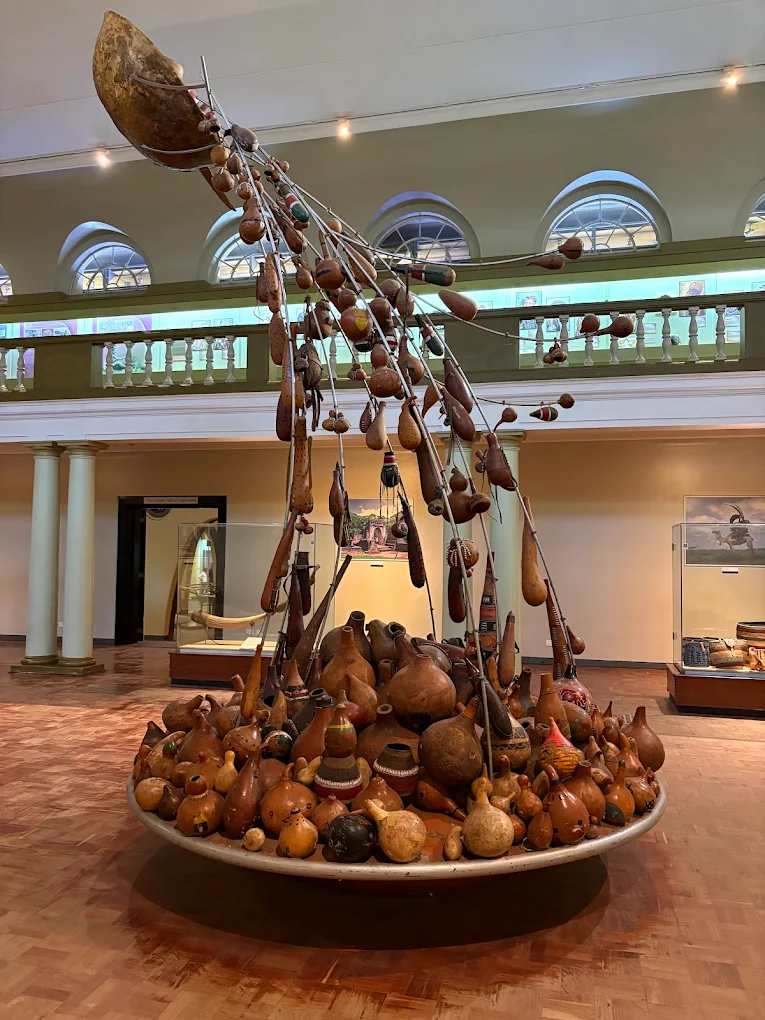
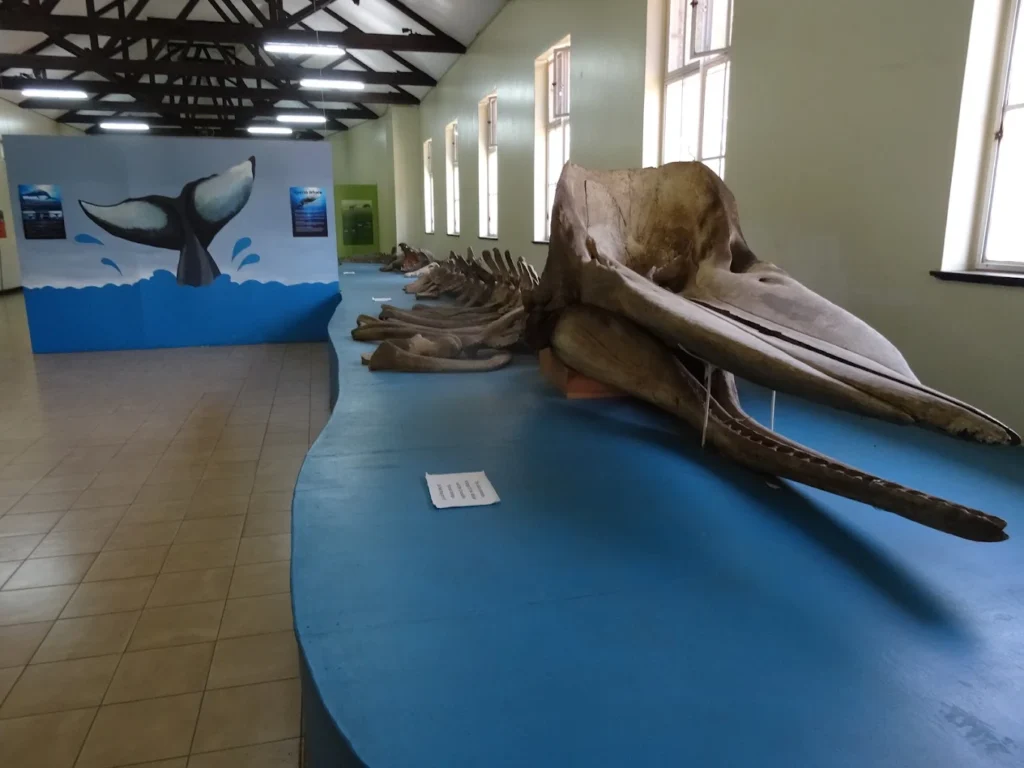
The Museum Gallery
Contacts
You can get in touch with the curator at the Nairobi National Museum, P. O. Box 40658-00100, Nairobi.
0208164134/6 or 0721308485 via phone
[email protected] is the email.
Contacts Us For Help
Tickets Purchase
You can buy tickets for the Nairobi National Museum ahead of time on the eCitizen portal or at the museum's ticketing desks when you get there. eCitizen accepts several payment methods, such as M-Pesa, Visa card, and bank transfers. To make things easier, it is best to buy online.
National Museums Ticket Calculator
Find out how much it costs to go to any museum or historical site in Kenya right away. This calculator gives you the exact ticket prices for 2025 for citizens, residents, and visitors from other countries at all NMK museums, monuments, galleries, and archaeological sites. Kenya Museum Entry Fee Calculator: Find Out How Much It Costs to Visit All Museums and Heritage Sites
museums entry fees by the National Museums of kenya