 Skip to content
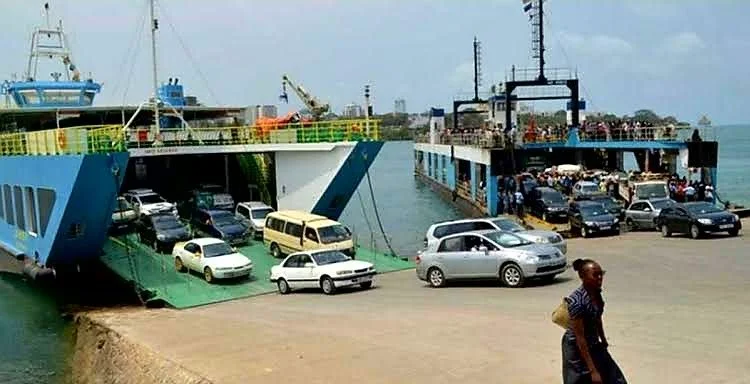
Crossing the Kilindini Harbour is an essential experience for anyone traveling between Mombasa Island and the South Coast. Whether you are a daily commuter or a tourist heading to the beaches of Diani, staying informed about the Likoni ferry schedules is the key to a stress-free journey.
This 2026 guide breaks down everything you need to know about timing your crossing, navigating peak hours, and finding the best time to beat the crowds.
Likoni Ferry Schedules and Frequency
The Likoni Ferry is a vital 24-hour service that never truly sleeps. Unlike traditional fixed-time transport, the ferries primarily operate on a shuttle system, meaning they depart as soon as they reach capacity.
- Standard Frequency: During most of the day, ferries depart approximately every 10 to 15 minutes.
- Late Night/Early Morning: Very late at night and in the early hours of the morning, the vessels transition to a more fixed schedule.
- Crossing Duration: The actual sail time across the 500-meter channel is impressively short, usually taking under 10 minutes.
Understanding Peak Hours and Waiting Times
Because it is the busiest ferry crossing in East Africa, the Likoni channel experiences predictable daily “surges.” During these peak times, the sheer volume of commuters and vehicles can lead to significant delays.
- Morning Peak: 6:00 AM – 9:30 AM. This hour is the primary rush for workers and students heading into the Mombasa CBD.
- Evening Peak: 4:00 PM – 9:00 PM. This window sees heavy traffic as commuters return to the Likoni mainland.
- Waiting Times: While a typical off-peak wait is minimal, rush hour can extend your waiting time to 30 minutes or more, as you may need to wait for the next available vessel.
The best time to cross the Likoni Ferry
If you want to enjoy the superb views of the harbor without the “crowded struggle,” timing your trip is critical.
- The Golden Windows: The best times to cross with minimal delays are between 9:30 AM and 3:30 PM or late in the evening after 9:00 PM.
- Mid-Week Advantage: Tuesdays through Thursdays generally see slightly more predictable traffic patterns compared to the heavy weekend surges.
- Cargo Constraints: Be aware that petroleum and dangerous cargo are restricted to specific windows (e.g., 9:30 AM and 1:00 PM from the island), which can occasionally affect the rotation of regular passenger ferries.
Traveler’s Safety and Survival Tips
Navigating the ferry requires more than just knowing the likoni ferry schedules; it requires situational awareness
- Protect Your Valuables: Crime rates can be high around the crossing. Always keep your phones and bags in sight.
- Seek the Upper Deck: For tourists, the upper seating areas of modern ferries offer more security and the best scenic views of the harbor.
- Holiday Warning: During major holidays (April, August, and December), brace yourself for extended delays and consider bringing water and snacks in case of a major backlog.
- Vehicle Safety: Ensure your braking system is functional and maintain a strict speed of 5 kph when approaching the ferry ramps.
By planning your journey around these peak windows and staying alert, you can transform your crossing from a chaotic hurdle into a scenic highlight of your coastal visit.
Likoni Ferry Guide: M-Pesa Paybill, Car Charges, Schedule, Timetable, Safety and Alternative Routes