 Skip to content
Lake Turkana National Parks
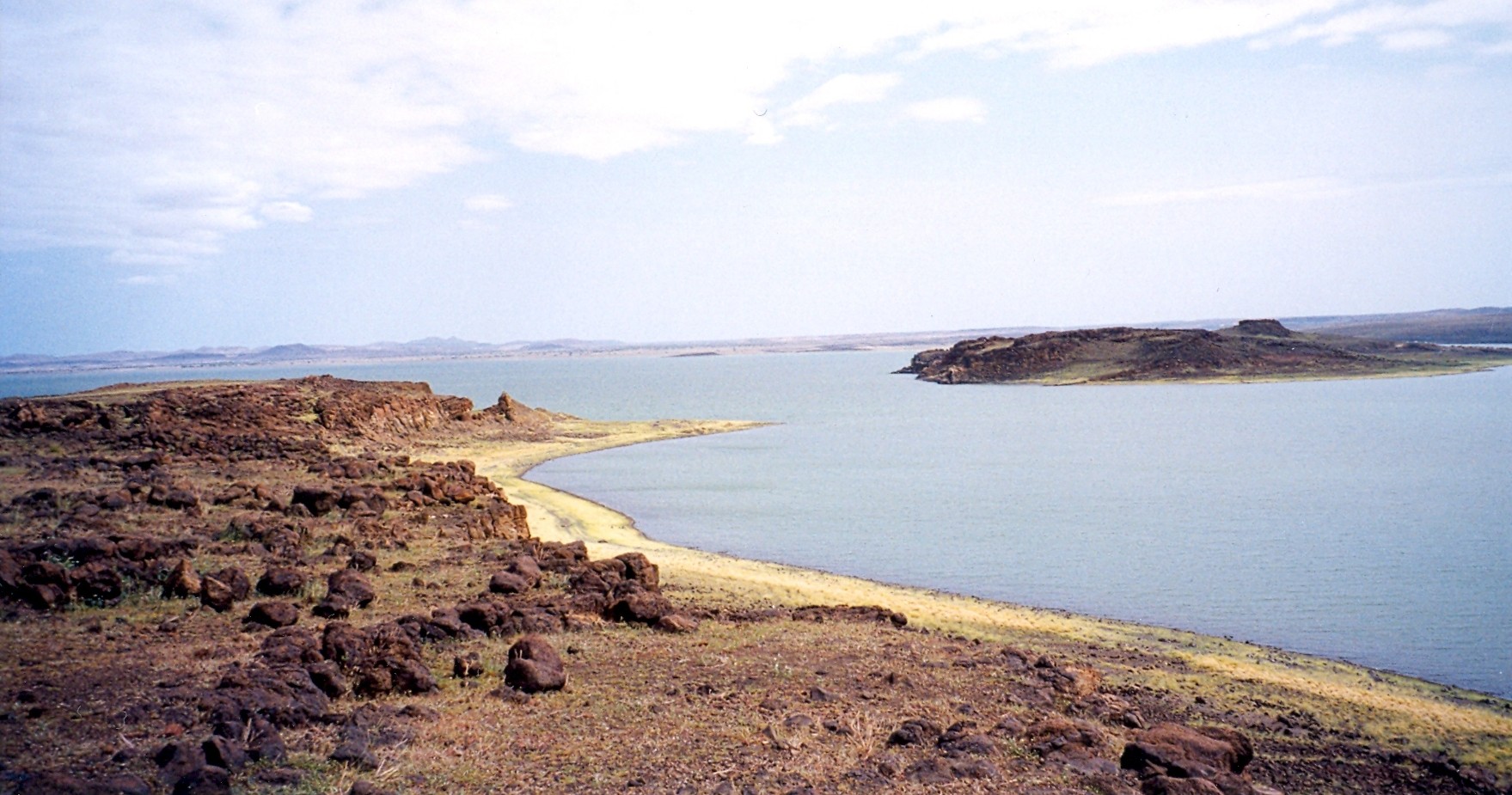
Lake Turkana National Parks are among Kenya's most remarkable protected areas and one of Africa's most significant UNESCO World Heritage Sites. Situated within the Lake Turkana Basin in northern Kenya, the protected area consists of Sibiloi National Park, Central Island National Park, and South Island National Park. Together, these parks protect exceptional wildlife habitats, unique geological landscapes, important archaeological sites, and some of the world's most valuable records of human evolution.
The parks surround Lake Turkana, often referred to as the Jade Sea because of its striking blue-green appearance. As the largest permanent desert lake in the world and the most saline lake in East Africa, Lake Turkana presents an extraordinary natural environment that supports diverse wildlife despite the harsh conditions of the surrounding landscape.
Beyond its ecological importance, Lake Turkana National Parks are internationally recognized for their contribution to the understanding of human ancestry. The nearby Koobi Fora fossil deposits have yielded discoveries that transformed scientific knowledge of human evolution and prehistoric environments, making the region one of the most important human origins landscapes on Earth.
Today, Lake Turkana National Parks attract conservationists, researchers, birdwatchers, archaeologists, photographers, and travelers seeking to explore one of Kenya's most unique natural and cultural heritage destinations.
What Is Lake Turkana National Parks?
Lake Turkana National Parks are a group of three protected areas located around Lake Turkana in northern Kenya. The parks include Sibiloi National Park on the eastern shore of the lake, together with Central Island National Park and South Island National Park located within the lake itself.
Together, the three parks cover approximately 161,485 hectares and form part of the larger Lake Turkana Basin, a region covering millions of hectares across northern Kenya. The protected area preserves important terrestrial and aquatic ecosystems that support diverse wildlife, migratory birds, breeding colonies of Nile crocodiles, and numerous other species adapted to desert conditions.
The parks were inscribed as a UNESCO World Heritage Site because of their outstanding natural and scientific value. They protect habitats of global importance while preserving geological and fossil records that document major stages of Earth's history and human evolution.
Where Is Lake Turkana National Parks Located?
Lake Turkana National Parks are located in northern Kenya within the Lake Turkana Basin, close to Kenya's borders with Ethiopia and South Sudan. The parks occupy one of the most remote and dramatic landscapes in East Africa, characterized by volcanic formations, desert environments, rocky shorelines, and the expansive waters of Lake Turkana.
Lake Turkana extends approximately 249 kilometres from north to south and reaches a maximum width of about 44 kilometres. The lake lies within the eastern branch of the Great Rift Valley and occupies an enclosed basin with limited rainfall, high evaporation rates, and strong seasonal winds.
The unique geographical setting contributes significantly to the ecological and scientific importance of the area. The combination of volcanic activity, sedimentary deposits, and long-term environmental change has created conditions that preserve evidence of prehistoric life while supporting modern wildlife populations.
Its location within the Turkana Basin also places the parks at the center of one of the world's most important regions for studying human origins, paleoenvironments, and evolutionary history.
History of Lake Turkana National Parks
Lake Turkana National Parks were established to protect one of the most extraordinary natural and scientific landscapes in Africa. The protected area encompasses Sibiloi National Park, Central Island National Park, and South Island National Park, safeguarding habitats, geological formations, archaeological resources, and wildlife populations that are of global importance.
For centuries, the Lake Turkana region has supported human communities that adapted to the harsh desert environment surrounding the lake. The area's archaeological significance became increasingly recognized during the twentieth century as scientific research revealed fossil deposits and prehistoric remains that would transform understanding of human evolution.
The establishment of protected areas around Lake Turkana helped preserve these important natural and cultural resources while supporting scientific research and biodiversity conservation. Today, the parks remain among Kenya's most valuable conservation landscapes and continue to attract researchers and visitors from around the world.
Their importance extends beyond national boundaries because the parks protect resources that contribute to global understanding of natural history, ecological processes, and human origins.
Lake Turkana National Parks UNESCO World Heritage Site
Lake Turkana National Parks were inscribed as a UNESCO World Heritage Site in 1997 and later expanded in 2001 because of their exceptional natural and scientific significance. The designation recognizes the area's outstanding contribution to biodiversity conservation, geological history, and the study of human evolution.
UNESCO identified the parks as a property of Outstanding Universal Value because they contain unique ecosystems, important breeding habitats for wildlife, internationally significant fossil deposits, and geological formations that document major stages of Earth's history.
The World Heritage Site includes Sibiloi National Park together with Central Island National Park and South Island National Park. Together, these protected areas preserve habitats that support wildlife populations while safeguarding archaeological and paleontological resources of global importance.
The UNESCO designation has helped increase awareness of the region's significance and reinforced efforts to conserve one of the world's most remarkable natural and cultural landscapes.
Outstanding Universal Value
The Outstanding Universal Value of Lake Turkana National Parks is based on a combination of geological, ecological, and archaeological characteristics that make the area unique on a global scale. Few places in the world contain such a remarkable concentration of natural and scientific resources within a single protected landscape.
The geological formations surrounding Lake Turkana preserve evidence from the Pliocene and Holocene periods, documenting environmental changes that occurred between approximately four million and ten thousand years ago. These formations contain fossil deposits that provide valuable insight into the evolution of species and the development of ancient ecosystems.
The Koobi Fora fossil deposits are particularly important because they contain pre-human, mammalian, molluscan, and other fossil remains that have contributed significantly to the understanding of human ancestry and prehistoric environments. Discoveries made within the Turkana Basin have transformed scientific knowledge of human evolution and continue to influence research worldwide.
The area's ecological diversity is equally significant. Habitats range from desert landscapes and volcanic islands to aquatic environments that support a wide variety of wildlife. These ecosystems provide breeding grounds, feeding areas, and migratory stopovers for numerous species.
Why Lake Turkana Is Called the Jade Sea
Lake Turkana is often referred to as the Jade Sea because of the striking blue-green colour of its waters. The appearance is influenced by sunlight, algae, minerals, and environmental conditions that create a distinctive turquoise hue visible across much of the lake.
The nickname has become one of the lake's most recognizable features and reflects the dramatic contrast between the colourful water and the surrounding volcanic and desert landscapes. Visitors often describe the lake as one of the most visually impressive natural features in Kenya.
The Jade Sea remains a defining symbol of the Lake Turkana region and contributes to the area's reputation as one of Africa's most unique landscapes.
Lake Turkana Facts
Lake Turkana holds several remarkable records that distinguish it from other lakes in Africa and around the world. It is the largest permanent desert lake on Earth and the largest lake within the eastern branch of the Great Rift Valley.
The lake stretches approximately 249 kilometres from north to south and reaches a maximum width of about 44 kilometres. Despite its location within an arid environment, Lake Turkana remains a permanent water body and supports important aquatic and terrestrial ecosystems.
Lake Turkana is also recognized as the most saline of Africa's large lakes. High evaporation rates, limited rainfall, and the enclosed nature of the basin contribute to its unique chemical characteristics.
These environmental conditions have created a natural laboratory that allows scientists to study ecological adaptation, environmental change, wildlife populations, and evolutionary processes within one of Africa's most distinctive ecosystems.
How Was Lake Turkana Formed?
Lake Turkana was formed through geological processes associated with the East African Rift System. Over millions of years, tectonic activity caused sections of the Earth's crust to sink, creating the basin that now contains the lake.
Volcanic activity, faulting, sediment deposition, and climatic changes all contributed to the development of the modern landscape. The region's volcanic islands, lava formations, and sedimentary deposits provide evidence of these geological processes and continue to shape the environment today.
The formation of the lake created conditions that allowed ancient ecosystems to develop and fossils to be preserved within surrounding deposits. As a result, Lake Turkana has become one of the world's most important locations for studying geological history and human evolution.
Its geological significance remains one of the key reasons why Lake Turkana National Parks are recognized internationally as a UNESCO World Heritage Site.
Sibiloi National Park
Sibiloi National Park is the largest and most scientifically important component of Lake Turkana National Parks. Located on the eastern shores of Lake Turkana, the park protects a landscape of volcanic formations, fossil deposits, open plains, and rugged terrain that has become internationally renowned for its contribution to the study of human evolution.
The park is often referred to as the "Cradle of Mankind" because of its association with the world-famous Koobi Fora fossil deposits. These deposits contain some of the most significant evidence of human ancestry ever discovered and have helped scientists reconstruct prehistoric environments that existed millions of years ago.
Sibiloi National Park also supports a variety of wildlife adapted to the harsh desert environment. Visitors may encounter species such as Grevy's zebra, reticulated giraffe, oryx, lions, and numerous bird species that inhabit the region.
The combination of archaeology, paleontology, geology, and wildlife conservation makes Sibiloi National Park one of the most important protected areas in Africa.
Koobi Fora and Human Evolution
One of the most important attractions within the Lake Turkana Basin is the Koobi Fora region, located near Sibiloi National Park. The fossil deposits found here have produced discoveries that transformed scientific understanding of human evolution and prehistoric environments.
Koobi Fora contains rich deposits of mammalian, molluscan, and hominin fossils dating back millions of years. Researchers working in the area have uncovered evidence of ancient human ancestors and extinct animals that once inhabited the Turkana Basin.
The discoveries made at Koobi Fora have contributed more to the understanding of human ancestry and paleo-environments than almost any other fossil site in the world. The area remains one of the most important destinations for researchers studying human origins.
Its presence within the wider Lake Turkana landscape greatly enhances the global significance of the World Heritage Site.
Central Island National Park
Central Island National Park occupies a volcanic island located within Lake Turkana and is one of the most visually striking sections of the World Heritage Site. The island is characterized by rugged volcanic terrain, dramatic crater lakes, and breathtaking views across the Jade Sea.
The island's volcanic origin has created unique habitats that support important wildlife populations. The crater lakes found within Central Island provide breeding areas and refuge for numerous species, particularly Nile crocodiles and water birds.
The park is internationally recognized as one of the most important breeding grounds for the Nile crocodile in Africa. Thousands of crocodiles use the island's shores and surrounding waters, making it one of the largest crocodile breeding sites in the world.
The combination of volcanic landscapes, wildlife habitats, and ecological significance makes Central Island National Park one of the most distinctive protected areas in Kenya.
South Island National Park
South Island National Park is another important component of the Lake Turkana National Parks World Heritage Site. Located within Lake Turkana itself, the island supports important wildlife habitats and serves as a refuge for numerous species.
The island's diverse ecosystems support reptiles, birds, and mammals adapted to the challenging environmental conditions of the Turkana Basin. Its isolation within the lake has helped preserve habitats that are important for breeding and nesting activities.
South Island is particularly significant for bird conservation and has been recognized internationally as an Important Bird Area. Large numbers of resident and migratory birds use the island throughout the year, making it one of the most valuable bird habitats within northern Kenya.
The island's ecological importance contributes significantly to the Outstanding Universal Value of Lake Turkana National Parks.
Why the Three Parks Are Important Together
Although Sibiloi National Park, Central Island National Park, and South Island National Park each possess unique characteristics, their greatest value lies in the way they function together as a single protected landscape. The three parks protect interconnected ecosystems that support wildlife movement, breeding activities, and ecological processes across the Lake Turkana Basin.
Together, they preserve a remarkable range of habitats, including desert environments, volcanic islands, lake ecosystems, fossil deposits, and important breeding grounds. This diversity allows scientists to study ecological relationships while supporting conservation efforts for numerous species.
The three parks also protect some of the world's most important archaeological and paleontological resources. Fossil discoveries from the region continue to provide valuable information about human evolution and environmental change over millions of years.
For these reasons, UNESCO recognizes the combined value of the three parks rather than viewing them as separate conservation areas. Together they form one of the most important natural and scientific heritage landscapes on Earth.
Wildlife of Lake Turkana National Parks
Lake Turkana National Parks support a remarkable variety of wildlife despite the extreme environmental conditions that characterize much of northern Kenya. The combination of lake ecosystems, volcanic islands, desert landscapes, grasslands, and shoreline habitats creates conditions that support numerous species adapted to life in arid environments.
The protected area serves as an important refuge for mammals, reptiles, birds, fish, and other organisms that depend on the resources provided by Lake Turkana and its surrounding habitats. These species play a critical role in maintaining ecological balance within one of Africa's most unique ecosystems.
Because of its ecological diversity, the Lake Turkana Basin is often described as a natural laboratory where scientists can study plant and animal communities adapting to challenging environmental conditions.
The conservation of these habitats ensures the survival of many species while preserving ecological processes that have operated in the region for thousands of years.
Nile Crocodiles of Lake Turkana
One of the most famous wildlife attractions within Lake Turkana National Parks is the Nile crocodile. The lake supports one of the largest populations of Nile crocodiles anywhere in Africa and is internationally recognized as an important breeding ground for the species.
Central Island National Park and South Island National Park provide ideal nesting habitats where crocodiles can breed and raise their young. The combination of warm temperatures, protected shorelines, and abundant aquatic resources creates conditions that support large crocodile populations.
Researchers and conservationists regard Lake Turkana as one of the most significant locations for studying crocodile ecology, behavior, and reproduction. The breeding colonies found within the park contribute substantially to the global conservation of the species.
The presence of these ancient reptiles adds to the ecological importance of Lake Turkana National Parks and enhances their international conservation value.
Hippopotamus in Lake Turkana
Lake Turkana National Parks also provide important habitat for the hippopotamus, one of Africa's most recognizable large mammals. Although the lake's environment is much drier than many traditional hippopotamus habitats, certain areas continue to support healthy populations.
Hippopotamuses spend much of their time in water, emerging mainly during cooler periods to feed on vegetation along the shoreline. Their presence contributes to ecological processes by influencing nutrient cycling and shaping aquatic habitats.
The conservation of shoreline ecosystems within the national parks helps maintain conditions suitable for these large herbivores and supports biodiversity throughout the region.
Together with Nile crocodiles, hippopotamuses represent some of the most important aquatic wildlife species found within the Lake Turkana ecosystem.
Birdlife and Migratory Birds
Lake Turkana National Parks are internationally recognized for their importance to bird conservation. The parks serve as vital breeding grounds, feeding areas, and stopover sites for hundreds of bird species, including both resident and migratory populations.
More than 350 species of aquatic and terrestrial birds have been recorded within the Lake Turkana Basin. These include waterfowl, waders, raptors, shorebirds, and numerous species adapted to desert environments.
The region is particularly important for migratory birds traveling along the African-Eurasian flyway. Each year, large numbers of birds use the lake and surrounding habitats as resting and feeding areas during seasonal migrations between Europe, Asia, and Africa.
Because of its significance to migratory species, the Lake Turkana ecosystem plays an essential role in international bird conservation efforts.
South Island National Park: An Important Bird Area
South Island National Park has been recognized as an Important Bird Area because of its outstanding value for bird conservation. The island provides nesting sites, feeding habitats, and refuge for numerous species throughout the year.
Its isolated location within Lake Turkana helps reduce disturbances and creates favorable conditions for breeding birds. Many species rely on the island's habitats during critical stages of their life cycles.
The designation highlights the international significance of South Island and reinforces the importance of protecting the habitats found within Lake Turkana National Parks.
Birdwatchers visiting the region often consider South Island one of the most rewarding locations for observing aquatic and migratory bird species in Kenya.
Other Wildlife Species
In addition to crocodiles, hippopotamuses, and birds, Lake Turkana National Parks support a variety of terrestrial wildlife species adapted to arid environments. These include mammals such as the reticulated giraffe, Grevy's zebra, lions, and several antelope species.
The parks also support numerous reptiles, including several species of venomous snakes that inhabit the volcanic islands and surrounding mainland habitats. These species contribute to the ecological complexity of the region and play important roles within local food webs.
Fish populations within Lake Turkana provide an additional source of biodiversity and support both wildlife and local communities. The lake's aquatic ecosystems remain essential components of the wider ecological network preserved within the World Heritage Site.
The combination of terrestrial, aquatic, and avian biodiversity makes Lake Turkana National Parks one of Kenya's most ecologically important protected areas.
Why Lake Turkana Is a Natural Laboratory
Scientists often describe Lake Turkana as a natural laboratory because of its unique environmental conditions and exceptional biodiversity. The region provides opportunities to study ecological adaptation, species interactions, migration patterns, and environmental change within one of the world's most unusual ecosystems.
The extreme climate, high salinity, volcanic landscapes, and isolated habitats create conditions that allow researchers to examine how organisms survive and evolve in challenging environments.
Long-term studies conducted in the region have contributed valuable information about wildlife conservation, ecological resilience, and environmental management. These insights continue to inform scientific research and conservation planning both within Kenya and internationally.
The wildlife of Lake Turkana National Parks therefore represents not only a conservation resource but also an important scientific asset that supports ongoing research into the natural world.
Lake Turkana and Human Evolution
Beyond its extraordinary wildlife and landscapes, Lake Turkana National Parks hold a special place in the story of human evolution. The Lake Turkana Basin contains some of the most important fossil deposits ever discovered and has contributed significantly to scientific understanding of human ancestry.
For more than half a century, researchers have worked within the Turkana Basin uncovering fossils that reveal how early human ancestors lived, evolved, and adapted to changing environments. These discoveries have transformed scientific knowledge of human origins and established the region as one of the most important paleoanthropological landscapes in the world.
The geological formations surrounding Lake Turkana preserve millions of years of evolutionary history. Fossils recovered from these deposits continue to provide valuable evidence about ancient ecosystems, extinct animals, and the development of early hominins.
Today, the Lake Turkana Basin remains one of the world's leading centers for human origins research and continues to attract scientists from across the globe.
Koobi Fora: One of the World's Most Important Fossil Sites
Among the most significant locations within the Lake Turkana Basin is Koobi Fora, an internationally renowned fossil site situated near Sibiloi National Park. The deposits found at Koobi Fora contain an extraordinary concentration of prehistoric remains that have played a major role in understanding human evolution.
Researchers have recovered fossils of early hominins, mammals, reptiles, fish, and numerous other species from the area. These discoveries provide a detailed record of life that existed millions of years ago and help scientists reconstruct ancient environments within the Turkana Basin.
Koobi Fora has yielded evidence associated with several important hominin species and remains one of the richest fossil localities ever discovered. The scientific importance of the site continues to grow as new discoveries emerge from ongoing research programmes.
Few places on Earth have contributed as much to the understanding of human ancestry as the fossil deposits preserved within Koobi Fora.
Fossil Discoveries That Changed Science
The Lake Turkana Basin has produced some of the most significant fossil discoveries in the history of paleoanthropology. Fossils recovered from the region have helped researchers understand the evolutionary relationships between different hominin species and the environmental conditions in which they lived.
These discoveries have provided evidence for important stages in human evolution, including changes in anatomy, behavior, diet, and adaptation. Scientists use these fossils to trace the evolutionary pathways that eventually led to modern humans.
In addition to hominin remains, the fossil deposits contain evidence of ancient animals and ecosystems that once flourished within the Turkana Basin. This broader record helps researchers understand how environmental change influenced evolutionary processes over millions of years.
The discoveries continue to influence scientific research worldwide and remain central to discussions about the origins of humanity.
Reconstructing Ancient Environments
One of the reasons the Lake Turkana Basin is so valuable to scientists is its ability to preserve evidence of ancient environments. Fossils, sedimentary deposits, volcanic layers, and geological formations allow researchers to reconstruct ecosystems that existed millions of years ago.
By studying these records, scientists can determine how climate, vegetation, water resources, and wildlife changed over time. These environmental reconstructions help explain how ancient species adapted to changing conditions and why certain evolutionary developments occurred.
The ability to connect fossil discoveries with environmental evidence makes Lake Turkana one of the most important locations in the world for studying the relationship between evolution and climate change.
This research continues to provide valuable insight into both the history of life on Earth and the environmental challenges faced by ancient species.
Why Scientists Call Lake Turkana a Living Laboratory
Researchers often describe the Lake Turkana Basin as a living laboratory because it offers a unique opportunity to study both past and present ecological processes. The region contains exceptional records of geological history, biodiversity, environmental change, and human evolution within a single landscape.
The combination of fossil deposits, volcanic formations, wildlife habitats, and active scientific research creates conditions that are rarely found elsewhere in the world. Scientists can investigate how ecosystems function today while simultaneously examining evidence from millions of years ago.
This remarkable continuity allows researchers to better understand long-term environmental change and the evolutionary processes that shaped life on Earth.
The knowledge gained from Lake Turkana continues to influence scientific disciplines ranging from paleoanthropology and geology to ecology and conservation biology.
Why Lake Turkana National Parks Matter Globally
Lake Turkana National Parks are far more than protected wildlife areas. They represent a globally significant heritage landscape where biodiversity conservation, geological history, and human evolution intersect. The parks protect resources that are important not only to Kenya but also to the entire world.
The fossil discoveries made within the Turkana Basin have helped answer fundamental questions about human origins, while the region's ecosystems continue to support important wildlife populations and ecological processes.
Together, these natural and scientific resources make Lake Turkana National Parks one of the most valuable World Heritage Sites on Earth. Their preservation ensures that future generations will continue to benefit from the knowledge, biodiversity, and cultural significance contained within this extraordinary landscape.
As research continues and new discoveries emerge, the global importance of Lake Turkana National Parks is likely to grow even further, reinforcing their status as one of humanity's most important natural and scientific treasures.
Things to Do at Lake Turkana National Parks
Lake Turkana National Parks offer visitors a rare opportunity to experience one of Africa's most unique landscapes. The combination of UNESCO World Heritage status, wildlife, geological formations, volcanic islands, and world-famous fossil sites makes the area unlike any other destination in Kenya.
Whether visiting for scientific interest, photography, wildlife viewing, or cultural exploration, the Lake Turkana Basin provides unforgettable experiences within one of the world's most extraordinary natural environments.
Explore Sibiloi National Park
Sibiloi National Park is often the highlight of a visit to Lake Turkana National Parks. Visitors can explore dramatic landscapes, fossil-rich deposits, and the internationally significant Koobi Fora region while learning about the area's role in human evolution.
Discover Central Island National Park
Central Island National Park offers spectacular volcanic scenery, crater lakes, and important crocodile breeding habitats. The island provides excellent opportunities for photography and wildlife observation.
Visit South Island National Park
South Island National Park is known for its birdlife, volcanic landscapes, and peaceful environment. The island is particularly attractive to birdwatchers interested in observing resident and migratory species.
Bird Watching
Lake Turkana is one of East Africa's most important bird habitats. Visitors can observe a variety of aquatic birds, migratory species, raptors, and shoreline birds throughout the year.
Wildlife Viewing
The parks support Nile crocodiles, hippopotamuses, reticulated giraffes, Grevy's zebras, lions, and numerous other species adapted to the challenging desert environment.
Photography
The dramatic contrast between volcanic landscapes, desert terrain, and the turquoise waters of the Jade Sea creates exceptional opportunities for landscape and wildlife photography.
Best Time to Visit Lake Turkana National Parks
Lake Turkana National Parks can be visited throughout the year due to the region's generally dry climate. However, conditions can be extremely hot, particularly during the middle of the day.
Many visitors prefer cooler months when temperatures are more comfortable for exploration and outdoor activities. Early mornings and late afternoons generally provide the best conditions for wildlife viewing and photography.
Birdwatchers may find certain periods particularly rewarding when migratory bird species pass through the region. Researchers and photographers often choose seasons based on specific scientific or wildlife interests.
Regardless of the season, visitors should prepare for arid conditions and carry sufficient water while exploring the Lake Turkana Basin.
Frequently Asked Questions About Lake Turkana National Parks
What are Lake Turkana National Parks?
Lake Turkana National Parks consist of Sibiloi National Park, Central Island National Park, and South Island National Park, forming a UNESCO World Heritage Site in northern Kenya.
Where are Lake Turkana National Parks located?
The parks are located within the Lake Turkana Basin in northern Kenya near the borders of Ethiopia and South Sudan.
Why is Lake Turkana famous?
Lake Turkana is famous for being the largest permanent desert lake in the world, a UNESCO World Heritage Site, and one of the most important regions for human origins research.
Why is Lake Turkana called the Jade Sea?
The lake is called the Jade Sea because of its striking blue-green colour, which contrasts dramatically with the surrounding desert landscape.
How deep is Lake Turkana?
Lake Turkana reaches a maximum depth of approximately 30 metres.
How was Lake Turkana formed?
Lake Turkana was formed through tectonic activity associated with the East African Rift System, combined with volcanic activity and sedimentary processes over millions of years.
What wildlife can be found at Lake Turkana National Parks?
Wildlife includes Nile crocodiles, hippopotamuses, reticulated giraffes, Grevy's zebras, lions, numerous bird species, reptiles, and fish.
What is Koobi Fora?
Koobi Fora is a world-famous fossil site near Sibiloi National Park that has produced discoveries critical to understanding human evolution and prehistoric environments.
Why is Lake Turkana important for human evolution?
The Lake Turkana Basin contains fossil deposits that have contributed significantly to understanding human ancestry and environmental change over millions of years.
Is Lake Turkana a UNESCO World Heritage Site?
Yes. Lake Turkana National Parks were inscribed as a UNESCO World Heritage Site in 1997 and expanded in 2001 because of their outstanding natural and scientific value.
Conclusion
Lake Turkana National Parks represent one of the most extraordinary protected landscapes in Africa. Combining exceptional wildlife habitats, volcanic islands, globally important fossil deposits, and breathtaking desert scenery, the parks provide a unique window into both the natural world and the story of human evolution.
From the fossil-rich deposits of Koobi Fora and the archaeological significance of Sibiloi National Park to the crocodile breeding grounds of Central Island and the bird habitats of South Island, every part of the World Heritage Site contributes to its Outstanding Universal Value.
The parks continue to serve as a refuge for wildlife, a destination for scientific research, and a symbol of Kenya's remarkable natural and cultural heritage. Their importance extends far beyond national boundaries, contributing to global understanding of biodiversity, geology, and human ancestry.
As one of the world's most significant UNESCO World Heritage Sites, Lake Turkana National Parks remain a place of discovery, conservation, and inspiration for future generations.