
Kariandusi Museum
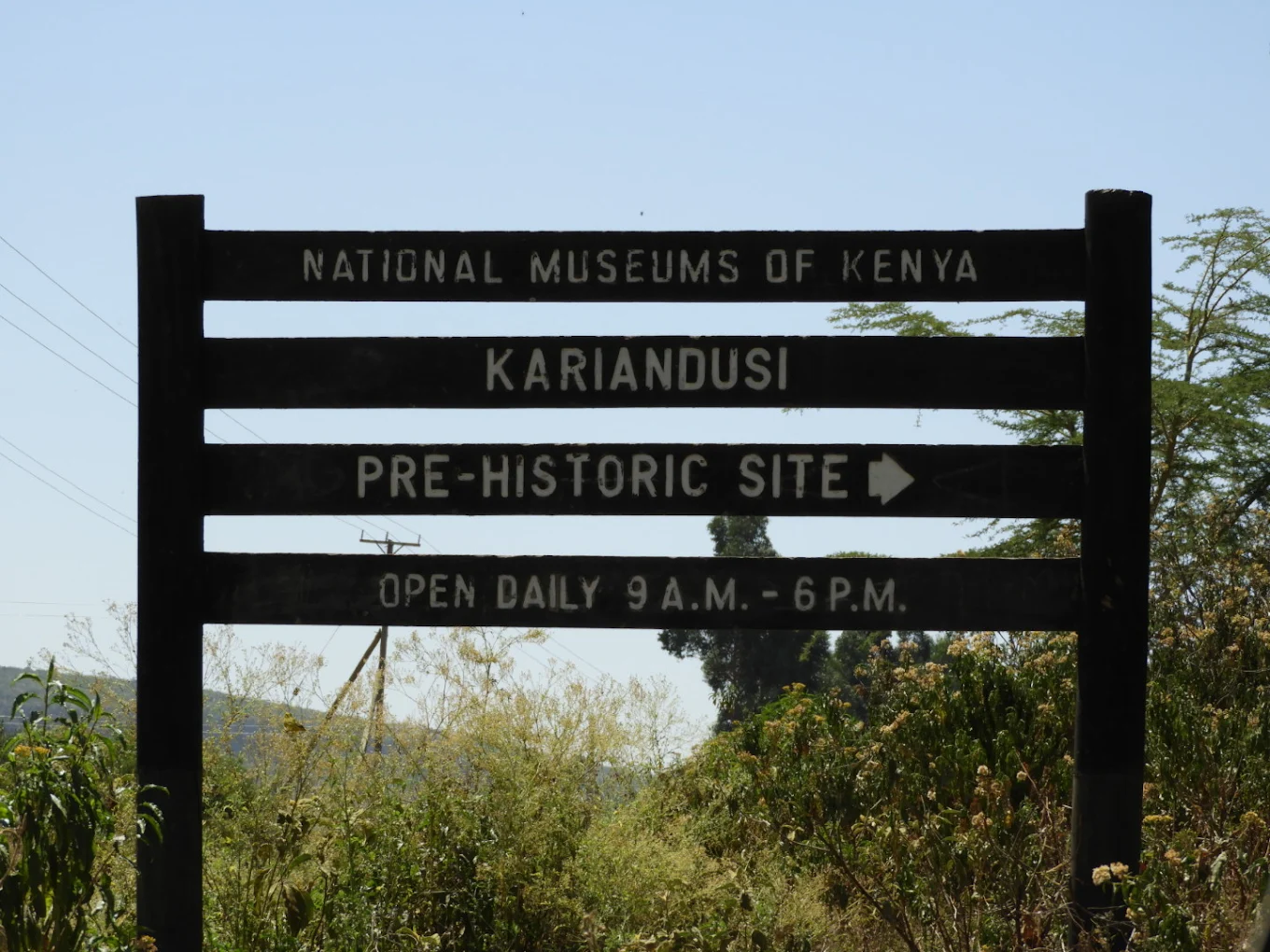
Kariandusi Museum is one of the most significant archaeological museums in Kenya and one of the most important prehistoric heritage sites in Africa. Located near Lake Elementaita in Nakuru County within Kenya's Great Rift Valley, the museum preserves extraordinary evidence of early human life dating between approximately 700,000 and one million years ago. The site is internationally recognized for its contribution to the study of human evolution and remains one of the earliest documented Lower Paleolithic archaeological sites in East Africa.
For generations, the Great Rift Valley has fascinated scientists because of its rich geological history and its connection to the origins of humanity. Kariandusi occupies a special place within this story. The prehistoric stone tools discovered here provide direct evidence of the technological abilities of early humans and offer valuable insight into how our ancestors adapted to changing environments long before written history began. These discoveries continue to influence archaeological research and contribute to our understanding of the development of human intelligence, innovation, and survival.
The landscape surrounding Kariandusi Museum is as remarkable as the archaeological discoveries themselves. Geological evidence indicates that large prehistoric lakes once occupied much of the basin around present-day Lake Elementaita and Lake Nakuru. During different periods in prehistory, water levels were significantly higher than they are today, creating an environment rich in wildlife, vegetation, and natural resources. These favorable conditions attracted early human communities and helped transform the region into an important center of prehistoric activity.
Today, Kariandusi Museum offers visitors a unique opportunity to explore both a museum and an active archaeological heritage landscape. Museum galleries, preserved excavation areas, nature trails, scenic viewpoints, birdwatching opportunities, picnic sites, and educational exhibits work together to create an engaging visitor experience. Whether someone is interested in archaeology, history, geology, conservation, or tourism, Kariandusi provides a fascinating journey into Kenya's distant past.
The museum also plays an important role in preserving Kenya's heritage for future generations. Through conservation programmes, educational initiatives, and scientific research, Kariandusi Museum helps ensure that one of humanity's earliest stories remains accessible to students, researchers, and visitors from around the world. The site serves as a reminder that some of the most important chapters in the history of humankind were written on African soil and that Kenya remains one of the world's most important destinations for the study of human origins.
Visitors to Kariandusi quickly discover that the site is much more than a collection of ancient stone tools. It is a place where archaeology, geology, environmental history, and cultural heritage intersect. By preserving these resources and presenting them to the public, the museum enables modern audiences to connect with a period of history that stretches back hundreds of thousands of years and provides a deeper appreciation of humanity's remarkable journey.
What Is Kariandusi Museum?
Kariandusi Museum is a site museum managed by the National Museums of Kenya and developed around the internationally important Kariandusi Prehistoric Site. The museum was established to preserve archaeological discoveries, protect the surrounding heritage landscape, support scientific research, and educate the public about one of Africa's most significant prehistoric locations.
Unlike many museums where collections are displayed far from their place of discovery, Kariandusi allows visitors to explore archaeological exhibits while also experiencing the original landscape where the discoveries were made. This direct connection between artifacts and site creates a richer educational experience and helps visitors better understand the context in which early humans lived and worked.
The museum's collections focus primarily on prehistoric stone tools associated with the Acheulean culture. These include hand axes, cleavers, cutting tools, and stone flakes produced during the manufacturing process. Together, these artifacts reveal the remarkable technological skills of prehistoric communities and demonstrate how early humans used tools to adapt to their environment and improve their chances of survival.
In addition to archaeology, the museum interprets the geological history of the Great Rift Valley and explains how environmental changes influenced human settlement patterns over hundreds of thousands of years. Visitors learn about ancient lakes, volcanic activity, climate fluctuations, and the natural processes that shaped the landscape visible today.
As an educational institution, Kariandusi Museum regularly hosts students, researchers, heritage enthusiasts, and tourists. Through exhibitions, guided tours, school programmes, and conservation initiatives, the museum continues to promote awareness of Kenya's archaeological heritage and the importance of preserving prehistoric sites for future generations.
History of Kariandusi Museum
The history of Kariandusi Museum is closely connected to the growth of archaeological research in East Africa during the twentieth century. As scientists began investigating the geological formations of the Great Rift Valley, they discovered that the region contained valuable evidence relating to prehistoric environments and human evolution. Ancient deposits exposed by natural erosion revealed traces of human activity stretching back hundreds of thousands of years and attracted growing international interest.
Kariandusi emerged as one of the most important archaeological discoveries in the region after prehistoric stone tools were identified within the area in 1928. The significance of these findings quickly became apparent because they represented some of the earliest evidence of human technological activity documented in East Africa. Archaeologists recognized that the site had the potential to transform understanding of prehistoric life and provide important insights into the development of early human societies.
Subsequent investigations uncovered large numbers of Acheulean stone tools preserved within ancient geological deposits. These discoveries demonstrated that prehistoric communities had repeatedly occupied the area and used locally available raw materials to manufacture tools essential for hunting, food processing, and everyday survival. The exceptional preservation of the artifacts established Kariandusi as one of Africa's most important Lower Paleolithic archaeological sites.
Over the decades, continued archaeological research strengthened the site's international reputation and highlighted the need for long-term protection. The National Museums of Kenya subsequently developed Kariandusi as a protected heritage site and museum where archaeological discoveries could be preserved, studied, and shared with the public.
Today, Kariandusi Museum remains a leading center for archaeological education, heritage conservation, and scientific research. Its collections and landscapes continue to attract visitors from across Kenya and around the world, ensuring that one of humanity's earliest stories remains accessible to future generations. ```html
Discovery of Kariandusi by Louis Leakey
The international significance of Kariandusi Museum is closely linked to the pioneering work of Louis Leakey, one of the most influential archaeologists and paleoanthropologists of the twentieth century. During the 1920s, scientific knowledge about prehistoric East Africa was still limited, and many researchers focused their attention on Europe and Asia when studying early human history. Leakey believed that Africa held crucial evidence about humanity's origins and devoted much of his career to exploring the archaeological potential of the continent.
In 1928, while conducting archaeological investigations within the Rift Valley, Leakey identified large concentrations of prehistoric stone tools in the Kariandusi area near Lake Elementaita. The discovery immediately attracted scientific attention because the artifacts were found within ancient geological deposits and appeared to be preserved close to their original location. This provided researchers with an opportunity to study prehistoric human activity within its environmental context.
As excavations continued, archaeologists recovered hundreds of stone tools representing different stages of manufacture and use. The quantity of artifacts discovered at Kariandusi was remarkable and suggested that prehistoric communities had occupied the area repeatedly over long periods of time. The site quickly became recognized as one of the most important archaeological localities in East Africa and helped establish Kenya as a key region for the study of human evolution.
Leakey's work at Kariandusi contributed significantly to global understanding of prehistoric technology and demonstrated that East Africa possessed archaeological resources equal in importance to those found anywhere else in the world. His discoveries helped lay the foundation for future archaeological research throughout the Rift Valley and strengthened scientific interest in Africa's role in human history.
Why Louis Leakey Believed Kariandusi Was a Tool-Making Site
One of the most important observations made by Louis Leakey was the extraordinary concentration of stone artifacts at Kariandusi. The site contained finished tools, broken tools, partially completed implements, and large quantities of stone flakes produced during the manufacturing process. This combination of materials suggested that prehistoric humans were not merely using tools at the site but were actively producing them there.
Based on this evidence, Leakey proposed that Kariandusi functioned as a prehistoric tool-making site or workshop. Early humans appear to have selected suitable stone materials from the surrounding environment and shaped them into tools designed for specific purposes. The abundance of manufacturing debris indicates that tool production occurred on a large scale and over an extended period.
The location itself offered several advantages. Nearby water sources, access to raw materials, and favorable environmental conditions would have made the area attractive to prehistoric communities. These factors likely contributed to repeated occupation of the site and explain why so many artifacts accumulated within the archaeological deposits.
Although research has continued to refine interpretations of the site, Leakey's observations remain an important part of Kariandusi's archaeological significance and continue to influence how researchers understand prehistoric human behavior in East Africa.
The Acheulean Hand-Axe Culture
Kariandusi Museum is internationally famous for its association with the Acheulean culture, one of the longest-lasting and most successful technological traditions in human history. The Acheulean period is characterized by the production of carefully shaped stone tools, particularly hand axes and cleavers, which were used by early humans across large parts of Africa, Europe, and Asia.
The Acheulean tradition first emerged in Africa more than one million years ago and continued for hundreds of thousands of years. During this period, early humans developed increasingly sophisticated methods for selecting, shaping, and using stone tools. The artifacts discovered at Kariandusi represent some of the finest examples of Acheulean technology found in East Africa.
What makes Acheulean tools particularly impressive is their symmetry and craftsmanship. Producing these tools required planning, skill, and an understanding of how stone fractures when struck. Toolmakers had to visualize the final shape before beginning the manufacturing process and carefully remove flakes to achieve the desired form.
The discoveries at Kariandusi demonstrate that early humans possessed significant technological abilities and were capable of creating effective tools that improved their ability to survive in challenging environments.
What Is an Acheulean Hand Axe?
The hand axe is the most recognizable artifact associated with the Acheulean culture and one of the most important discoveries at Kariandusi. Unlike modern axes, Acheulean hand axes were not attached to wooden handles. Instead, they were held directly in the hand and used for a wide range of activities.
Archaeologists believe that these versatile tools were used for cutting meat, processing animal hides, chopping vegetation, digging for roots, breaking bones, and preparing materials needed for daily survival. Their effectiveness made them one of the most successful technological innovations of prehistoric times.
The hand axes recovered from Kariandusi display remarkable craftsmanship and provide evidence of advanced cognitive abilities among the people who produced them. Their symmetrical shapes and carefully sharpened edges suggest that prehistoric toolmakers possessed a clear understanding of design, efficiency, and functionality.
Today, these tools remain among the most important archaeological artifacts displayed at Kariandusi Museum and continue to fascinate researchers and visitors alike.
How Old Is the Kariandusi Archaeological Site?
One of the most frequently asked questions about Kariandusi concerns its age. Scientific investigations indicate that the archaeological deposits at Kariandusi date between approximately 700,000 and one million years ago. This extraordinary antiquity places the site among the oldest archaeological attractions accessible to visitors in Kenya.
The age of the site makes it particularly important because it represents a period when early humans were developing more advanced technologies and adapting to changing environmental conditions. The tools preserved at Kariandusi provide valuable evidence of these developments and allow researchers to study human innovation during the Lower Paleolithic period.
Few archaeological sites in East Africa preserve such extensive evidence from this era. As a result, Kariandusi continues to play a major role in scientific research relating to prehistoric technology, human evolution, and environmental history.
Its age alone makes Kariandusi one of the most remarkable heritage destinations in Kenya and a place of global archaeological importance.
Why Is Kariandusi Important?
Kariandusi is important because it provides direct evidence of early human technological achievement during a crucial period in human evolution. The stone tools discovered at the site reveal how prehistoric communities adapted to their environment, developed new skills, and improved their ability to obtain food and other resources.
The site also demonstrates the importance of Kenya and the wider Rift Valley in the story of human origins. Discoveries made at Kariandusi have contributed to international understanding of prehistoric life and helped establish East Africa as one of the world's most important regions for archaeological research.
Beyond its scientific significance, Kariandusi serves as an educational resource that enables visitors to engage directly with humanity's distant past. Through exhibitions, guided tours, and preserved archaeological landscapes, the museum helps people appreciate the achievements of early humans and understand the long journey that eventually led to modern civilization.
For Kenya, Kariandusi represents a priceless national heritage asset and an enduring reminder of the country's contribution to global knowledge about human evolution and prehistoric history.
Ancient Lakes and the Geological History of Kariandusi
The archaeological significance of Kariandusi cannot be fully understood without considering the remarkable geological history of the Great Rift Valley. Long before modern Lake Elementaita and Lake Nakuru assumed their present forms, this region was dominated by much larger prehistoric lakes that occupied extensive areas of the Rift Valley floor. Geological studies conducted around Kariandusi have revealed evidence that ancient lake levels once stood hundreds of metres higher than those visible today.
These ancient lakes created fertile environments that attracted wildlife, vegetation, and human populations. Access to water and food resources made the region particularly suitable for prehistoric settlement. As a result, early humans repeatedly occupied the area and left behind the stone tools that would eventually be discovered by archaeologists centuries later.
Over thousands of years, climatic changes altered the landscape dramatically. Periods of increased rainfall caused lake levels to rise, while drier conditions led to shrinking water bodies and environmental transformation. These changes influenced animal migrations, vegetation patterns, and the movement of human populations throughout the Rift Valley.
Scientists believe that one major rise in lake levels may have forced prehistoric inhabitants to abandon parts of the Kariandusi area. In their departure, many tools and implements were left behind and gradually buried by sediments. This process contributed significantly to the exceptional preservation of the archaeological record that visitors see today.
The geological story of Kariandusi therefore provides important context for understanding the lives of the people who once occupied the area and explains why the site remains one of East Africa's most important prehistoric landscapes.
Kariandusi Museum Exhibition Hall
The Museum Exhibition Hall serves as the primary interpretive center for visitors exploring Kariandusi Museum. Designed to provide both educational and scientific information, the exhibition hall presents archaeological discoveries in a manner that is accessible to students, researchers, tourists, and members of the general public.
Inside the gallery, visitors can view collections of prehistoric stone tools recovered from the site, including hand axes, cleavers, cutting implements, and manufacturing debris associated with Acheulean technology. These artifacts provide direct evidence of the skills and ingenuity of early human toolmakers who lived in the region hundreds of thousands of years ago.
Interpretive displays explain how archaeologists investigate prehistoric sites, analyze artifacts, and reconstruct ancient environments. Visitors learn about the scientific methods used to date archaeological deposits and understand the significance of discoveries made at Kariandusi.
The exhibition hall also highlights the geological history of the Rift Valley and the environmental changes that shaped human settlement patterns over time. Through photographs, maps, illustrations, and educational panels, the museum helps visitors appreciate the broader context of the archaeological discoveries.
For many visitors, the exhibition hall provides the foundation for understanding the site before exploring the surrounding archaeological landscape and outdoor attractions.
Kariandusi Archaeological Site
One of the most distinctive features of Kariandusi Museum is the opportunity to visit the original archaeological site where many of the famous discoveries were made. Unlike museums that display artifacts removed entirely from their place of origin, Kariandusi allows visitors to experience the actual landscape where prehistoric humans once lived and manufactured tools.
The preserved excavation areas provide insight into the work of archaeologists and demonstrate how evidence is uncovered, documented, and interpreted. Visitors can observe the geological layers that contain archaeological materials and gain a deeper understanding of the relationship between artifacts and their surrounding environment.
Standing within the archaeological site creates a unique connection with the distant past. It allows visitors to imagine the activities that once took place in the area and appreciate the significance of discoveries that transformed understanding of human evolution in East Africa.
The site remains an important resource for research and education and continues to attract scholars interested in prehistoric technology, archaeology, geology, and environmental history.
Kariandusi Museum Nature Trail
Beyond its archaeological importance, Kariandusi Museum also offers visitors opportunities to experience the natural beauty of the Rift Valley through a well-established nature trail. The trail provides access to scenic landscapes and allows visitors to explore the diverse environment that surrounds the archaeological site.
Walking along the trail offers opportunities to observe indigenous vegetation, geological formations, and local wildlife while learning about the environmental conditions that influenced prehistoric settlement. The route helps visitors understand how natural resources shaped the lives of early human communities and why the area was attractive for occupation.
The nature trail is particularly popular among school groups, photographers, birdwatchers, and visitors seeking a more immersive outdoor experience. Interpretive information along the route helps connect the archaeological story of Kariandusi with the broader environmental history of the Rift Valley.
The trail also encourages appreciation of conservation and highlights the importance of protecting both cultural and natural heritage resources for future generations.
The Gorge at Kariandusi
One of the most impressive natural features within the Kariandusi landscape is the gorge that cuts through the surrounding terrain. This dramatic geological formation provides visitors with an opportunity to observe the natural processes that have shaped the Rift Valley over long periods of time.
The gorge exposes geological layers that help scientists understand the environmental history of the area. These layers contain valuable information about ancient climates, volcanic activity, sedimentation, and landscape evolution. For geologists and archaeologists, such exposures are important sources of scientific evidence.
Visitors are often drawn to the gorge because of its scenic beauty and excellent photographic opportunities. The views reveal the scale and complexity of the Rift Valley landscape and provide a striking reminder of the geological forces that have shaped East Africa.
The gorge also contributes to the educational value of the museum by demonstrating how natural processes create and preserve archaeological sites over thousands of years.
Bird Watching at Kariandusi Museum
Kariandusi Museum is also an attractive destination for birdwatching enthusiasts. Its location near Lake Elementaita and within the Rift Valley ecosystem provides favorable conditions for a wide variety of resident and migratory bird species.
Visitors exploring the museum grounds and surrounding landscapes frequently encounter different bird species inhabiting the area's grasslands, woodlands, wetlands, and lakeshore environments. The diversity of habitats supports an equally diverse bird population, making the site appealing to both casual observers and dedicated birdwatchers.
Birdwatching complements the archaeological experience by highlighting the natural heritage that continues to characterize the region. Many visitors combine visits to Kariandusi Museum with excursions to nearby Lake Elementaita and other Rift Valley birding destinations.
The opportunity to experience archaeology, geology, wildlife, and scenic landscapes within a single location is one of the reasons why Kariandusi remains one of Kenya's most rewarding heritage attractions.
Kariandusi Museum Picnic Site and Outdoor Recreation
The museum grounds include picnic areas where visitors can relax and enjoy the tranquil environment surrounding the archaeological site. These facilities make Kariandusi an attractive destination for families, educational groups, and travelers exploring the Rift Valley region.
The picnic areas are situated within a landscape that combines heritage, nature, and scenic beauty. Visitors often use these spaces to rest after exploring the exhibition hall, archaeological site, nature trail, and geological attractions.
The availability of outdoor recreational facilities helps broaden the museum's appeal and encourages longer visits. Families can enjoy educational experiences while also appreciating the natural surroundings that make Kariandusi unique.
Together, the archaeological site, exhibition hall, nature trail, gorge, birdwatching opportunities, and picnic facilities create a well-rounded visitor experience that combines learning, recreation, and heritage appreciation.
Kariandusi Museum Opening Hours
Kariandusi Museum welcomes visitors throughout the week and offers ample time to explore the archaeological site, museum exhibition hall, nature trail, gorge, picnic grounds, and birdwatching areas. Visitors are encouraged to arrive early to fully appreciate the museum and its outdoor attractions.
Opening Days:
Monday – Sunday
Opening Hours:
8:00 AM – 6:00 PM
Public Holidays:
Open during most public holidays unless otherwise communicated by the National Museums of Kenya.
Kariandusi Museum Entry Fees
Entry fees for Kariandusi Museum are determined by the National Museums of Kenya and help support conservation, archaeological research, site maintenance, visitor services, educational programmes, and heritage preservation activities.
Visitors are encouraged to check the latest museum admission rates before planning their visit.
Buy Kariandusi Museum Tickets Online
Visitors can conveniently purchase tickets online before arriving at the site through the official National Museums of Kenya eCitizen ticketing platform.
Buy Kariandusi Museum Tickets Online
Kariandusi Museum Contact Information
Curator
Wyne Kemei
Telephone:
+254 720 390 697
Managed By:
National Museums of Kenya
Location:
Kariandusi Prehistoric Site, near Lake Elementaita, Nakuru County, Kenya
Frequently Asked Questions About Kariandusi Museum
What is Kariandusi Museum?
Kariandusi Museum is an archaeological site museum managed by the National Museums of Kenya that preserves one of East Africa's most important Lower Paleolithic archaeological sites dating between approximately 700,000 and one million years ago.
Where is Kariandusi Museum located?
Kariandusi Museum is located near Lake Elementaita in Nakuru County within Kenya's Great Rift Valley.
How old is the Kariandusi archaeological site?
Scientific studies estimate that the Kariandusi archaeological site dates between approximately 700,000 and one million years old, making it one of the oldest prehistoric sites open to visitors in Kenya.
Who discovered Kariandusi?
Kariandusi was discovered in 1928 by the renowned archaeologist and paleoanthropologist Louis Leakey during his early archaeological investigations in East Africa.
What can visitors see at Kariandusi Museum?
Visitors can explore the archaeological site, museum exhibition hall, prehistoric stone tools, nature trail, picnic site, gorge, birdwatching areas, and scenic Rift Valley landscapes.
What are Kariandusi Museum opening hours?
Kariandusi Museum is generally open daily from 8:00 AM to 6:00 PM, including most public holidays.
How much is the Kariandusi Museum entry fee?
Museum entry fees are periodically reviewed by the National Museums of Kenya. Visitors should check the latest admission rates before visiting.
Can I buy Kariandusi Museum tickets online?
Yes. Visitors can purchase tickets online through the official National Museums of Kenya eCitizen ticketing portal.
See Also
- Explore Gede Museum and discover one of East Africa's most important medieval Swahili settlements.
- Visit Lamu Museum and learn about the history, culture, and heritage of the Swahili Coast.
- Explore Rabai Museum and discover the origins of Christianity and modern education in Kenya.
- Learn about the Kapenguria Six and Kenya's struggle for independence at Kapenguria Museum.
Follow National Museums of Kenya
Stay connected with the National Museums of Kenya for updates on exhibitions, archaeological discoveries, conservation projects, educational programmes, heritage events, and museum activities across Kenya.
Facebook Instagram X (Twitter)
Follow National Museums of Kenya on social media to discover upcoming events, new exhibitions, research updates, and opportunities to explore Kenya's rich cultural and natural heritage.