Kapenguria Museum
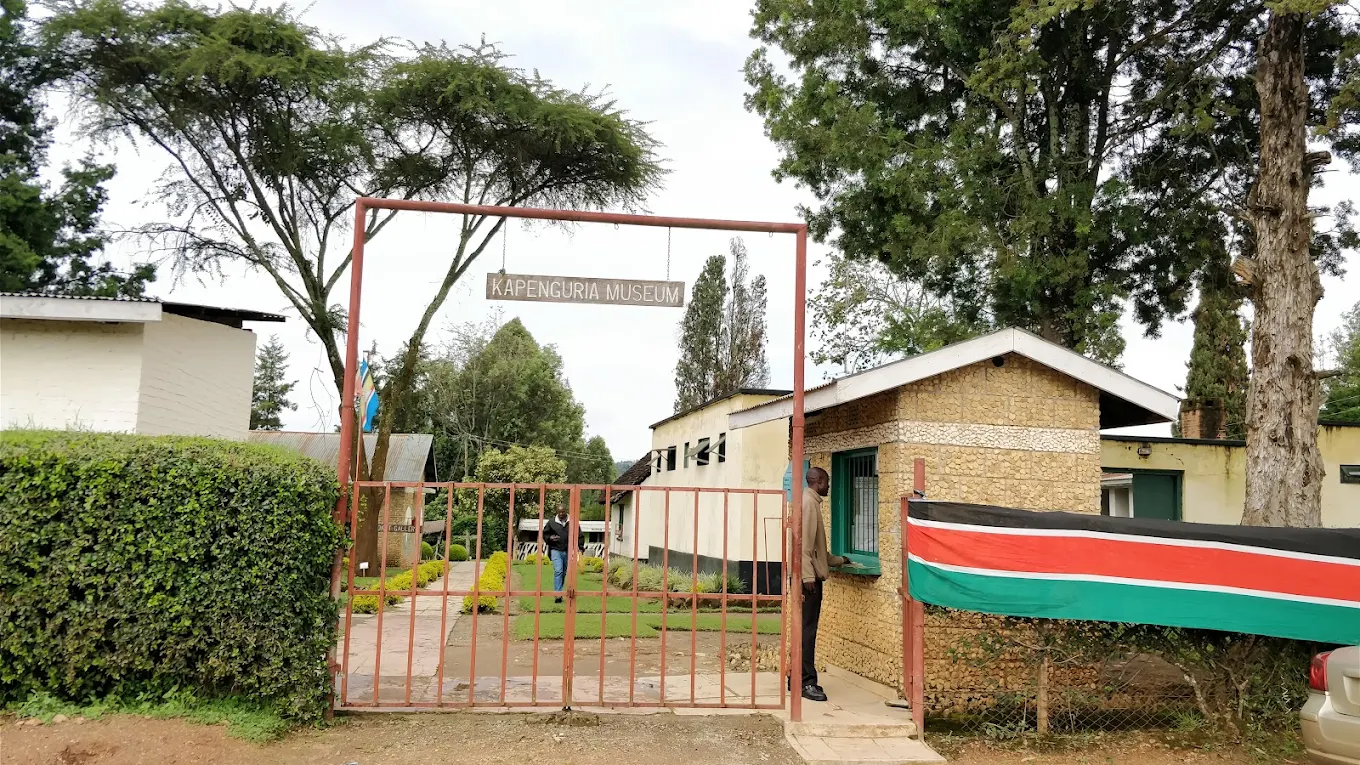
Kapenguria Museum is one of Kenya's most important historical museums and a powerful symbol of the country's struggle for independence. Located approximately five kilometres from Makutano town in West Pokot County, just off the Kitale–Lodwar Highway, the museum occupies the former prison compound where six of Kenya's most influential nationalist leaders were detained and tried during the colonial era.
Officially opened to the public in 1993, the museum stands at the very site where Mzee Jomo Kenyatta, Bildad Kaggia, Paul Ngei, Fred Kubai, Kungu Karumba, and Ramogi Achieng Oneko were imprisoned following their arrest in 1952. These leaders later became known collectively as the Kapenguria Six, and their detention remains one of the defining episodes in Kenya's journey toward independence.
Today, Kapenguria Museum serves not only as a memorial to the sacrifices made during the fight against colonial rule but also as an educational institution that preserves political history, cultural heritage, and community memory. Through exhibitions, preserved prison cells, a memorial library, and ethnographic galleries, visitors gain a deeper understanding of the events and personalities that shaped modern Kenya.
The museum is equally important for its preservation of Pokot cultural heritage. Alongside exhibitions dedicated to independence history, visitors can explore traditional Pokot homesteads, ethnographic displays, and cultural programs that celebrate the traditions and identity of communities living in West Pokot County.
History of Kapenguria Museum
The history of Kapenguria Museum is deeply connected to Kenya's struggle for self-determination and independence. During the early 1950s, colonial authorities intensified efforts to suppress nationalist movements that were demanding political rights, land reforms, and freedom from British rule.
Among those targeted were several prominent leaders who were accused of supporting anti-colonial activities. Following their arrest in 1952, six nationalist leaders were brought to Kapenguria, a remote location selected by the colonial administration because of its isolation from major population centers.
The detention and trial of these leaders became one of the most significant political events in Kenya's colonial history. Although the colonial government hoped to weaken nationalist movements by imprisoning their leaders, the trial instead elevated them into symbols of resistance and strengthened support for independence across the country.
After independence, the site remained an important historical landmark. Recognizing its significance, the National Museums of Kenya transformed the former prison into a museum and officially opened it in 1993. Since then, it has become one of Kenya's leading heritage institutions dedicated to political history and the preservation of national memory.
The Kapenguria Six
The term "Kapenguria Six" refers to six influential nationalist leaders who were arrested and detained by the colonial government during the State of Emergency declared in 1952. Their imprisonment marked a turning point in Kenya's independence struggle and helped shape the future political direction of the country.
The six leaders were Mzee Jomo Kenyatta, Bildad Kaggia, Paul Ngei, Fred Kubai, Kungu Karumba, and Ramogi Achieng Oneko. Each played an important role in mobilizing political awareness, advocating for African rights, and challenging colonial policies that limited political participation and economic opportunities for Africans.
Although they came from different backgrounds and regions of Kenya, they shared a common commitment to achieving greater freedom and self-governance for the country. Their detention at Kapenguria transformed them into powerful symbols of resistance and inspired many Kenyans to support the struggle for independence.
Today, their legacy remains central to Kenya's national identity, and Kapenguria Museum serves as one of the most important places where their story is preserved and shared with future generations.
The Kapenguria Trial
The Kapenguria Trial remains one of the most famous political trials in Kenya's history. Conducted during the colonial period, the proceedings sought to link the accused leaders with the Mau Mau movement and justify their imprisonment under emergency regulations.
The trial attracted national and international attention because of the prominence of the accused individuals and the wider political implications of the case. Many Africans viewed the proceedings as politically motivated and saw the accused leaders as representatives of broader aspirations for freedom and self-rule.
Despite being convicted and sentenced to imprisonment, the Kapenguria Six emerged from the experience with increased political stature. Their detention became a rallying point for nationalist movements, helping to unify support for constitutional reforms and eventual independence.
Today, visitors to Kapenguria Museum can learn about the trial through exhibits, archival materials, photographs, and preserved detention facilities that provide valuable insight into this critical chapter of Kenyan history.
Jomo Kenyatta and the Independence Movement
Among the Kapenguria Six, Mzee Jomo Kenyatta remains the most widely recognized figure because of his role in Kenya's independence movement and his later service as the country's first Prime Minister and first President. However, during the colonial era, Kenyatta was viewed by British authorities as one of the leading voices demanding political reforms and greater rights for Africans.
Before his arrest, Kenyatta had become a prominent advocate for African political representation, land rights, education, and self-governance. Through organizations such as the Kenya African Union (KAU), he helped articulate the aspirations of many Kenyans who were increasingly dissatisfied with colonial policies.
The arrest and detention of Kenyatta at Kapenguria elevated his status even further. For many Kenyans, he became a symbol of resistance, determination, and national unity. His imprisonment demonstrated the willingness of nationalist leaders to endure hardship in pursuit of freedom and justice.
Today, Kapenguria Museum preserves this legacy through exhibits that document Kenyatta's political journey, his role in the independence movement, and his contribution to the creation of modern Kenya.
The Other Members of the Kapenguria Six
While Jomo Kenyatta often receives the greatest public attention, the other members of the Kapenguria Six also made significant contributions to Kenya's independence struggle. Bildad Kaggia, Paul Ngei, Fred Kubai, Kungu Karumba, and Ramogi Achieng Oneko were influential leaders who worked tirelessly to advance African political rights and challenge colonial rule.
Each brought unique experiences and perspectives to the nationalist movement. Together, they represented different regions and communities across Kenya, demonstrating that the desire for self-determination extended far beyond any single ethnic or political group.
Their collective sacrifice and commitment to political change helped strengthen the broader independence movement. Even after their imprisonment, they continued to inspire generations of Kenyans who viewed them as champions of freedom and national unity.
The museum's exhibitions ensure that the contributions of all six leaders are remembered and appreciated by visitors.
The Original Detention Cells
One of the most powerful features of Kapenguria Museum is the preservation of the original detention cells where the Kapenguria Six were held during their imprisonment. These cells provide a direct and tangible connection to one of the most important periods in Kenya's political history.
Visitors can enter the preserved prison cells and gain a better understanding of the conditions under which the nationalist leaders lived while awaiting trial and serving their sentences. The simplicity of the structures stands in stark contrast to the profound historical significance of the events associated with them.
For many visitors, the detention cells represent the emotional heart of the museum. They serve as a reminder of the sacrifices made by individuals who were willing to endure imprisonment in pursuit of political freedom and national independence.
The preservation of these cells ensures that future generations can continue to engage directly with the physical spaces where history unfolded.
Life Inside the Prison Compound
The prison compound at Kapenguria was intentionally located in a remote area, making it difficult for detainees to maintain contact with supporters and political networks. Colonial authorities believed that isolation would reduce the influence of nationalist leaders and weaken the independence movement.
Despite these efforts, the imprisonment of the Kapenguria Six had the opposite effect. News of their detention spread throughout Kenya, and many people came to view them as symbols of resistance against colonial rule.
The museum's exhibits explore daily life within the prison compound and provide insight into the challenges faced by detainees. Through photographs, documents, and interpretive displays, visitors can better understand the realities of imprisonment during the colonial era.
These stories help humanize the historical figures associated with the independence struggle and highlight the personal sacrifices they made.
The Memorial Library
Kapenguria Museum houses a memorial library dedicated to the men and women who participated in Kenya's struggle for independence. The library serves as both a research facility and a commemorative space where visitors can learn more about the individuals and movements that shaped the nation's history.
Its collections include books, government records, newspapers, historical publications, photographs, and archival documents relating to Kenya's political development. These resources provide valuable information for students, researchers, educators, and members of the public interested in learning more about the country's past.
The memorial library also plays an important role in preserving historical memory. By safeguarding documentary evidence of the independence movement, it helps ensure that future generations can continue to study and understand the sacrifices made by earlier generations.
For many visitors, the library offers a deeper and more detailed perspective on the events commemorated throughout the museum.
Political Development Galleries
Beyond the story of the Kapenguria Six, the museum contains galleries dedicated to Kenya's broader political development. These exhibitions trace the evolution of political institutions, nationalist movements, constitutional reforms, and the transition from colonial rule to independence.
Through carefully curated displays, visitors can follow the major events and personalities that shaped Kenya's political landscape. The exhibitions highlight both the achievements and challenges associated with nation-building and democratic development.
These galleries provide important context for understanding the significance of the Kapenguria Trial and the wider independence movement. They demonstrate how political activism, public participation, and leadership contributed to the eventual achievement of self-government.
The exhibits also encourage visitors to reflect on the continuing importance of civic engagement and responsible leadership in contemporary society.
Kenya's Road to Independence
One of the museum's central themes is the story of Kenya's journey toward independence. This process involved decades of political activism, social change, negotiations, protests, and sacrifices by countless individuals across the country.
The exhibitions explain how colonial policies relating to land, labor, education, and political representation contributed to growing demands for reform. Visitors learn about the organizations, leaders, and movements that advocated for African rights and challenged existing systems of governance.
Particular attention is given to the role played by nationalist leaders who worked to unite diverse communities around a shared vision of freedom and self-determination. The story of the Kapenguria Six is presented within this broader context, helping visitors appreciate its national significance.
Through these displays, Kapenguria Museum demonstrates that independence was not the achievement of a few individuals alone but rather the result of collective efforts made by people from all parts of Kenya.
Pre-Colonial Kenya Exhibits
One of the most educational sections of Kapenguria Museum is its collection of exhibits dedicated to pre-colonial Kenya. These displays help visitors understand the rich and diverse societies that existed long before the arrival of European colonial powers. Through artifacts, illustrations, maps, and interpretive panels, the museum presents a picture of communities that developed complex political systems, economic networks, cultural traditions, and social institutions.
The exhibitions demonstrate that Kenya's history did not begin with colonialism. Communities across the country engaged in agriculture, pastoralism, trade, craftsmanship, governance, and cultural exchange for centuries. These achievements laid the foundations upon which later generations built their societies.
Visitors are introduced to different ways of life practiced by communities across Kenya and gain an appreciation of the diversity that has always characterized the nation. By exploring this period, the museum encourages a deeper understanding of Kenya's long and dynamic history.
The pre-colonial galleries provide important context for understanding the changes that occurred during the colonial period and the reasons why resistance movements eventually emerged.
Slavery and the East African Experience
Kapenguria Museum also contains exhibitions that explore the history of slavery and its impact on East African societies. Although slavery is often associated with coastal regions and international trade routes, its effects were felt across many parts of the continent and influenced social, economic, and political developments.
The museum's displays examine how enslaved people were captured, transported, and traded through networks that connected East Africa to distant regions of the world. These exhibits help visitors understand the human cost of slavery and the ways in which communities were affected by displacement and exploitation.
By presenting this history within a broader narrative of resilience and resistance, the museum encourages reflection on issues of human rights, dignity, and freedom. Visitors are reminded that many of the struggles associated with slavery helped shape later movements for equality and justice.
These exhibitions complement the museum's focus on independence by highlighting earlier forms of resistance against oppression and exploitation.
The Arrival of Europeans in Kenya
The arrival of Europeans brought significant changes to many parts of Kenya. New economic systems, administrative structures, technologies, and political arrangements transformed existing ways of life and altered relationships between communities.
Museum exhibits explore how European explorers, missionaries, traders, and colonial officials gradually extended their influence throughout the region. These displays examine both the opportunities and challenges associated with these encounters while emphasizing the perspectives and experiences of local communities.
Particular attention is given to the establishment of colonial rule and the policies that affected land ownership, labor practices, education, and political participation. Visitors learn how these developments contributed to growing tensions and demands for reform.
Understanding this period is essential for appreciating the origins of the nationalist movements that later emerged to challenge colonial authority.
African Resistance to Colonial Rule
Resistance to colonial rule began long before the formal independence movement gained momentum. Across Kenya, communities responded to colonial policies in different ways, ranging from negotiations and petitions to organized protests and armed resistance.
Kapenguria Museum highlights the courage and determination of individuals and groups who opposed policies they considered unjust. These stories demonstrate that the struggle for freedom was a long process involving many generations and diverse forms of activism.
The exhibitions show how resistance evolved over time as communities adapted their strategies to changing political circumstances. Visitors gain insight into the challenges faced by those who sought to defend their rights, protect their lands, and preserve their cultural identities.
These narratives provide valuable context for understanding the emergence of nationalist leaders and the eventual success of the independence movement.
Pioneer Nationalists and Freedom Fighters
The museum contains exhibits dedicated to the men and women who helped lead Kenya's struggle for independence. These pioneer nationalists came from different regions and backgrounds, but they shared a commitment to political change and self-determination.
Through photographs, biographies, documents, and interpretive displays, visitors learn about the contributions of individuals who advocated for constitutional reforms, political representation, educational opportunities, and social justice. Their efforts helped build public awareness and create momentum for change.
Many of these leaders faced imprisonment, restrictions on movement, and other forms of persecution. Despite these challenges, they continued to campaign for the rights and aspirations of their communities.
The museum's recognition of these figures ensures that their contributions remain part of Kenya's collective memory and continue to inspire future generations.
Pokot Cultural Heritage
While Kapenguria Museum is best known for its connection to the independence struggle, it is also an important center for the preservation and promotion of Pokot cultural heritage. The museum's ethnographic galleries provide visitors with an opportunity to learn about the traditions, customs, beliefs, and daily life of the Pokot people.
The Pokot community has a rich cultural heritage shaped by generations of interaction with the environment, neighboring communities, and changing social conditions. Traditional knowledge, oral history, livestock management practices, craftsmanship, music, and ceremonies all form part of this heritage.
The museum's exhibits highlight these traditions while also documenting how they have evolved over time. By preserving and interpreting Pokot culture, the museum contributes to broader efforts aimed at safeguarding Kenya's cultural diversity.
For visitors unfamiliar with the region, these galleries provide valuable insights into one of Kenya's most distinctive cultural communities.
The Traditional Pokot Homestead
One of the most popular attractions at Kapenguria Museum is the traditional Pokot homestead. This outdoor exhibit has been carefully developed to illustrate the layout, architecture, and functions of a traditional Pokot family compound.
Visitors can explore structures associated with domestic life, livestock management, food preparation, and social activities. The homestead provides a practical and engaging way to understand how traditional communities organized their living spaces and adapted to local environmental conditions.
Interpretive information explains the significance of different structures and highlights the values and traditions that influenced their design. These exhibits help visitors appreciate the ingenuity and cultural knowledge embedded within traditional architecture.
The Pokot homestead serves as an important educational resource for students, researchers, and tourists interested in learning more about indigenous heritage.
The Sengwer and Other Communities of the Region
In addition to Pokot heritage, the museum also provides information about other communities living within and around West Pokot County, including the Sengwer. Through exhibitions and educational programs, visitors can learn about the history, traditions, and cultural practices of these communities.
The inclusion of multiple cultural perspectives reflects the museum's commitment to promoting understanding and appreciation of Kenya's diversity. By presenting different traditions side by side, the museum encourages dialogue and mutual respect among visitors from various backgrounds.
These exhibitions also highlight the importance of cultural preservation in a rapidly changing world. Traditional knowledge, oral histories, and community practices remain valuable resources that contribute to national identity and cultural continuity.
Together, the ethnographic galleries and outdoor exhibits make Kapenguria Museum one of the most important cultural heritage centers in Kenya's North Rift region.
Kapenguria Museum Public Programmes
Kapenguria Museum plays an active role in public education through a variety of outreach and learning programmes designed for schools, colleges, universities, researchers, and community groups. These programmes help connect visitors with Kenya's history, cultural heritage, and the values that shaped the nation's development.
The museum regularly hosts educational visits from primary schools, secondary schools, technical institutions, and universities. Through guided tours, discussions, exhibitions, and interactive learning activities, students gain a deeper understanding of Kenya's independence movement and the cultural traditions of West Pokot County.
These programmes support classroom learning while providing opportunities for visitors to engage directly with authentic historical sites, preserved artifacts, and cultural exhibits.
By combining education with heritage conservation, Kapenguria Museum continues to inspire new generations of learners and researchers.
The Struggle for Independence Education Programme
One of the museum's most important educational initiatives focuses on Kenya's struggle for independence. This programme introduces students and visitors to the events, personalities, and movements that contributed to the country's eventual liberation from colonial rule.
Participants learn about the Kapenguria Trial, the detention of the Kapenguria Six, the rise of nationalist movements, and the sacrifices made by countless individuals during the pursuit of self-governance.
Educational sessions often include presentations, guided discussions, historical photographs, archival materials, and audio-visual resources that help bring the story of independence to life.
The programme encourages visitors to reflect on the importance of civic responsibility, leadership, and national unity in shaping Kenya's future.
Pokot and Sengwer Cultural Education Programme
Kapenguria Museum also offers educational programmes focusing on the history and cultural traditions of the Pokot and Sengwer communities. These sessions provide visitors with an opportunity to learn about indigenous knowledge systems, traditional lifestyles, cultural practices, and the historical development of communities within West Pokot County.
Interactive discussions allow participants to engage with cultural themes such as traditional governance, livestock management, ceremonies, music, architecture, and oral traditions. These activities help strengthen appreciation for Kenya's cultural diversity and encourage the preservation of traditional knowledge.
The programme is particularly valuable for students who wish to understand the relationship between culture, identity, and heritage conservation.
By highlighting local traditions, the museum contributes to broader efforts aimed at safeguarding cultural heritage for future generations.
Community Partnerships and Cultural Events
Kapenguria Museum works closely with local cultural organizations and community groups to promote heritage awareness and cultural exchange. One of its notable partnerships is with the Sengekwo Women Cultural Group and local dancers who help showcase traditional performances and cultural practices.
These collaborations provide opportunities for communities to share their heritage with visitors while supporting cultural preservation and economic empowerment. Traditional music, dance, storytelling, and crafts play an important role in these activities.
The museum also participates in regional cultural events and exhibitions, including the annual West Pokot ASK Show. Through these events, the museum reaches wider audiences and promotes awareness of both historical and cultural heritage.
Such partnerships strengthen the connection between the museum and the communities whose stories it preserves.
Curio Shop and Souvenirs
Visitors to Kapenguria Museum can purchase a variety of souvenirs and heritage-themed items from the museum's curio shop. The shop offers products that celebrate Kenyan history, culture, and heritage while providing visitors with lasting reminders of their experience.
Available items may include branded mugs, postcards, key holders, cultural crafts, educational materials, and other souvenirs inspired by the museum's collections and themes.
Purchases made at the curio shop also contribute to the museum's conservation and educational activities. Revenue generated through souvenir sales helps support heritage preservation and visitor services.
The shop provides an excellent opportunity for visitors to take home meaningful mementos while supporting the work of the National Museums of Kenya.
Visitor Experience at Kapenguria Museum
A visit to Kapenguria Museum offers a unique opportunity to explore one of the most important sites in Kenya's political history. The combination of preserved detention cells, historical galleries, cultural exhibits, and outdoor heritage displays creates an experience that is both educational and memorable.
Visitors can walk through the original prison compound, learn about the lives of the Kapenguria Six, explore the memorial library, and discover the cultural traditions of the Pokot people. Each section of the museum contributes to a broader understanding of Kenya's journey toward nationhood.
The museum's peaceful setting and well-organized exhibits make it suitable for individual visitors, families, school groups, researchers, and heritage enthusiasts.
Whether your interest lies in political history, cultural heritage, education, or tourism, Kapenguria Museum provides an enriching experience that highlights the importance of preserving Kenya's past.
How to Get to Kapenguria Museum
Kapenguria Museum is located approximately five kilometres from Makutano town in West Pokot County along the Kitale–Lodwar Highway. The museum is situated adjacent to the West Pokot County Assembly, making it easy to identify and access.
Visitors travelling from Kitale can reach the museum by road in approximately one to two hours depending on traffic and weather conditions. Public transport, taxis, and private vehicles provide convenient access to the site.
Its strategic location makes it an important stop for travellers exploring the North Rift region and the cultural heritage of West Pokot County.
Kapenguria Museum Opening Hours
Opening Days:
Monday – Sunday
Opening Hours:
8:00 AM – 6:00 PM
Public Holidays:
Open during public holidays unless otherwise communicated by the National Museums of Kenya.
Kapenguria Museum Entry Fees
Admission fees for Kapenguria Museum are determined by the National Museums of Kenya and may be updated periodically. Visitors are encouraged to verify the latest rates before planning their visit.
Museum admissions contribute directly to conservation projects, educational programmes, research activities, and the preservation of Kenya's historical and cultural heritage.
Buy Kapenguria Museum Tickets Online
Visitors can conveniently purchase museum tickets through the official National Museums of Kenya eCitizen ticketing platform before arriving at the museum.
Buy Kapenguria Museum Tickets Online
Kapenguria Museum Contact Information
The Curator
Kapenguria Museum
P.O. Box 383-30600
Kapenguria, Kenya
Telephone:
0729 360095
0745 656221
Frequently Asked Questions About Kapenguria Museum
What is Kapenguria Museum?
Kapenguria Museum is a historical museum located in West Pokot County at the former prison where the Kapenguria Six were detained and tried during Kenya's struggle for independence.
Who were the Kapenguria Six?
The Kapenguria Six were Jomo Kenyatta, Bildad Kaggia, Paul Ngei, Fred Kubai, Kungu Karumba, and Ramogi Achieng Oneko, prominent nationalist leaders who played important roles in Kenya's independence movement.
Why is Kapenguria Museum important?
The museum preserves one of the most significant sites in Kenya's political history and commemorates the sacrifices made during the struggle against colonial rule.
Can visitors see the original detention cells?
Yes. Visitors can view the preserved prison cells where the Kapenguria Six were held during their detention.
What cultural exhibits are found at Kapenguria Museum?
The museum contains Pokot ethnographic galleries, traditional Pokot homesteads, cultural artifacts, and exhibits highlighting the traditions of communities living in West Pokot County.
Can I buy Kapenguria Museum tickets online?
Yes. Tickets can be purchased through the official National Museums of Kenya eCitizen ticketing platform.
Plan Your Visit to Kapenguria Museum
Kapenguria Museum offers visitors a powerful journey through Kenya's struggle for independence while also celebrating the cultural heritage of the Pokot people. Its preserved detention cells, political history galleries, memorial library, and ethnographic exhibits provide a comprehensive understanding of the events and communities that shaped modern Kenya.
Whether you are a student, researcher, historian, educator, or traveller, a visit to Kapenguria Museum provides valuable insights into one of the most important chapters of Kenya's national story.
See Also
Continue exploring Kenya's museums and historical heritage through these related destinations.
Follow National Museums of Kenya
Stay connected with the National Museums of Kenya for the latest museum exhibitions, heritage conservation projects, educational programmes, cultural festivals, research updates, and visitor information from museums and heritage sites across Kenya.
Follow National Museums of Kenya on social media to discover new exhibitions, museum events, educational opportunities, conservation initiatives, and stories from Kenya's rich cultural and natural heritage.