
Gede Ruins
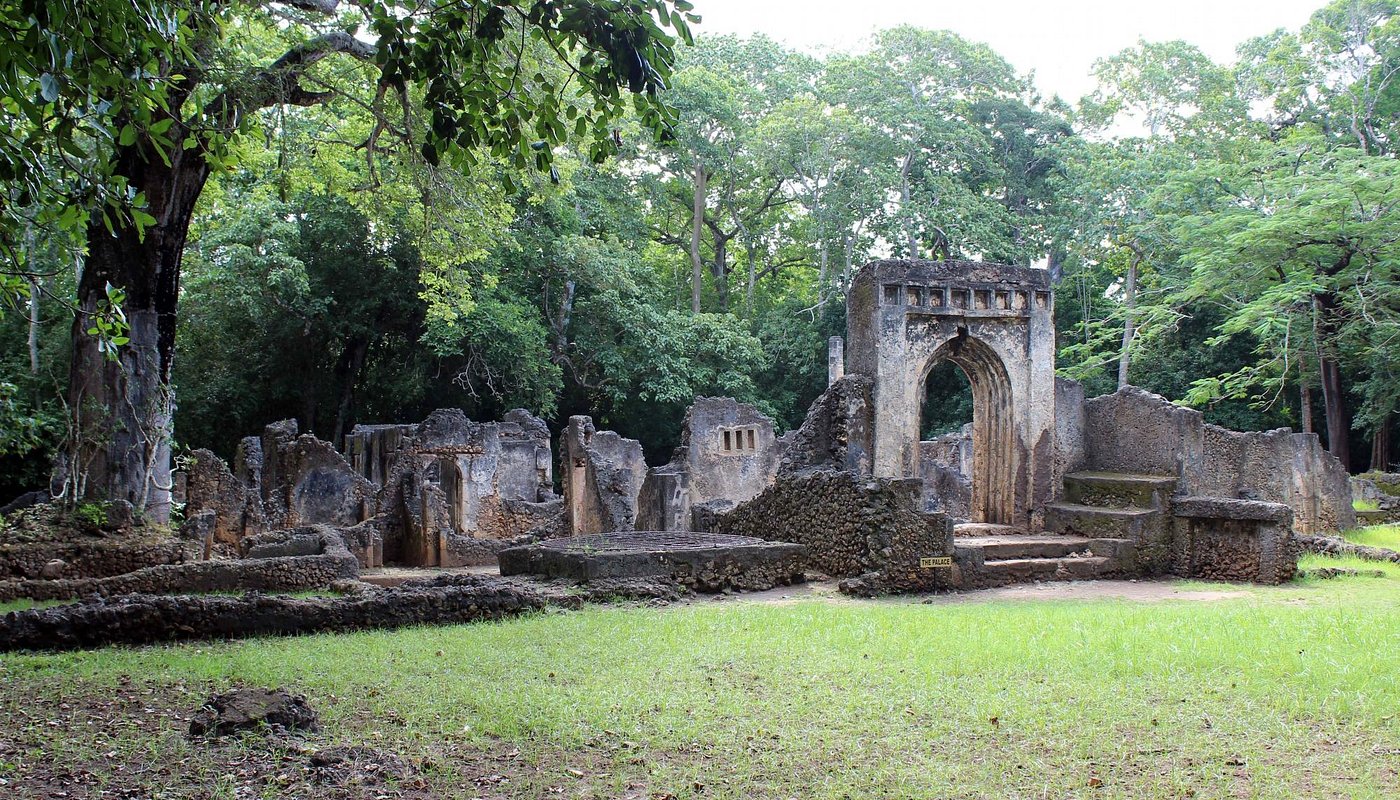
Gede Ruins is one of Kenya's most remarkable archaeological treasures and among the finest surviving examples of a medieval Swahili settlement on the East African coast. Hidden within a lush indigenous forest near Malindi in Kilifi County, the site preserves the remains of an ancient town that flourished for centuries through trade, cultural exchange, and sophisticated urban development.
Today, Gede Ruins stands as a powerful reminder of the rich history of the Swahili civilization that once connected East Africa to Arabia, Persia, India, and China through extensive Indian Ocean trade networks. The site contains impressive remains of mosques, residential houses, wells, palaces, tombs, and defensive walls that reveal the wealth and complexity of the community that once lived here.
The ruins are not only an important archaeological monument but also a cultural landscape where history, heritage, nature, and community traditions continue to coexist. Surrounded by approximately 45 acres of indigenous forest, the site remains sacred to local communities and continues to play a role in traditional cultural practices.
For visitors interested in archaeology, history, architecture, conservation, or cultural tourism, Gede Ruins offers one of the most fascinating experiences on the Kenyan coast.
History of Gede Ruins
The history of Gede dates back to approximately the twelfth century when the settlement first emerged as part of the expanding network of Swahili towns along the East African coast. During this period, coastal settlements benefited from growing trade connections that linked Africa with markets across the Indian Ocean.
Like many Swahili towns, Gede developed through a combination of local African traditions and external influences introduced through maritime commerce. The settlement grew steadily and became an important center of trade, culture, and religious life.
Evidence from archaeological excavations suggests that the town underwent significant rebuilding during the fifteenth and sixteenth centuries. New defensive walls were constructed and many of the impressive structures visible today were either expanded or rebuilt during this period of prosperity.
The growth of Gede was closely connected to wider developments along the East African coast. Historical records indicate that migration from other coastal settlements, particularly Kilwa, contributed to the town's expansion and increasing importance.
As wealth flowed into the settlement through trade and commerce, Gede evolved into one of the most prosperous urban centers in the region. Its residents built elaborate coral-stone houses, religious monuments, public buildings, and sophisticated infrastructure that reflected their success and connections to the wider world.
The Rise of the Swahili Town of Gede
During the fifteenth century, Gede reached the height of its prosperity and influence. The town became home to a large population supported by agriculture, trade, craftsmanship, and commercial activities linked to international maritime networks.
Merchants operating from Gede traded goods such as ivory, timber, iron products, agricultural produce, and other commodities with partners from Arabia, Persia, India, and beyond. Imported ceramics, beads, glassware, and other luxury items discovered during archaeological excavations demonstrate the town's participation in global trade systems.
The wealth generated by these activities enabled residents to construct impressive stone buildings and develop one of the most sophisticated urban settlements on the East African coast.
The surviving ruins provide clear evidence of this prosperity and help modern visitors understand the remarkable achievements of the Swahili civilization during its golden age.
Architecture of Gede Ruins
One of the most remarkable aspects of Gede Ruins is the quality and sophistication of its architecture. The settlement demonstrates a high level of urban planning and construction skill that challenges outdated assumptions about pre-colonial African cities. The surviving structures reveal a well-organized town built using coral stone and lime mortar, materials commonly employed in Swahili architecture along the East African coast.
The town was surrounded by defensive walls that protected residents and controlled access to different parts of the settlement. Within these walls were residential areas, religious buildings, administrative structures, public spaces, and water management systems that supported daily life.
Many of the houses featured multiple rooms, courtyards, storage areas, and decorative architectural elements. Wealthier residents occupied larger stone houses that reflected both social status and economic success. These buildings demonstrate an understanding of climate-responsive design, with layouts that promoted ventilation and comfort in the tropical coastal environment.
The architectural remains also reveal strong connections to the wider Swahili world. Similar construction techniques and design features can be found at other important coastal settlements, highlighting shared cultural traditions and regional networks.
The Great Mosque of Gede
Among the most important structures within the ancient town is the Great Mosque. As the principal religious building of the settlement, the mosque occupied a central role in community life and reflects the importance of Islam within Swahili society.
The Great Mosque was constructed using coral stone and incorporated architectural features typical of Islamic religious buildings found along the East African coast. The structure served not only as a place of worship but also as a gathering point where members of the community met for religious, educational, and social purposes.
Archaeological investigations have revealed evidence of several phases of construction and modification, suggesting that the mosque evolved alongside the growth of the town itself. These changes reflect both population growth and the increasing prosperity of the community.
One particularly interesting feature associated with the Great Mosque is a nearby well. Archaeological evidence suggests that the well was deepened over time, an indication that access to water may have become increasingly difficult during the later years of the settlement.
Today, the remains of the Great Mosque continue to provide valuable insight into the religious life, architectural traditions, and social organization of medieval Swahili communities.
The Palace of Gede
Another major attraction within the ruins is the palace complex, one of the most impressive structures preserved at the site. The palace served as the residence and administrative center of the town's ruling elite and stands as a symbol of the wealth and authority enjoyed by Gede during its peak.
The scale and complexity of the palace demonstrate the existence of organized political leadership and sophisticated systems of governance. Its layout included multiple rooms, courtyards, reception areas, and private spaces that supported both administrative and residential functions.
The palace also illustrates the economic success of the settlement. Only a prosperous community with access to skilled labor and significant resources could have constructed such an elaborate building using durable coral-stone architecture.
Visitors exploring the palace ruins gain a deeper appreciation of how leadership, trade, and urban development contributed to the growth of Gede as an important Swahili town.
Residential Houses and Urban Planning
The residential architecture of Gede provides valuable information about everyday life within the ancient settlement. Archaeologists have identified numerous houses ranging from modest dwellings to large elite residences.
Many homes were carefully planned and incorporated features designed to improve comfort, privacy, and functionality. Courtyards served as important social spaces, while specialized rooms were used for storage, food preparation, and domestic activities.
The arrangement of buildings throughout the town reflects deliberate urban planning. Streets, open spaces, and neighborhood divisions created an organized environment that supported both residential and commercial activities.
These architectural remains help visitors imagine what life may have been like for the families who once inhabited this thriving coastal settlement.
Water Management and Wells
Access to reliable water supplies was essential for the survival and growth of Gede. The town's inhabitants developed systems for collecting, storing, and managing water in an environment where seasonal variations could create challenges.
Several wells have been identified within the settlement, demonstrating the importance of groundwater resources to the community. These wells supplied water for drinking, cooking, cleaning, religious practices, and agricultural activities.
Archaeological evidence suggests that some wells were deepened over time, indicating changes in the local water table. This observation has contributed to theories regarding the eventual decline and abandonment of the town.
The study of water infrastructure at Gede provides valuable insights into environmental adaptation and resource management within medieval Swahili society.
Trade and International Connections
The prosperity of Gede was closely linked to international trade. Situated within the broader Swahili trading network, the town participated in commercial exchanges that connected East Africa to distant regions across the Indian Ocean.
Excavations at the site have uncovered imported ceramics, glass beads, coins, and other objects originating from Arabia, Persia, India, and China. These discoveries demonstrate the extent of the town's commercial relationships and highlight its integration into global trade networks.
Local merchants exported valuable products including ivory, timber, iron goods, and agricultural commodities. In return, imported luxury goods and manufactured items enhanced the wealth and status of the community.
These international connections helped shape the cultural identity of Gede and contributed to the development of the distinctive Swahili civilization that flourished along the East African coast.
Life in a Prosperous Swahili Town
At its peak, Gede was a vibrant urban center inhabited by merchants, religious leaders, artisans, farmers, and families whose daily activities supported a thriving local economy.
Residents practiced Islam, participated in regional trade, cultivated surrounding lands, and maintained connections with other coastal settlements. Skilled craftsmen produced goods for local use and export, while traders facilitated exchanges with distant markets.
The wealth of the community is reflected in the quality of its buildings, the variety of imported goods discovered by archaeologists, and the scale of public infrastructure found throughout the settlement.
Today, the ruins provide a rare opportunity to explore the physical remains of one of East Africa's most successful medieval towns and to appreciate the achievements of the Swahili civilization that once flourished there.
Why Was Gede Abandoned?
One of the greatest mysteries surrounding Gede Ruins is the question of why such a prosperous and well-developed town was eventually abandoned. During its peak in the fifteenth and early sixteenth centuries, Gede was among the wealthiest settlements on the East African coast, yet by the first half of the seventeenth century, its inhabitants had left and the town gradually disappeared into the surrounding forest.
Unlike many historical sites where a single catastrophic event explains abandonment, evidence from Gede suggests that several factors likely contributed to the town's decline. Historians, archaeologists, and researchers continue to study these factors in an effort to better understand the final years of the settlement.
Although no definitive answer exists, a combination of political instability, environmental pressures, economic changes, and security concerns appears to have played a role in the gradual departure of the town's population.
The Wazimba Raids of 1589
One of the events frequently associated with the decline of Gede was the arrival of the Wazimba during the late sixteenth century. Historical accounts describe the Wazimba as a powerful warrior group whose movements along the East African coast created significant disruption for many settlements.
In 1589, raids attributed to the Wazimba affected several coastal communities and contributed to an atmosphere of insecurity throughout the region. Although there is limited direct evidence linking these attacks specifically to the final abandonment of Gede, the broader instability created by such conflicts may have influenced decisions by residents to relocate.
For a town whose prosperity depended heavily on trade and regional connections, prolonged insecurity could have had serious economic and social consequences.
Political Changes on the Swahili Coast
The sixteenth century was a period of major political transformation along the East African coast. The arrival of the Portuguese altered existing power structures and affected relationships among coastal city-states.
Malindi, Mombasa, Kilwa, and other important settlements experienced shifts in political alliances, trade patterns, and regional influence. Historical records indicate that the relocation of key leaders and changing political priorities may have weakened some settlements while strengthening others.
The movement of populations toward emerging centers of power could have reduced the strategic importance of Gede and contributed to its gradual decline.
These political developments demonstrate how local communities were affected by broader regional and international events during this period.
Declining Water Resources
Environmental factors may also have played a significant role in the abandonment of Gede. Archaeological evidence suggests that access to water became increasingly difficult during the later stages of the town's occupation.
Researchers have observed that wells within the settlement, particularly those near important public buildings such as the Great Mosque, were deepened over time. This pattern suggests that the water table may have been falling, making it more difficult for residents to obtain reliable supplies of fresh water.
For a large urban settlement, reduced access to water would have created serious challenges affecting daily life, agriculture, sanitation, and economic activities.
While water scarcity alone may not explain the abandonment of Gede, it likely contributed to growing pressures that encouraged residents to seek more favorable locations.
The Threat of the Galla
Another factor often cited in historical discussions of Gede's decline is the threat posed by groups collectively referred to in historical records as the Galla, now more commonly associated with Oromo populations originating from the Horn of Africa.
Movements of pastoral communities through parts of East Africa created additional security concerns for settled populations. The possibility of conflict and uncertainty may have encouraged migration toward areas perceived as safer or better protected.
As with other explanations for the abandonment of Gede, the available evidence suggests that these pressures were part of a broader combination of factors rather than a single decisive cause.
The cumulative impact of environmental, political, and security challenges likely contributed to the eventual disappearance of the town.
The Rediscovery of Gede Ruins
Following its abandonment, Gede gradually became engulfed by the surrounding forest. Over time, the town disappeared from public awareness, and many of its structures remained hidden beneath vegetation for centuries.
The ruins were rediscovered during the nineteenth century when European explorers and colonial officials began documenting historical sites along the East African coast. Among the earliest recorded visitors was Sir John Kirk, a British official based in Zanzibar, who visited the site in 1884.
His observations helped draw attention to the significance of the ruins and encouraged further investigation of the site.
The rediscovery of Gede marked the beginning of a new chapter in its history, transforming the abandoned town into an important subject of archaeological research and heritage conservation.
Archaeological Research at Gede Ruins
Gede is widely regarded as the first intensively studied archaeological site on the Kenyan coast. Because of the remarkable preservation of its buildings and the richness of its cultural deposits, the site has played a crucial role in advancing understanding of Swahili civilization.
Archaeological investigations have uncovered thousands of artifacts that provide evidence of trade, religion, architecture, technology, and everyday life within the settlement. Imported ceramics from China, glass beads from Asia, and objects from the Middle East demonstrate the international connections that helped shape the town's development.
Excavations have also revealed valuable information about urban planning, social organization, and environmental adaptation. These discoveries continue to inform research on the history of the East African coast and its role within wider global networks.
Today, Gede remains one of the most important archaeological resources in East Africa and continues to attract scholars from around the world.
James Kirkman and Early Excavations
Much of what is known about Gede today is the result of pioneering archaeological work carried out during the twentieth century. One of the most influential figures associated with the site was James Kirkman, who led some of the earliest systematic investigations.
Kirkman's research helped establish Gede as a key reference site for understanding Swahili archaeology. Through excavation, documentation, and publication, he provided detailed information about the town's architecture, artifacts, and historical development.
His work laid the foundation for future research and contributed significantly to the recognition of Gede as one of the most important archaeological sites on the East African coast.
Many of the interpretations and discoveries that continue to shape understanding of the site can be traced back to these early investigations.
UNESCO World Heritage Status
The international significance of Gede Ruins has received increasing recognition over the years. The site's exceptional archaeological remains, historical importance, and cultural value have made it one of Kenya's most important heritage landmarks.
In 2024, the Historic Town and Archaeological Site of Gede was inscribed on the UNESCO World Heritage List, acknowledging its Outstanding Universal Value and its importance to humanity's shared cultural heritage.
This recognition places Gede among the world's most significant cultural sites and highlights the achievements of the Swahili civilization that flourished along the East African coast.
UNESCO status also supports ongoing conservation efforts, research initiatives, and sustainable tourism development while helping ensure that the site remains protected for future generations.
Gede Indigenous Forest
One of the most unique aspects of Gede Ruins is its location within a dense indigenous coastal forest. Unlike many archaeological sites that exist in open landscapes, Gede is surrounded by approximately 45 acres of mature forest that has helped protect and preserve the ancient settlement for centuries.
The forest creates a remarkable atmosphere that enhances the visitor experience. Walking through shaded pathways beneath towering trees, visitors encounter archaeological remains emerging from the vegetation in a setting that feels both mysterious and timeless.
This combination of natural and cultural heritage makes Gede one of the most distinctive heritage attractions in Kenya. The forest and the ruins are closely interconnected, each contributing to the significance and character of the site.
For many visitors, the surrounding forest is just as memorable as the archaeological remains themselves, providing opportunities to appreciate biodiversity, tranquility, and the relationship between nature and history.
Biodiversity of the Gede Forest
The indigenous forest surrounding Gede supports a rich variety of plant and animal life. Numerous species of trees, shrubs, birds, insects, and small mammals inhabit the area, creating an important ecological refuge within the coastal region.
The forest serves as an example of the coastal forests that once covered larger portions of the East African coastline. These ecosystems are recognized for their biodiversity and ecological importance.
Visitors often encounter a variety of bird species during their visit, making the site attractive not only to history enthusiasts but also to nature lovers and birdwatchers.
The coexistence of archaeological remains and natural habitats highlights the importance of integrated conservation approaches that protect both cultural and environmental resources.
The Sacred Nature of Gede Forest
Beyond its ecological importance, the Gede Forest holds deep cultural and spiritual significance for surrounding communities. For generations, local residents have regarded the forest as a sacred place associated with ancestral traditions, cultural identity, and spiritual practices.
Many community members continue to view the forest as a place of respect and reverence. Traditional beliefs associated with the area have contributed to its preservation and have helped maintain cultural connections to the site.
The sacred status of the forest demonstrates how heritage extends beyond physical structures to include living traditions, beliefs, and relationships between communities and landscapes.
These cultural values remain an important aspect of the significance of Gede today.
Community Traditions and Cultural Practices
For surrounding communities, Gede is not simply an archaeological site from the distant past. It remains part of a living cultural landscape where traditions, stories, and practices continue to be passed down through generations.
The forest has historically been used for traditional ceremonies, prayers, rituals, and sacrifices. These activities reflect long-standing cultural relationships with the site and contribute to its continuing relevance within local society.
Community engagement also plays an important role in heritage conservation. Local residents contribute valuable knowledge about cultural traditions, oral history, and environmental stewardship that supports broader preservation efforts.
The ongoing connection between communities and the site demonstrates that heritage conservation is most effective when local people remain active participants in protecting and interpreting their cultural resources.
Conservation and Protection of Gede Ruins
The preservation of Gede Ruins has been a priority for many decades. Recognition of the site's importance began during the colonial period when authorities took steps to protect the archaeological remains from further deterioration.
In 1927, Gede was gazetted as a Historical Monument. Two years later, in 1929, it received additional protection through designation as a protected monument. These early actions reflected growing awareness of the site's historical significance.
During the late 1930s, preservation work was undertaken to stabilize deteriorating structures and prevent further damage to important architectural remains.
These efforts laid the foundation for the more comprehensive conservation programs that continue today.
National Monument Status
The significance of Gede continued to receive official recognition throughout the twentieth century. Following archaeological investigations and preservation work, the site was declared a national park in 1948, and an archaeologist was appointed to oversee its management.
In 1969, responsibility for the administration of Gede was transferred to the National Museums of Kenya, ensuring professional oversight of conservation, research, education, and visitor services.
Recognizing its exceptional importance, the site was subsequently re-gazetted as Gede National Monument through Gazette Notice Number 1688 dated 12 June 1970.
Today, this status provides a framework for protecting the archaeological remains, cultural values, and natural environment associated with the site.
The Role of the National Museums of Kenya
The National Museums of Kenya plays a central role in safeguarding Gede Ruins for future generations. Responsibilities include conservation of architectural remains, archaeological research, visitor management, educational programming, and community engagement.
Museum professionals work to ensure that the site remains accessible while minimizing impacts that could threaten its preservation. This involves balancing tourism, research, conservation, and community interests.
The institution also supports ongoing studies that continue to improve understanding of the site's history and significance.
Through these efforts, Gede remains both a protected heritage monument and a valuable resource for learning and discovery.
Gede Ruins as an Educational Resource
Gede serves as one of Kenya's most important outdoor classrooms for the study of archaeology, history, architecture, conservation, and environmental management.
Students from schools, colleges, and universities regularly visit the site to gain firsthand experience of archaeological heritage. Guided tours and educational programs help visitors understand the significance of the ruins and the broader history of the Swahili Coast.
The site's combination of cultural and natural heritage creates opportunities for interdisciplinary learning that connects history, geography, ecology, anthropology, and heritage management.
As a result, Gede continues to inspire curiosity and contribute to public understanding of Kenya's rich cultural legacy.
Why Gede Ruins Matters Today
Gede Ruins remains relevant because it preserves evidence of a sophisticated African urban civilization that flourished long before the colonial era. The site challenges misconceptions about Africa's past and demonstrates the achievements of the Swahili people in trade, architecture, governance, and cultural exchange.
Its archaeological remains reveal connections between East Africa and distant parts of the world, illustrating how local communities participated in global networks centuries ago.
At the same time, the surrounding forest and continuing cultural traditions remind visitors that heritage is not limited to the past. It remains part of living communities and contemporary identities.
Through preservation, research, education, and sustainable tourism, Gede continues to serve as a source of knowledge, inspiration, and pride for Kenya and the wider world.
Visitor Experience at Gede Ruins
A visit to Gede Ruins offers one of the most unique heritage experiences in Kenya. Unlike many archaeological sites where remains are isolated from their natural surroundings, Gede combines centuries of history with the beauty of an indigenous coastal forest. Visitors can walk through ancient streets, explore coral-stone structures, and experience the atmosphere of a medieval Swahili town hidden beneath a green forest canopy.
The site appeals to a wide range of visitors including historians, archaeologists, students, photographers, nature enthusiasts, birdwatchers, and cultural tourists. Guided tours provide valuable insights into the history, architecture, and significance of the ruins while helping visitors appreciate the broader context of Swahili civilization.
Many visitors describe Gede as one of the most peaceful and atmospheric heritage attractions in Kenya. The combination of archaeological remains, mature forest, wildlife, and cultural traditions creates an experience that is both educational and memorable.
Whether you are exploring the Great Mosque, walking through the palace complex, or simply enjoying the natural surroundings, Gede offers an opportunity to connect with a remarkable chapter of East African history.
How to Get to Gede Ruins
Gede Ruins is located in Kilifi County on Kenya's coast, approximately 16 kilometers south of Malindi and about 90 kilometers northeast of Mombasa.
The site is easily accessible by road and can be reached using private vehicles, taxis, tour operators, or public transport services operating between Mombasa, Watamu, and Malindi.
Its location near other major coastal attractions makes it an excellent addition to broader travel itineraries exploring the heritage, beaches, and natural beauty of the Kenyan coast.
Many visitors combine a trip to Gede with visits to Watamu Marine National Park, Malindi Museum, and other cultural and ecological attractions within the region.
Why Visit Gede Ruins?
Gede offers a rare opportunity to explore one of the most extensively studied Swahili archaeological sites in East Africa. The preservation of the ruins, combined with ongoing research and interpretation, provides exceptional insights into medieval urban life along the coast.
Visitors can learn about trade networks that connected Africa with Asia and the Middle East, examine sophisticated coral-stone architecture, and discover how communities adapted to changing environmental and political conditions.
The site's UNESCO World Heritage status further highlights its international significance and confirms its importance as a place of outstanding cultural value.
For anyone interested in Kenya's history, cultural heritage, or archaeological treasures, Gede Ruins is an essential destination.
Gede Ruins Opening Hours
Opening Days:
Monday – Sunday
Opening Hours:
8:00 AM – 6:00 PM
Public Holidays:
Open during public holidays unless otherwise announced by the National Museums of Kenya.
Gede Ruins Entry Fees
Admission fees for Gede Ruins are determined by the National Museums of Kenya and may be updated periodically. Visitors are encouraged to confirm the latest rates before travelling.
The admission fee supports conservation, research, educational activities, visitor services, and the long-term protection of this important archaeological site.
Buy Gede Ruins Tickets Online
Visitors can conveniently purchase tickets online through the official National Museums of Kenya eCitizen platform before arriving at the site.
Online booking helps visitors plan ahead and provides a convenient way to secure admission.
Gede Ruins Contact Information
For information regarding guided tours, educational visits, research inquiries, conservation activities, school programs, or general visitor assistance, please contact Gede Museum using the details below.
Curator:
Gede Museums
Postal Address:
P.O. Box 5067
80208 Gede, Kenya
Telephone:
042-32065
Email:
[email protected]
Frequently Asked Questions About Gede Ruins
What are Gede Ruins?
Gede Ruins are the remains of a medieval Swahili town located near Malindi in Kilifi County. The site contains mosques, houses, a palace complex, wells, and defensive walls dating between the twelfth and seventeenth centuries.
Where are Gede Ruins located?
Gede Ruins is located approximately 16 kilometers south of Malindi and about 90 kilometers northeast of Mombasa on Kenya's coast.
Why are Gede Ruins important?
The site is one of the most important archaeological monuments on the East African coast and provides valuable evidence of the development of Swahili civilization and Indian Ocean trade networks.
Is Gede Ruins a UNESCO World Heritage Site?
Yes. The Historic Town and Archaeological Site of Gede was inscribed on the UNESCO World Heritage List in 2024 because of its outstanding cultural and historical significance.
Why was Gede abandoned?
Researchers believe that multiple factors contributed to its abandonment, including regional conflict, political changes, declining water resources, and insecurity during the late sixteenth and early seventeenth centuries.
Can I buy tickets online?
Yes. Tickets can be purchased through the official National Museums of Kenya eCitizen ticketing platform before visiting the site.
Plan Your Visit to Gede Ruins
Gede Ruins offers a unique opportunity to explore one of Africa's most fascinating archaeological landscapes. The site combines remarkable architecture, rich history, sacred cultural traditions, and natural beauty within a single destination.
Its ancient mosques, palace complex, residential structures, and defensive walls reveal the story of a thriving Swahili town that once participated in global trade networks linking Africa, Asia, and the Middle East.
Today, the ruins continue to inspire visitors, researchers, and conservationists while serving as a reminder of the achievements of the Swahili civilization and the importance of preserving cultural heritage.
Whether you are visiting the Kenyan coast for the first time or returning to deepen your understanding of its history, Gede Ruins remains one of the country's most rewarding heritage destinations.
See Also
Interested in exploring more of Kenya's coastal heritage? Discover other museums and historical sites managed by the National Museums of Kenya.