
Lamu Museum
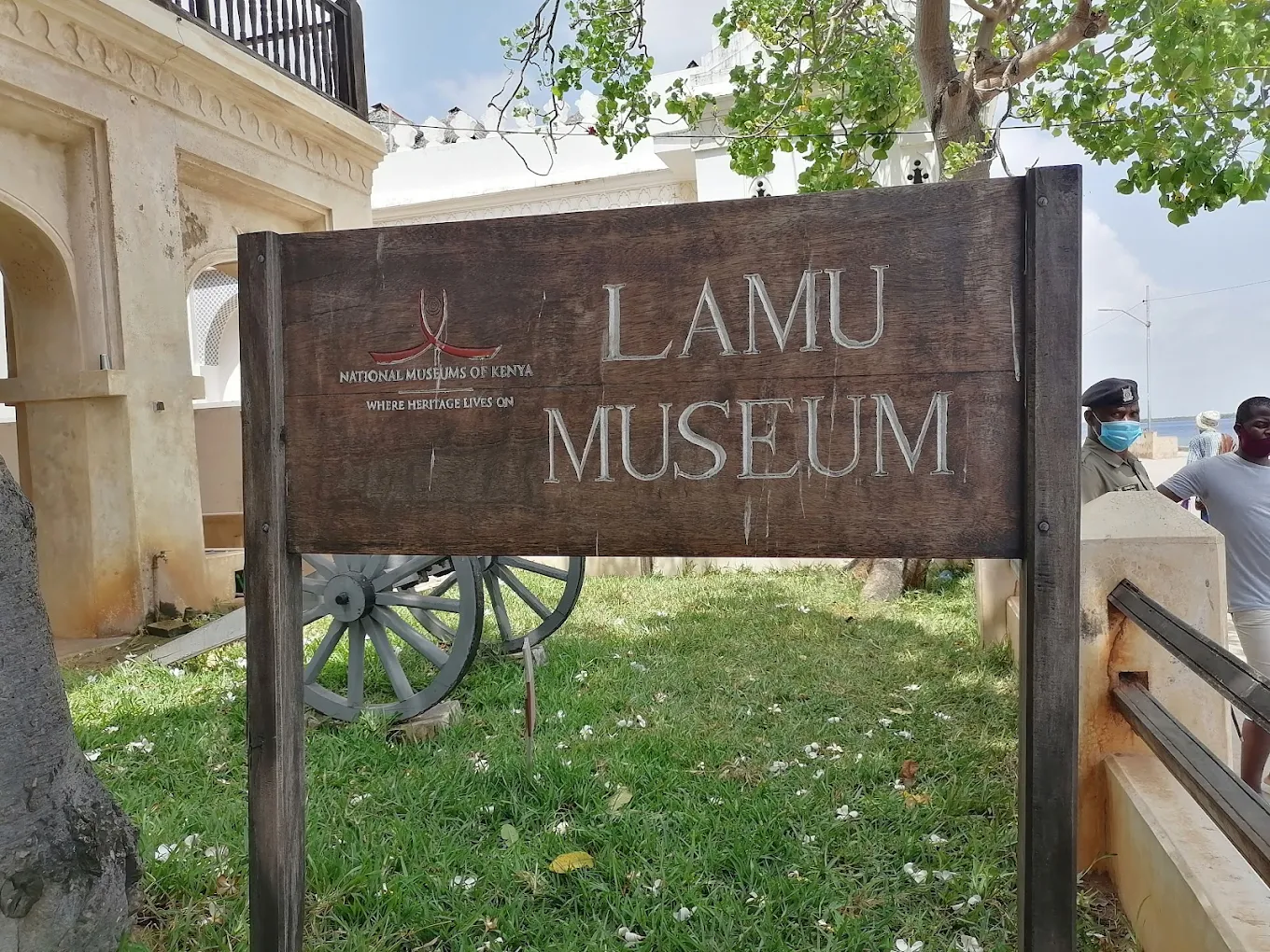
Located within the historic streets of Lamu Old Town, Lamu Museum stands as one of the most important cultural institutions on the East African coast. The museum serves as the flagship of the five thematic museums and heritage attractions managed within Lamu Old Town, preserving centuries of history, architecture, maritime traditions, and Swahili cultural heritage.
Lamu Old Town itself is recognized as one of the oldest and best-preserved Swahili settlements in East Africa. Its narrow streets, coral stone buildings, carved wooden doors, and rich traditions provide visitors with a unique glimpse into a civilization shaped by centuries of interaction between Africa, Arabia, Persia, India, and the wider Indian Ocean world.
Within this remarkable setting, Lamu Museum serves as a center for education, research, preservation, and cultural interpretation. Its collections tell the story of the northern Swahili cultural landscape and help visitors understand the traditions, beliefs, architecture, governance systems, and daily life of communities that have inhabited the Lamu Archipelago for generations.
About Lamu Museum
The term "Lamu Museums" refers to a network of heritage attractions located within Lamu Old Town and the wider Lamu Archipelago. These include the Lamu Museum, Lamu Fort, the German Post Office, Swahili House, Takwa Ruins, and Mwana Arafa Jambeni. Together, these institutions preserve and interpret the rich cultural heritage of one of Africa’s most important historical landscapes.
Among these attractions, Lamu Museum serves as the flagship institution and acts as the principal repository of ethnographic collections associated with the Swahili Coast. The museum has become a focal point for research, education, and cultural preservation, attracting visitors, students, scholars, and heritage professionals from around the world.
Its collections document centuries of cultural interaction and provide insight into how communities within the Lamu Archipelago developed their unique identity while remaining connected to wider networks of trade and cultural exchange across the Indian Ocean.
History of Lamu Museum
Lamu Museum was established during the 1960s and has since grown into one of the most important ethnographic museums on the East African coast. The institution houses one of the largest and most authentic collections of Swahili cultural material ever assembled in the region.
Many of the museum's collections were gathered through the efforts of researchers, historians, anthropologists, and cultural enthusiasts who worked throughout the twentieth century to document and preserve the traditions of the Swahili Coast. Their efforts ensured that valuable artifacts, manuscripts, tools, and cultural materials would remain available for future generations.
The museum occupies a historically significant building that reflects important architectural developments within Lamu Old Town. Constructed during the early twentieth century, the structure represents a transition from traditional Swahili stone architecture to new styles influenced by European and Indian merchants who settled in the town during this period.
Before becoming a museum, the building served several important functions. It was originally owned by Abdallah Bin Hemed Said Al Busaidy, a close associate of the Sultan of Zanzibar. Later, the property was used by the Imperial British East Africa Company and subsequently became the residence of senior British colonial administrators.
Following Kenya's independence, the building served as the residence of the District Commissioner until 1968. Its conversion into a museum ensured the preservation of both the structure itself and the invaluable collections housed within it.
Today, Lamu Museum continues to serve as a guardian of cultural memory, preserving the traditions, histories, and material culture of communities throughout the Lamu Archipelago while supporting education, research, and heritage conservation.
Lamu Old Town and UNESCO World Heritage Status
Lamu Museum occupies a unique position within one of Africa’s most important heritage sites. Lamu Old Town is recognized internationally for its exceptional preservation, cultural authenticity, and historical significance. The town represents centuries of Swahili civilization and remains one of the oldest continuously inhabited settlements on the East African coast.
The historic urban fabric of Lamu reflects a blend of African, Arab, Persian, Indian, and European influences that developed through trade and cultural interaction over many centuries. Narrow streets, coral stone buildings, decorative wooden doors, mosques, public spaces, and traditional houses create a cultural landscape unlike any other in Kenya.
Within this environment, Lamu Museum plays a vital role in documenting and interpreting the heritage that surrounds it. The museum's collections help visitors understand the people, traditions, beliefs, and social systems that shaped the development of Lamu and contributed to its enduring cultural significance.
Lamu Museum Collections and Exhibitions
Lamu Museum houses one of the largest and most authentic collections of Swahili ethnographic materials on the East African coast. The collections represent centuries of cultural development within the Lamu Archipelago and provide valuable insight into the traditions, beliefs, governance systems, craftsmanship, maritime activities, and daily life of the region's communities.
The museum's holdings have been assembled from numerous traditional settlements throughout the Lamu Archipelago and northern Swahili coast. Together, these collections preserve the cultural identity of one of Africa's most distinctive cultural landscapes and provide an important resource for both local communities and international researchers.
Visitors exploring the galleries encounter a remarkable variety of artifacts including clothing, jewelry, manuscripts, furniture, amulets, musical instruments, maritime equipment, archaeological discoveries, household objects, and technical tools. Each item contributes to a broader understanding of how people lived, worked, traded, worshipped, and interacted within the Indian Ocean world.
The museum's collections continue to serve as an educational resource for local residents, many of whom visit the museum with their children to learn about and preserve their cultural heritage. At the same time, scholars from around the world rely on these collections for research into Swahili culture, history, architecture, linguistics, and archaeology.
Ground Floor Galleries at Lamu Museum
The ground floor of Lamu Museum introduces visitors to several important exhibitions that highlight the artistic, architectural, and archaeological heritage of the Swahili Coast.
These galleries provide a foundation for understanding the cultural history of Lamu and serve as an excellent introduction to the wider collections housed throughout the museum.
Mohammed Kijumwa Art Gallery
One of the highlights of the ground floor is the exhibition dedicated to Mohammed Kijumwa, one of the most celebrated cultural figures associated with Lamu. Kijumwa was renowned both as a Swahili poet and as a skilled wood carver whose work continues to inspire appreciation for Swahili artistic traditions.
The gallery showcases examples of his creative achievements and provides insight into the important role that poetry, storytelling, craftsmanship, and artistic expression have played within Swahili society. Through these works, visitors gain a deeper appreciation for the intellectual and cultural richness of the Lamu Archipelago.
Lamu Door Gallery
The Swahili door is one of the most recognizable symbols of East African coastal architecture. The Lamu Door Gallery preserves and displays a collection of rare and highly prized carved timber doors that demonstrate the exceptional craftsmanship of Swahili artisans.
These doors are much more than architectural features. They reflect social status, family identity, artistic traditions, and cultural influences that shaped the coastal towns of East Africa over many centuries.
Visitors examining the intricate carvings can observe influences from Africa, Arabia, India, and Persia, illustrating the diverse cultural exchanges that helped shape the Swahili Coast.
Archaeology Gallery
The Archaeology Gallery presents artifacts and discoveries that help reconstruct the history of the Lamu Archipelago and surrounding regions. Archaeological evidence provides valuable insight into settlement patterns, trade relationships, technological development, and cultural interaction across different historical periods.
Objects recovered through archaeological investigations include pottery, ceramics, trade goods, tools, beads, coins, and architectural fragments. These materials demonstrate the long history of international connections linking Lamu with other parts of Africa, Arabia, Asia, and beyond.
The gallery helps visitors understand how archaeological research contributes to our knowledge of the past and supports efforts to preserve and interpret cultural heritage.
First Floor Galleries at Lamu Museum
The first floor houses some of the museum's most important ethnographic collections and provides visitors with an in-depth understanding of the diverse communities that have contributed to the cultural landscape of the Lamu Archipelago.
Through carefully curated displays, visitors can explore traditions, customs, livelihoods, governance systems, and cultural practices that continue to influence life along Kenya's northern coast.
Ethnographic Collections
The ethnographic collections represent several communities that have historically inhabited the region, including the Swahili, Boni, Sanye, Pokomo, and Orma peoples.
Each collection highlights unique aspects of community life such as clothing styles, domestic traditions, craftsmanship, ceremonial practices, economic activities, and social organization.
Together, these exhibits demonstrate the cultural diversity of the Lamu region while illustrating the ways in which different communities interacted and influenced one another over time.
The collections also help preserve traditions that might otherwise be lost and provide future generations with opportunities to learn about their cultural heritage.
The Pate Ivory Siwa
One of the most treasured objects displayed at Lamu Museum is the famous Pate Ivory Siwa, regarded as one of the finest symbols of traditional Swahili governance in East Africa.
The Siwa was traditionally used as a ceremonial horn and represented authority, leadership, prestige, and political power. Such objects played important roles within the governance systems of Swahili communities and were often associated with rulers and important public ceremonies.
Its presence within the museum highlights the sophistication of Swahili political structures and provides visitors with an opportunity to appreciate one of the region's most significant cultural treasures.
Maulidi Gallery
Religion has long been an important component of life within Lamu and the wider Swahili Coast. The Maulidi Gallery explores traditions associated with Islamic religious celebrations and cultural practices that have shaped the identity of local communities.
Lamu is internationally known for its Maulidi Festival, an annual celebration that attracts participants and visitors from across East Africa and beyond. The festival combines religious devotion, cultural expression, poetry, music, and community gatherings.
Through exhibits and interpretive materials, the gallery helps visitors understand the historical and contemporary significance of these traditions within the cultural life of the region.
Maritime Heritage Gallery
The sea has always been central to the identity of Lamu. The Maritime Heritage Gallery examines the relationship between coastal communities and the Indian Ocean through exhibits focusing on navigation, trade, fishing, boat building, and maritime technology.
Traditional dhows, seafaring equipment, navigation tools, and maritime artifacts illustrate how generations of sailors and merchants connected Lamu to wider trading networks that stretched across the Indian Ocean.
These maritime traditions played a vital role in the development of Swahili civilization and contributed to the prosperity of coastal settlements throughout the region.
Today, the gallery serves as a reminder that the sea remains an essential part of life in Lamu and continues to influence local culture, economy, and identity.
Architecture of Lamu Museum
The building that houses Lamu Museum is itself an important heritage monument and forms a significant part of the museum experience. Long before becoming a museum, the structure played an important role in the administrative and social history of Lamu Old Town.
Constructed in the early twentieth century, the building is classified as a Grade I Stone Veranda Building and represents one of the finest examples of a transitional architectural style found within Lamu. It illustrates a period when traditional Swahili architectural forms began incorporating influences from European and Indian merchants who settled in the town.
The structure reflects a notable departure from the traditional nineteenth-century Swahili stone houses that had dominated the urban landscape of Lamu for centuries. While retaining many local construction techniques and materials, the building introduced new spatial arrangements, decorative features, and veranda elements that became characteristic of the period.
Today, the museum building serves as an important educational resource, allowing visitors to study architectural evolution within one of East Africa’s most historically significant urban settlements.
Historical Ownership of Lamu Museum Building
The property originally belonged to Abdallah Bin Hemed Said Al Busaidy, a respected figure and close associate of the Sultan of Zanzibar. During this period, Lamu remained an important commercial and political center within the wider Indian Ocean world.
After Bin Hemed relocated to Mombasa, the building passed into the hands of another prominent family. As colonial influence expanded along the East African coast, the property eventually came into use by the Imperial British East Africa Company.
Later, the building served as the official residence of senior British colonial administrators responsible for governing the district. This administrative role continued throughout much of the colonial period, further embedding the building within the historical development of Lamu.
Following Kenya’s independence, the structure became the residence of the District Commissioner before eventually being transformed into a museum dedicated to preserving and celebrating the cultural heritage of the region.
These multiple layers of ownership and occupation contribute to the significance of the building and reflect the broader history of political, economic, and cultural change within Lamu.
The Importance of Lamu Museum in Preserving Swahili Heritage
Lamu Museum plays a vital role in safeguarding the cultural heritage of the northern Swahili coast. Its collections preserve objects, traditions, stories, and knowledge systems that might otherwise be lost as societies modernize and traditional lifestyles evolve.
The museum serves as a bridge between generations, enabling young people to learn about the achievements, traditions, and experiences of their ancestors. Through exhibitions and educational programs, visitors gain insight into cultural practices that have shaped the identity of coastal communities for centuries.
This role is particularly important in a rapidly changing world where cultural heritage faces numerous challenges. Museums such as Lamu Museum ensure that valuable knowledge remains accessible to future generations while promoting appreciation for cultural diversity and historical continuity.
By preserving both tangible and intangible heritage, the museum contributes to broader efforts aimed at protecting one of Africa’s most distinctive cultural landscapes.
Lamu Museum as a Research Centre
Beyond its role as a public museum, Lamu Museum functions as a major research center for scholars studying the Swahili Coast and the wider Indian Ocean region. Researchers from Kenya and abroad regularly consult the museum’s collections to investigate topics ranging from archaeology and architecture to anthropology, linguistics, religion, and maritime history.
The museum's ethnographic collections provide valuable primary sources that help scholars understand cultural change, trade networks, governance systems, and social organization across different historical periods.
Students, academics, heritage professionals, and conservation specialists rely on the museum's resources to support research projects, publications, and educational initiatives. This scholarly activity contributes significantly to our understanding of East African history and culture.
The museum therefore serves not only as a place of public education but also as an institution that actively contributes to the production of knowledge about one of Africa’s most important cultural regions.
Traditional Knowledge and Community Memory
One of the unique strengths of Lamu Museum lies in its close relationship with local communities. Many residents of the archipelago regularly visit the museum and maintain strong connections to the cultural traditions represented in the collections.
Community members often use the exhibits as teaching tools, sharing stories, customs, and historical knowledge with younger generations. This active engagement helps ensure that heritage remains a living part of everyday life rather than becoming disconnected from the people whose history it represents.
The museum therefore functions as a space where community memory and formal heritage preservation work together to strengthen cultural identity.
This relationship between museum collections and living traditions is one of the reasons why Lamu Museum remains such an important institution within the World Heritage Site.
The Cultural Landscape of the Lamu Archipelago
The collections displayed at Lamu Museum cannot be fully understood in isolation from the wider cultural landscape of the Lamu Archipelago. The islands, settlements, waterways, and historical sites that surround Lamu Old Town collectively form one of the richest cultural environments in East Africa.
For centuries, communities throughout the archipelago participated in trade, fishing, farming, religious activities, and cultural exchanges that shaped their shared identity. These interactions produced a distinctive Swahili culture characterized by a blend of African, Arab, Persian, and Indian influences.
The artifacts preserved by the museum reflect these historical connections and provide evidence of the relationships that linked communities across the region.
Visitors who explore both the museum and the wider archipelago gain a deeper appreciation for the complexity and richness of the Swahili cultural world.
Why Lamu Museum Matters Today
In the modern era, Lamu Museum continues to play an essential role in heritage preservation, education, cultural tourism, and community development. The institution provides opportunities for visitors to learn about the history and traditions of the Swahili Coast while supporting local efforts to protect cultural resources.
Its exhibitions encourage dialogue about identity, history, and cultural continuity while helping audiences understand the significance of preserving heritage for future generations.
The museum also contributes to sustainable tourism by offering authentic cultural experiences that complement the wider attractions of Lamu Old Town and the surrounding archipelago.
As one of Kenya’s most important cultural institutions, Lamu Museum remains a symbol of the enduring value of heritage conservation and cultural education.
Mwana Arafa Jambeni – Lamu American Corner
Among the most important heritage properties associated with Lamu Museum is the historic Mwana Arafa Jambeni building. Situated along the seafront promenade of Lamu Old Town, this remarkable property represents both an important architectural landmark and a valuable community resource.
The building occupies a prominent position within the conservation zone of Lamu Old Town and overlooks the waterfront that has served as the gateway to the town for centuries. Its location places it within one of the most historically significant urban environments on the East African coast.
Today, the property houses the Lamu Museum Information Centre and the Lamu American Corner, providing educational resources, community services, and cultural programs for residents and visitors alike.
Architecture of Mwana Arafa Jambeni
The Mwana Arafa Jambeni building is classified as a Grade I Veranda Building and represents an outstanding example of the architectural transition that occurred within Lamu during the late nineteenth and early twentieth centuries.
The property occupies a nearly rectangular plot extending from the seafront promenade inland toward the main street known as Usitawa Mui. Its unique layout combines a substantial walled garden facing the sea with an impressive residential structure located toward the rear of the property.
Architecturally, the building demonstrates the evolution from traditional Swahili stone houses to a style influenced by European and Indian architectural traditions. This blending of influences reflects the cosmopolitan nature of Lamu and the cultural exchanges that occurred through maritime trade and settlement.
The house also contains several notable architectural features including traditional entrance porches, verandas, covered passageways, and decorative elements that contribute to the character of the historic townscape.
History of Mwana Arafa Jambeni
Historical records indicate that the property was originally constructed as a family residence by Mwana Esha Ahmed, also known as Mwana Arafa Jambeni, a woman of noble lineage whose legacy remains associated with the building today.
Over time, the property served a variety of public functions reflecting the changing needs of the community and government authorities. During the colonial period, the building was acquired by government administrators and later housed a town magistrate.
Subsequently, it became associated with veterinary services and was widely known by local residents as the “Daktari wa Ng’ombe” or Veterinary House. During this period, government livestock officers used parts of the property as offices and residential accommodation.
The building later functioned as a gas distribution depot before suffering significant damage during an explosion in 1987. The incident resulted in partial structural collapse and threatened the future of one of Lamu’s important heritage buildings.
Recognizing its cultural and architectural significance, the National Museums of Kenya acquired the property in 1999 and undertook extensive restoration work. These efforts successfully preserved the building and allowed it to be adapted for new educational and community purposes.
Lamu American Corner
Today, Mwana Arafa Jambeni houses the Lamu American Corner, an educational and cultural resource center that supports learning, information access, and community engagement.
The American Corner provides access to educational materials, digital resources, reference collections, and programs that support students, teachers, youth groups, and lifelong learners. It serves as an important hub for knowledge sharing and educational development within the region.
Programs hosted at the facility promote academic advancement, digital literacy, cultural exchange, leadership development, and access to international educational opportunities.
The center has become an important meeting place where residents, students, educators, and visitors can participate in workshops, training sessions, discussions, and community activities.
Education and Community Engagement
One of the strengths of the Mwana Arafa Jambeni facility is its focus on serving the wider community. Through educational programs and public events, the center helps expand access to information and learning opportunities within Lamu.
The facility regularly hosts students, teachers, researchers, librarians, and youth organizations, providing a welcoming environment for academic and personal development.
These activities complement the broader mission of Lamu Museum by encouraging public participation in cultural preservation, education, and heritage appreciation.
The combination of historical preservation and modern educational programming demonstrates how heritage buildings can continue to serve contemporary community needs while maintaining their historical significance.
Preserving Historic Buildings Through Adaptive Reuse
The restoration and reuse of Mwana Arafa Jambeni represents an excellent example of adaptive heritage conservation. Rather than preserving the structure solely as a monument, the building has been given new functions that ensure its continued relevance and sustainability.
By accommodating educational programs, community services, and cultural activities, the property remains actively integrated into the daily life of Lamu while preserving its architectural and historical character.
This approach reflects international best practices in heritage management, demonstrating how historic buildings can remain vibrant and useful while retaining their cultural significance.
For visitors to Lamu, the building offers an opportunity to appreciate both the architectural heritage of the town and the ongoing efforts to preserve and utilize that heritage for the benefit of current and future generations.
The Role of Community Heritage in Lamu
The story of Mwana Arafa Jambeni highlights a broader theme within Lamu: the close relationship between heritage and community life. Across the archipelago, historic buildings, traditions, festivals, and cultural practices continue to play active roles in shaping local identity.
Museums and heritage institutions therefore serve not only as repositories of artifacts but also as spaces where communities engage with their history, share knowledge, and strengthen cultural continuity.
This connection between people and place remains one of the defining characteristics of Lamu and contributes significantly to the enduring importance of its cultural heritage.
Lamu Fort Library
One of the most important educational resources associated with Lamu Museum is the Lamu Fort Library, located within the historic Lamu Fort in Lamu Old Town. The library serves both as a research center and as a community library, providing access to knowledge and educational resources for residents, students, researchers, and visitors.
Its location within the historic fort creates a unique environment where learning and heritage preservation come together. The library occupies part of a monument that has itself played a significant role in the history of Lamu and continues to contribute to cultural and educational development within the region.
History of Lamu Fort Library
The origins of the Lamu Museums Library can be traced to 1978 when it was established as a reference library primarily intended to support museum staff and visiting researchers. Initially, the collection was housed within the main Lamu Museum building.
As demand for library services increased and local residents expressed interest in greater access to educational resources, the need for a larger and more accessible facility became apparent.
In 1986, following the restoration of Lamu Fort by the National Museums of Kenya, the library was relocated to a more spacious area within the fort. This move enabled the institution to expand its services and better serve the growing needs of the community.
Since then, the library has evolved into one of the most important public information resources in Lamu County and continues to support learning, research, and community development.
The History of Lamu Fort
Lamu Fort itself is one of the most significant historical monuments in Lamu Old Town. Constructed during the early nineteenth century, the fort has served various functions throughout its history.
Between 1910 and 1984, the fort was used as a prison before undergoing extensive restoration by the National Museums of Kenya. Following rehabilitation, it was officially opened to the public in 1986 and became a major cultural and educational center.
Today, the fort houses exhibitions, cultural spaces, administrative offices, and the Lamu Fort Library, making it one of the most visited heritage attractions within Lamu Old Town.
Lamu Fort Library as a Community Library
Lamu Fort Library serves a population estimated at approximately 80,000 people and plays a particularly important role because it is among the few libraries accessible to the general public within Lamu County.
The library functions as both a research facility and a public learning center. Students preparing for examinations, teachers seeking educational materials, researchers conducting academic studies, and community members pursuing personal interests all benefit from its services.
Its welcoming environment encourages lifelong learning and provides valuable opportunities for individuals who might otherwise have limited access to educational resources.
By supporting literacy, education, and information access, the library contributes significantly to social and economic development within the region.
Lamu Fort Library Collections
The library maintains a diverse collection of materials designed to meet the needs of a wide range of users. These resources support research, education, cultural preservation, and personal development.
Collections include books covering numerous subjects, periodicals, newspapers, photographs, manuscripts, reports, and reference materials related to history, culture, education, and other disciplines.
Particularly valuable are the resources relating to the Swahili Coast and the cultural heritage of the Lamu Archipelago. These materials support scholarly research while helping preserve knowledge associated with local communities.
The library continues to expand its collections and services in response to changing educational needs and technological developments.
Digital Resources and Modern Learning Facilities
In addition to traditional print collections, Lamu Fort Library offers access to a range of digital resources that support modern learning and research.
Visitors can access computers, digital learning materials, electronic reference collections, educational software, and examination revision resources. These facilities help bridge the digital divide and provide valuable opportunities for students and lifelong learners.
The library's digital services complement its traditional collections and enable users to engage with information using a variety of formats and technologies.
By integrating digital resources into its services, the library remains responsive to the evolving educational needs of the community.
Supporting Indigenous Knowledge Preservation
One of the most important aspects of the library's work is its contribution to the preservation of indigenous knowledge. Traditional knowledge systems contain valuable information about culture, history, language, environmental management, craftsmanship, and social practices.
Through documentation, collection, and preservation activities, the library helps ensure that this knowledge remains accessible to future generations.
These efforts are particularly significant within Lamu, where cultural traditions continue to play an active role in community life and identity.
Participation in the Elimu Asilia Program
Lamu Fort Library is an active participant in the Elimu Asilia Program, an initiative focused on documenting and preserving indigenous knowledge. Through this program, the library collaborates with partners to collect information relating to Swahili culture and traditional knowledge systems.
The initiative helps safeguard cultural heritage while encouraging communities to share and document knowledge that might otherwise be lost.
Such efforts contribute to broader goals of cultural preservation and ensure that valuable traditions continue to inform education, research, and community development.
Recognition and Professional Achievement
Lamu Fort Library is a member of the Kenya Library Association and has participated in several professional programs aimed at improving library services and promoting excellence within the sector.
The library has received recognition through the Maktaba Awards competition, where it has earned distinctions in both public and community library categories. These achievements reflect the dedication of library staff and the value of the services provided to the community.
Such recognition highlights the important role that the library continues to play in supporting education, literacy, cultural preservation, and lifelong learning within Lamu County.
Why the Library Matters to Lamu Museum
The Lamu Fort Library complements the mission of Lamu Museum by extending heritage preservation beyond physical artifacts. While museum exhibitions preserve objects and cultural materials, the library safeguards knowledge, documentation, research, and educational resources.
Together, these institutions create a comprehensive heritage ecosystem that supports cultural preservation, public education, academic research, and community engagement.
For visitors exploring Lamu Museum and the wider heritage attractions of Lamu Old Town, the library provides an additional opportunity to engage with the region's rich history and cultural traditions in a meaningful way.
Why Visit Lamu Museum?
Lamu Museum offers one of the most comprehensive introductions to the cultural heritage of the Swahili Coast. Whether you are interested in history, architecture, archaeology, maritime traditions, religion, literature, or cultural identity, the museum provides an exceptional opportunity to explore the diverse influences that shaped life within the Lamu Archipelago.
Visitors gain access to authentic ethnographic collections, historic buildings, maritime exhibitions, rare artifacts, and educational resources that bring centuries of history to life. The museum's location within Lamu Old Town further enhances the experience, allowing visitors to explore one of Africa's most remarkable historic settlements.
For students, researchers, and heritage enthusiasts, Lamu Museum serves as a valuable source of knowledge about the Swahili world and its connections to the wider Indian Ocean region. For tourists, it provides a meaningful cultural experience that complements the natural beauty and tranquility of Lamu Island.
A visit to Lamu Museum is therefore much more than a museum tour—it is an opportunity to discover the stories, traditions, and people that helped shape one of East Africa's most important cultural landscapes.
Visitor Experience at Lamu Museum
Visitors to Lamu Museum can expect a rich and immersive experience that combines history, culture, architecture, and community heritage. The museum's galleries are carefully organized to help guests understand the evolution of Swahili civilization and the cultural diversity of the Lamu Archipelago.
The experience extends beyond the museum building itself. Because the museum is situated within the UNESCO-recognized environment of Lamu Old Town, visitors can continue their exploration by walking through historic streets, observing traditional architecture, visiting nearby heritage sites, and engaging with local cultural traditions.
Many visitors choose to combine their museum visit with tours of Lamu Fort, Swahili House, the German Post Office, and other attractions managed within the Lamu Museums network.
Together, these experiences provide a deeper understanding of the historical and cultural significance of one of Kenya's most treasured heritage destinations.
Lamu Museum Opening Hours
Opening Days:
Monday – Sunday
Opening Hours:
8:00 AM – 6:00 PM
Public Holidays:
Open during public holidays unless otherwise announced by the National Museums of Kenya.
Lamu Museum Entry Fees
Lamu Museum admission charges are determined by the National Museums of Kenya and may vary depending on visitor category. Visitors are encouraged to check the latest official rates before planning their visit.
Buy Lamu Museum Tickets Online
For convenience, visitors can purchase admission tickets online through the official National Museums of Kenya eCitizen ticketing platform. Online booking allows visitors to plan ahead and enjoy a smoother arrival experience.
Buy Lamu Museum Tickets Online
Lamu Museum Contact Information
For inquiries regarding exhibitions, educational programs, research services, group visits, or general visitor information, please use the contact details below.
Postal Address:
Lamu Museums
P.O. Box 48
Lamu, Kenya
Telephone:
+254 773 517 768
Email:
[email protected]
Frequently Asked Questions About Lamu Museum
What is Lamu Museum?
Lamu Museum is the flagship museum within Lamu Old Town and preserves one of the largest collections of Swahili cultural heritage materials on the East African coast.
Where is Lamu Museum located?
Lamu Museum is located in Lamu Old Town on Lamu Island within the Lamu Archipelago on Kenya's northern coast.
What can visitors see at Lamu Museum?
Visitors can explore ethnographic collections, archaeological exhibits, maritime heritage displays, Swahili cultural artifacts, historic architecture, rare carved doors, manuscripts, and important objects such as the Pate Ivory Siwa.
Is Lamu Museum part of a UNESCO World Heritage Site?
Yes. Lamu Museum is located within Lamu Old Town, one of the most important and well-preserved Swahili settlements on the East African coast and a recognized World Heritage Site.
Can I buy Lamu Museum tickets online?
Yes. Tickets can be purchased through the official National Museums of Kenya eCitizen platform before your visit.
Who should visit Lamu Museum?
Lamu Museum is suitable for families, students, researchers, cultural tourists, heritage professionals, historians, and anyone interested in learning more about the Swahili Coast and East African history.
Plan Your Visit to Lamu Museum
Lamu Museum remains one of Kenya’s most important cultural institutions and an essential destination for anyone seeking to understand the heritage of the Swahili Coast. Its collections, historic buildings, educational programs, and research resources collectively preserve a rich legacy that continues to inspire scholars, residents, and visitors from around the world.
The museum's role extends beyond preserving artifacts. It helps protect cultural identity, supports education, encourages research, and strengthens community connections to heritage. Through these efforts, Lamu Museum continues to contribute to the preservation of one of Africa’s most remarkable cultural landscapes.
Whether you are visiting Lamu for the first time or returning to deepen your understanding of the region, Lamu Museum provides an unforgettable journey through centuries of history, tradition, craftsmanship, and cultural exchange.
A visit to Lamu Museum is an opportunity to experience the living heritage of the Swahili Coast and to appreciate the enduring importance of cultural preservation in an increasingly interconnected world.