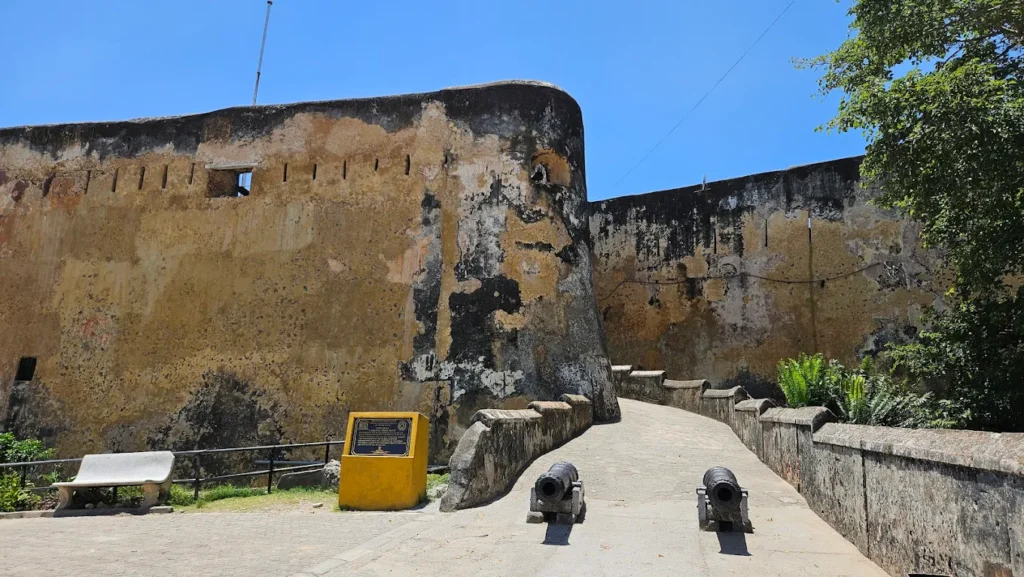
Fort Jesus, Mombasa
Overview
is a renowned nature park located in Bamburi, about 10 km north of Mombasa CBD. Established in 1971, the park is a remarkable example of environmental restoration, transformed from a barren limestone quarry into a thriving ecological sanctuary. Today, Haller Park is home to a variety of wildlife including giraffes, hippos, crocodiles, antelopes, monkeys, and birds, and serves as both a tourist attraction and environmental education center, promoting conservation and sustainable land use along Kenya’s coast.
Use the Free calculator to view accurate ticket charges for the Fort Jesus National Monument. Updated according to official rates set by the National Museums of Kenya.
Fort Jesus National Museum Ticket Calculator
Total: Ksh 0
Purchase Ticket Now⚠️ Calculated price may vary slightly due to payment processing fees.
Powered by Museums.co.ke
Calculation is based on the official National Museums of Kenya entry fees.
Download Official Entry Fees PDFWhy Fort Jesus Mombasa Is a Must-Visit Landmark
Perched on the edge of the Indian Ocean in Mombasa’s Old Town, Fort Jesus National Monument is not only a historical monument but also one of Kenya’s most culturally significant destinations. The fort was built in 1593 during the Portuguese era to protect the East African trade route. It became a key point in hundreds of years of maritime conflict. Today, it is a museum that displays artifacts, old weapons, items from shipwrecks, and cultural exhibits that show how the Swahili Coast has changed over time. History buffs, students, families, and tourists who are keen to learn more about Mombasa's history should definitely visit. The coral-stone walls, well-preserved buildings, and stunning ocean views are all reasons to go. Fort Jesus is one of the most fascinating places to visit in Kenya, whether you are keen to learn about African coastal civilizations or just have a wonderful time as a tourist.
History of Fort Jesus—From Portuguese Fortress to UNESCO World Heritage Site
When and Why Fort Jesus Was Built
The Portuguese built Fort Jesus in 1593 on the orders of King Philip I of Portugal, who wanted to protect the important trade routes in the Indian Ocean. Italian architect Giovanni Battista Cairato designed the fort to protect Portuguese control over the busy port of Mombasa. Its strategic location, which looked out over the narrow entrance to Mombasa Harbor, made it a strong military base. The fort's cross-shaped design was typical of European military engineering at the time, as it combined both defense and fear into its structure.
Battles, Occupations & Major Events
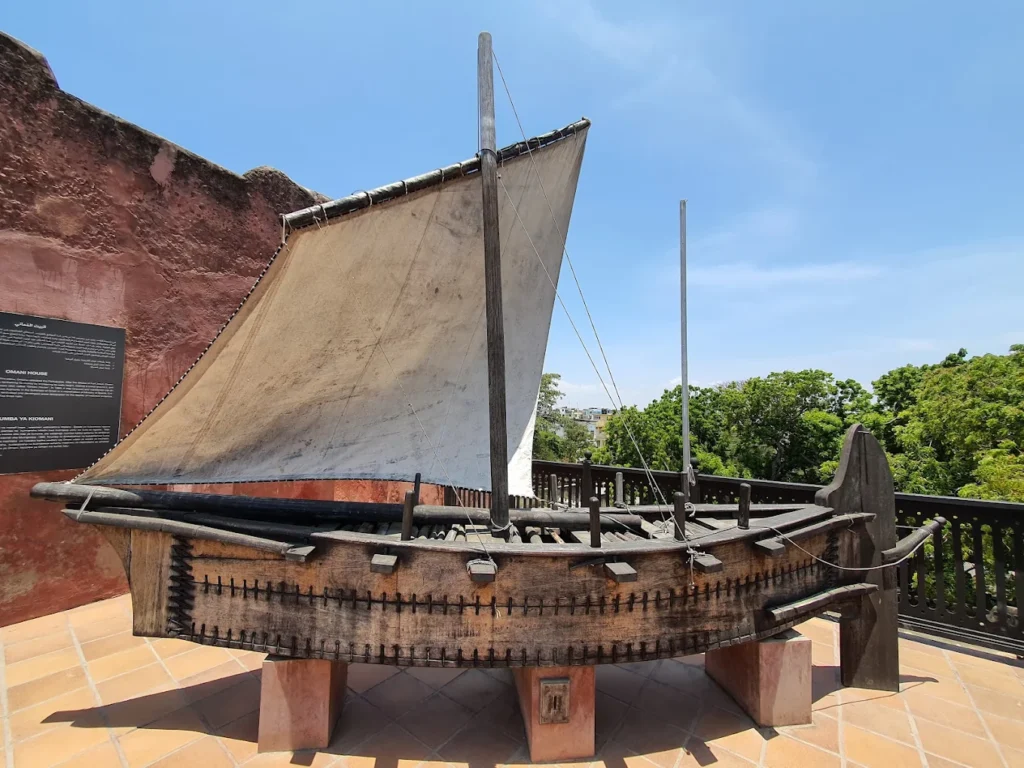
Fort Jesus became one of the most fought-over forts in the area over the years. The Omani Arabs laid siege to the fort after the Portuguese had been in charge for many years. The battles were very fierce and lasted for many years. They finally took the fort in 1698. The Omani occupation turned Fort Jesus into a center for administration and a place to control the area. During the British colonial period, the fort was turned into a prison and a base for the military. You can still see the changes that each group made to the fort, such as changes to the architecture, carvings on the walls, artifacts, and structural reinforcements.
Transition Into a Museum
In the middle of the 20th century, people started to care about keeping Fort Jesus as a national heritage site. The fort was fixed up and turned into a public museum by the National Museums of Kenya after Kenya became independent. In 2011, it was officially named a UNESCO World Heritage Site. This shows how important it is to world culture and how it has shaped the history of the Swahili Coast. Fort Jesus is not only a museum today, but it is also a symbol of strength, architectural brilliance, and hundreds of years of cultural exchange.
Architecture of Fort Jesus—A Masterpiece of 16th-Century Fortification
Layout and Structure
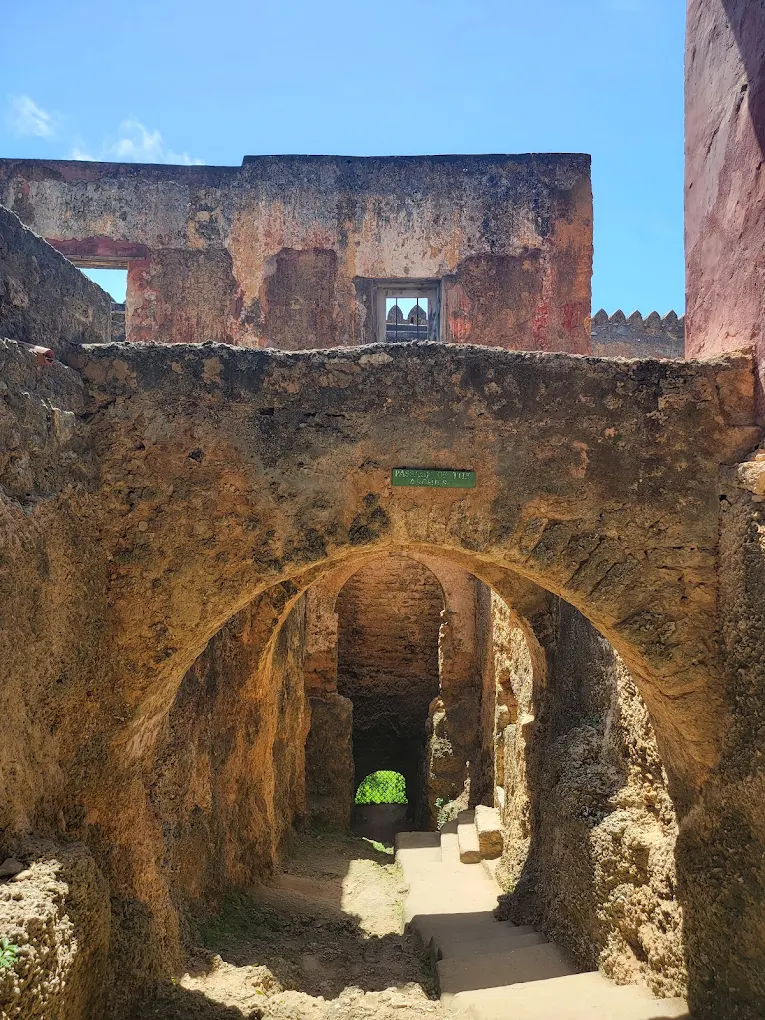
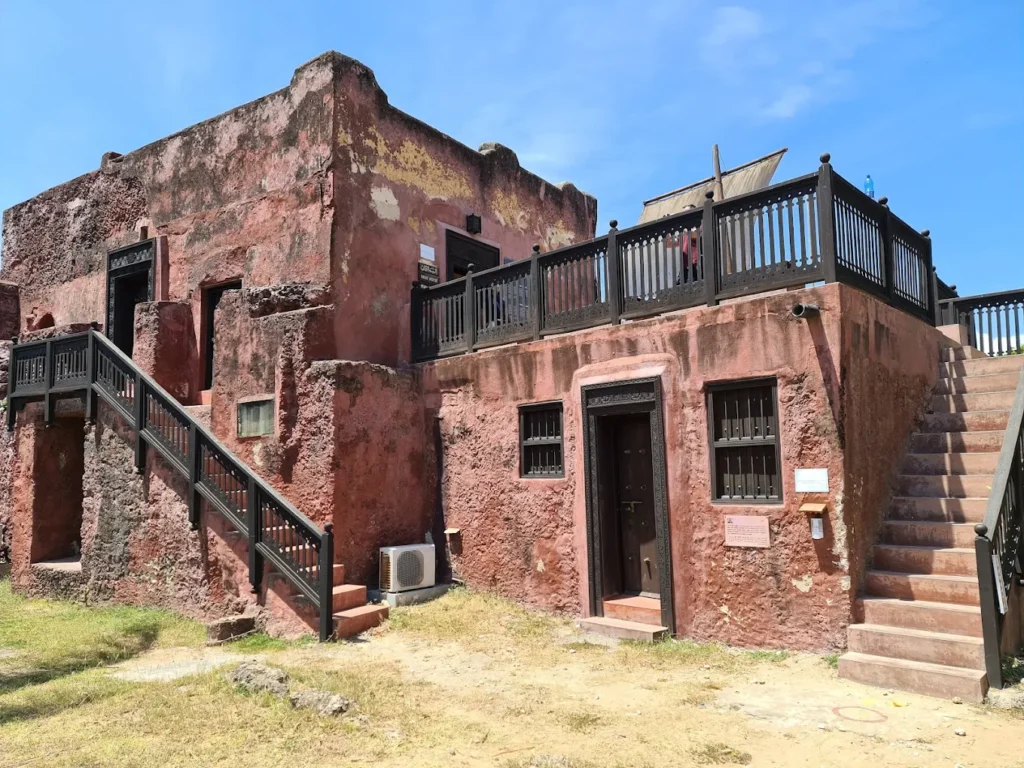
Fort Jesus is celebrated for its distinct cross-shaped layout, a design inspired by European military architecture of the late Renaissance period. While carved out of locally available coral stone, the structure was engineered to repel heavy attacks from both land and sea. Defense guided the construction of its towering walls, deep foundations, bastions, and narrow entry points. Inside the fort, visitors can explore open courtyards, long corridors, underground chambers, ammunition stores, and strategically placed lookout points designed to afford soldiers a clear view of the harbor.
Architectural Inspirations
The fort's design is a mix of Portuguese military engineering and subtle touches from Swahili and Arab craftsmanship. This distinction is because different powers have occupied the area for hundreds of years. The fort's symmetry and geometric accuracy are European in style, while the intricate carvings, calligraphy, and changes made later by Omani Arabs show how different cultures came together to shape the fort over time. The architecture shows how people adapted; each new tenant added things that were useful for their job or military needs.
Artifacts & Exhibits Inside the Museum
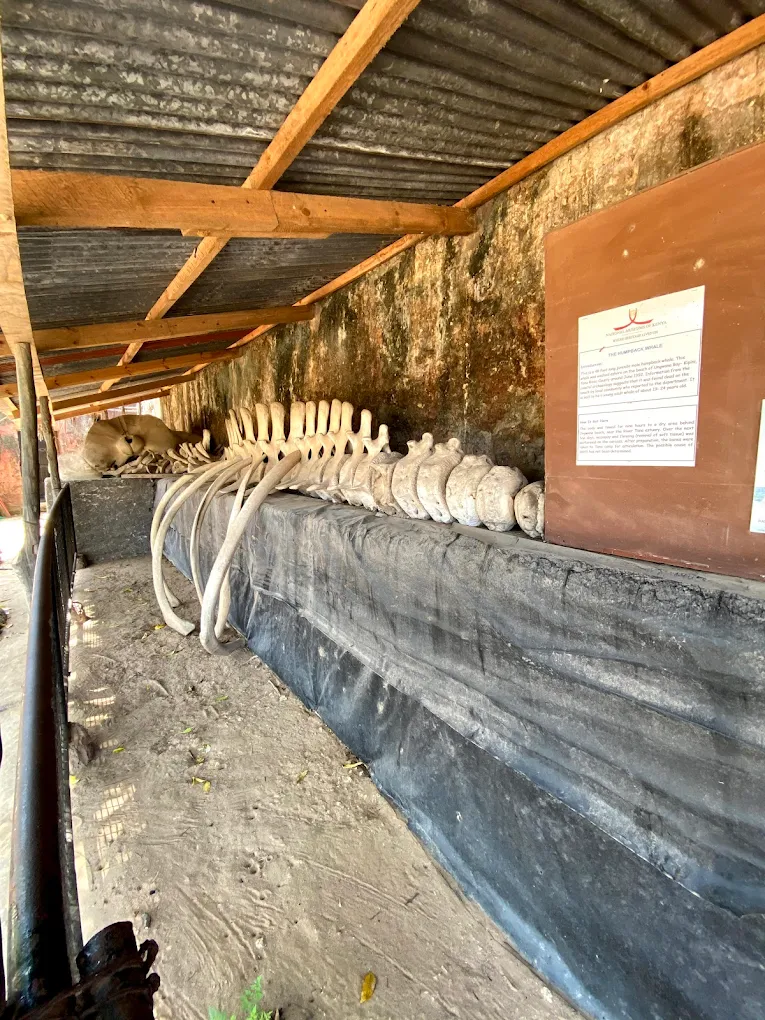
The Fort Jesus museum has a lot of interesting artifacts that were found in Mombasa and the areas around it. These include old Portuguese cannons, Omani jewelry, Chinese and Persian ceramics, shipwreck remains, traditional Swahili household items, and maps that show how trade along the Indian Ocean has changed over time. Each exhibit tells a story about merchants, sailors, explorers, and communities that lived and worked together along the East African coast for hundreds of years. Together, they show that Fort Jesus is more than just a fort; it is a cultural archive that keeps the history of the Swahili Coast alive.
What to Expect When You Visit Fort Jesus
Main Attractions Inside the Fort
When you visit Fort Jesus, you can see history that has been preserved in its coral-stone walls for hundreds of years. As you walk inside, you'll see several interesting places, such as the old torture rooms, the Portuguese barracks, and the Omani living quarters. Each of these areas shows how the fort was used at different times. The inner courtyard is one of the most photographed places, and it has excellent views of the fort's impressive architecture. You can also see the prison cells that were used during British rule and several museum galleries that show off things like shipwrecks, weapons, ceramics, and historical documents. Every turn offers a fresh perspective, allowing visitors to fully immerse themselves in Kenya's coastal heritage.
Fort Jesus Night Show
The Sound and Light Show at Fort Jesus is a must-see. Through stories, music, and colorful lights projected onto the old walls, this show brings the fort's dramatic history to life. The story discusses decisive battles, cultural exchanges, and how Mombasa grew into a coastal hub. Tourists and locals alike love it because it combines fun and learning under the stars. The night show is highly recommended if you want to feel more involved.
Fort Jesus Entry Fees, Opening Hours & Location (Updated Guide)
Fort Jesus Entry Fees
The cost of getting into Fort Jesus depends on the visitor's nationality, age, and type. The National Museums of Kenya divides visitors into three groups: citizens, residents, and non-residents. Rates change from time to time. In general, Kenyan citizens pay the lowest rates, followed by residents. Non-residents pay international rates. Students and kids get lower prices in all categories. Prices may change a little depending on how you pay, what events are going on, or updates to the museum. This is why it's important to check the most up-to-date rate before you go. Use the Fort Jesus Ticket Calculator to calculate how much to pay.
Fort Jesus Opening Hours
Fort Jesus is open every day of the week, which is beneficial for both local and international visitors. The usual hours for visitors are Monday through Sunday from 8:00 AM to 6:00 PM Holidays: Usually open unless otherwise stated These hours let you look around the museum at your own pace, whether you're just stopping by for a few minutes or going on a full guided tour.
Fort Jesus Location & How to Get There
Fort Jesus is on Nkrumah Road in Mombasa Old Town, right by the entrance to Mombasa Harbour. It takes roughly ten to fifteen minutes to get to the fort from the heart of Mombasa, depending on traffic. People can get to the site by: Matatus going through Old Town Tuk-tuks are cheap ways to get there. Private cars are available, and there are places to park nearby. As it's close to Old Town, you can easily combine your visit with a cultural walk through historic streets, markets, and coastal views.
Best Things to Do Around Fort Jesus, Mombasa
Explore Mombasa Old Town
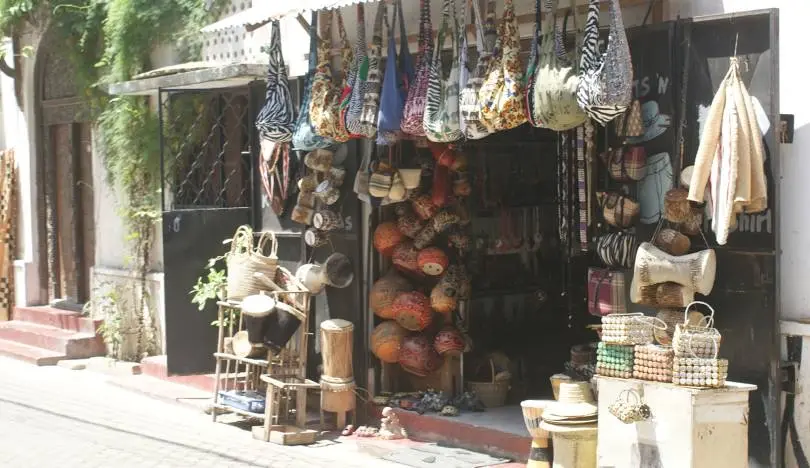
Mombasa Old Town is one of the most culturally rich neighborhoods in Kenya. It's only a short walk from Fort Jesus. The narrow streets, carved wooden doors, old balconies, and buildings that are hundreds of years old show how Swahili, Arab, Persian, Portuguese, and Indian cultures have all come together. You can find small craft shops, antique stores, colorful markets, and local restaurants serving Swahili food as you walk through the alleys. Old Town is the best place to get a taste of the coastal lifestyle and see what makes Mombasa so special.
Visit Nearby Attractions
A single-day itinerary can easily incorporate several other must-see sites surrounding Fort Jesus. Highlights include: Mama Ngina Waterfront—a scenic oceanside promenade perfect for relaxation, sunset views, and photography. Mombasa Tusks (Pembe Za Ndovu)—one of the city’s most iconic landmarks located along Moi Avenue. Likoni Ferry Viewpoint—offering a glimpse into the bustling ferry crossing between Mombasa Island and the mainland. Mbaraki Pillar—a mysterious ancient monument believed to date back centuries. These attractions give visitors a wider appreciation of Mombasa’s historical, architectural, and coastal beauty.
Photography Spots at Fort Jesus
Fort Jesus has many beautiful places for people who love to take pictures. The outer walls have excellent views of the ocean, especially at sunrise and sunset. The stone staircases, arched hallways, and inner courtyard are excellent places to take historical-themed photos. The museum exhibits, cannons, and high lookout points make for captivating storytelling shots that connect the fort's history with the beauty of the Indian Ocean. Fort Jesus is a wonderful place to take pictures, no matter what kind of camera you have.
Fort Jesus Tours—Guided and Self-Guided
Guided Tours
If you are keen to learn more about the architecture, battles, and centuries of occupation at Fort Jesus Mombasa, guided tours are one of the best ways to do it. Local guides, many of whom have worked at the fort for years, tell amazing stories that connect historical events to the exact places where they happened. On guided tours, you can often learn a lot about the Portuguese design, the changes made by the Omanis, and the additions made during the British era. The price is usually reasonable, and tours last from 45 minutes to an hour and a half, depending on how much you want to learn. A guided tour is highly recommended for people who are going to the site for the first time.
Self-Guided Tours
A self-guided tour is a great choice if you want to explore at your pace. You can walk around the courtyards, tunnels, cannons, and museum areas without any restrictions. You can also peruse the information boards strategically placed throughout the site. Some people download maps or light audio guides from the internet to help them get around without a guide. Self-guided tours usually last one to two hours, which is enough time to see every part of the fort without feeling rushed.
Interesting Facts About Fort Jesus, Mombasa
Fort Jesus is full of surprising stories, clever architectural secrets, and historical details that many visitors never learn about. Here are some of the most fascinating facts that make this fortress truly unique:
Hidden Tunnels Beneath the Fort
People believe that the old tunnels under Fort Jesus served as escape routes and secret movements during wars. Some also linked the fort to the sea, which let troops get supplies or escape during sieges. Most tunnels are closed off now for safety reasons, but their presence makes the fort's long history more fascinating.
Cannons That Tell the Story of Coastal Warfare
Throughout the site, you’ll find original Portuguese and Omani cannons positioned along the walls. Many of these cannons were used in real battles, and some were recovered from shipwrecks along the East African coast. Each cannon is marked with symbols indicating its origin and age.
A Fort Shaped Like a Human Body
Seen from above, Fort Jesus resembles the shape of a human figure lying on its back. Historians believe this design was unintentional but resulted from the architectural style used by the Portuguese at the time. This unusual shape is part of what makes the fort architecturally distinct from other forts around the world.
The Longest Siege in East African History
The Omani siege of Fort Jesus, which took place from 1696 to 1698, is considered one of the longest sieges recorded on the East African coast. Hundreds of soldiers and civilians lived inside the fort under harsh conditions for two years until the Portuguese eventually lost control to the Omani Arabs.
Its UNESCO World Heritage Status
Fort Jesus was formally declared a UNESCO World Heritage Site in 2011, recognizing its outstanding universal value as one of the best-preserved examples of 16th-century Portuguese military architecture. Its blend of cultural influences and long, multilayered history played a key role in earning this recognition.
Practical Tips for Visiting Fort Jesus
Best Time to Visit
The best time to go to Fort Jesus is in the morning, between 8:00 AM and 11:00 AM, when the weather is cooler and there aren't as many people there. Late afternoon before closing is the best time for dramatic views or photography. The lighting is warm, and the ocean views are beautiful. When the weather is dry, from January to March or July to October, is the best time for travelers to go to Mombasa. The humidity on the coast is lower, and it's easier to explore outside.
What to Bring
Because Fort Jesus involves walking through open courtyards, stone pathways, and sunlit areas, it’s helpful to come prepared. Consider carrying: Comfortable walking shoes, A hat or cap, Drinking water, Sunscreen, A camera or smartphone for photos If you plan to visit Old Town afterward, wearing light clothing is ideal because of the coastal heat.
Safety & Tourist Considerations
Fort Jesus is generally a safe destination for tourists and families. However, like any popular attraction, it’s wise to take basic precautions such as keeping personal items secure and staying within designated visitor areas. Local guides are always available near the entrance, and many are licensed and knowledgeable. The surrounding area—including Old Town—is safe during the day, though it’s recommended to stay within busy streets and avoid walking alone late at night. The fort also has staff on-site to assist with visitor inquiries.
Why Fort Jesus Should Be on Your Kenyan Travel Bucket List
Fort Jesus Mombasa is not just a historical site; it is also a powerful way to learn about the Kenyan coast's cultural, architectural, and maritime history. The fort has a dramatic history that includes Portuguese, Omani, and British rule. Today, it is a lively museum and UNESCO World Heritage Site. It offers an experience that combines learning, exploration, and stunning views. Fort Jesus promises an unforgettable journey through time, whether you're a history buff, a traveler looking for real cultural stories, or a family looking for a fun day out. It is a must-see landmark for anyone exploring Kenya's coastal treasures because it is close to Mombasa Old Town, has beautiful views of the ocean, and has unique exhibits.
FAQs About Fort Jesus, Mombasa
How long does it take to tour Fort Jesus?
A full tour of Fort Jesus typically takes 1 to 2 hours, depending on whether you choose a guided or self-guided experience. Guided tours are shorter but more detailed, while self-guided walks let you explore at your own pace.
Is Fort Jesus safe for tourists?
Yes. Fort Jesus is one of the safest and most visitor-friendly attractions in Mombasa. The site is managed by the National Museums of Kenya, with security staff and guides available throughout the day. As with any major attraction, basic caution is recommended.
Can you take photos inside Fort Jesus?
Absolutely. Visitors are allowed to take photos both inside and outside the fort. The inner courtyard, museum exhibits, cannons, and ocean viewpoints make excellent photography spots. Only professional filmmakers may need special permissions.
Is Fort Jesus child-friendly?
Yes. Children can explore most areas of the fort, and many schools frequently organize educational tours. However, some sections with narrow stairs or uneven floors require supervision.
Do you need a guide to tour Fort Jesus?
A guide is not mandatory but highly recommended. Guides provide historical context and help bring the fort’s stories to life, making your visit more engaging and informative. Self-guided tours are also available for those who prefer independence.
The Museum Gallery
Tickets Purchase
You can buy tickets for the Fort Jesus Museum ahead of time on the eCitizen portal or at the museum's ticketing desks when you get there. eCitizen accepts several payment methods, such as M-Pesa, Visa card, and bank transfers. To make things easier, it is best to buy online.
National Museums Ticket Calculator
Find out how much it costs to go to any museum or historical site in Kenya right away. This calculator gives you the exact ticket prices for 2025 for citizens, residents, and visitors from other countries at all NMK museums, monuments, galleries, and archaeological sites. Kenya Museum Entry Fee Calculator: Find Out How Much It Costs to Visit All Museums and Heritage Sites
museums entry fees by the National Museums of kenya
Contacts
You can reach in touch with the curator at the Fort Jesus Museum, P.O. BOX 82412-80100, Mombasa, Kenya.
041-2225934 or 041-2220058 via phone
[email protected] is the email.