Discovering Vasco da Gama's Pillar: Malindi's Historic Landmark
Uncover the rich history of Malindi's Vasco da Gama's Pillar, a breathtaking landmark that stands as a testament to maritime exploration and adventure.
Historical Significance of the Pillar
Vasco da Gama's Pillar, erected in 1498, is a historic monument that marks the arrival of the Portuguese explorer on the East African coast. This pillar is not just a stone structure but a symbol of the beginning of a new era in global navigation and trade. It signifies the moment when European explorers began to map previously unknown parts of the world, eventually leading to the Age of Discovery. The pillar stands as a testament to the intrepid spirit of exploration that characterized the late 15th and early 16th centuries.
The site of the pillar itself is steeped in historical importance. Located in Malindi, a town on the Kenyan coast, the monument signifies the friendly relations established between Vasco da Gama and the local Swahili population. This friendship was pivotal for da Gama, who was seeking a maritime route to India. The cooperation and guidance provided by the people of Malindi were crucial for the success of this mission. The pillar thus represents not only the meeting of two different worlds but also a collaboration that had lasting impacts on global trade and navigation.
Over the centuries, the pillar has witnessed numerous historical events, from the flourishing of trade along the Swahili coast to the colonial struggles of the 19th and 20th centuries. It stands as a silent witness to the ebb and flow of history, embodying the resilience and endurance of the local culture. Today, it is a protected national monument, drawing visitors from around the world who come to marvel at its historical significance and the stories it holds.
The Journey of Vasco da Gama to Malindi
Vasco da Gama's journey to Malindi was a formidable feat of navigation and endurance. Setting sail from Lisbon in 1497, da Gama led a fleet of four ships on a perilous voyage around the Cape of Good Hope. The expedition faced numerous challenges, including treacherous weather, unfamiliar seas, and the threat of scurvy among the crew. Despite these adversities, da Gama's determination and navigational skills saw them through the dangerous waters of the southern Atlantic and into the Indian Ocean.
The arrival of Vasco da Gama in Malindi in April 1498 marked a pivotal moment in the history of maritime exploration. Unlike his earlier experiences in other parts of the African coast, da Gama found a warm reception in Malindi. The Sultan of Malindi, recognizing the potential benefits of establishing trade relations with the Portuguese, welcomed da Gama and his crew. This strategic alliance was greatly beneficial for da Gama, who received a pilot from Malindi to guide his fleet across the Indian Ocean to India.
The successful navigation from Malindi to Calicut in India was a landmark achievement that opened up a sea route for trade between Europe and Asia. This route not only facilitated the exchange of goods but also the spread of ideas, cultures, and technologies between the East and the West. Vasco da Gama's journey thus had far-reaching consequences, altering the course of global history and establishing new pathways for international trade and cultural exchange.
Architectural Features of the Pillar
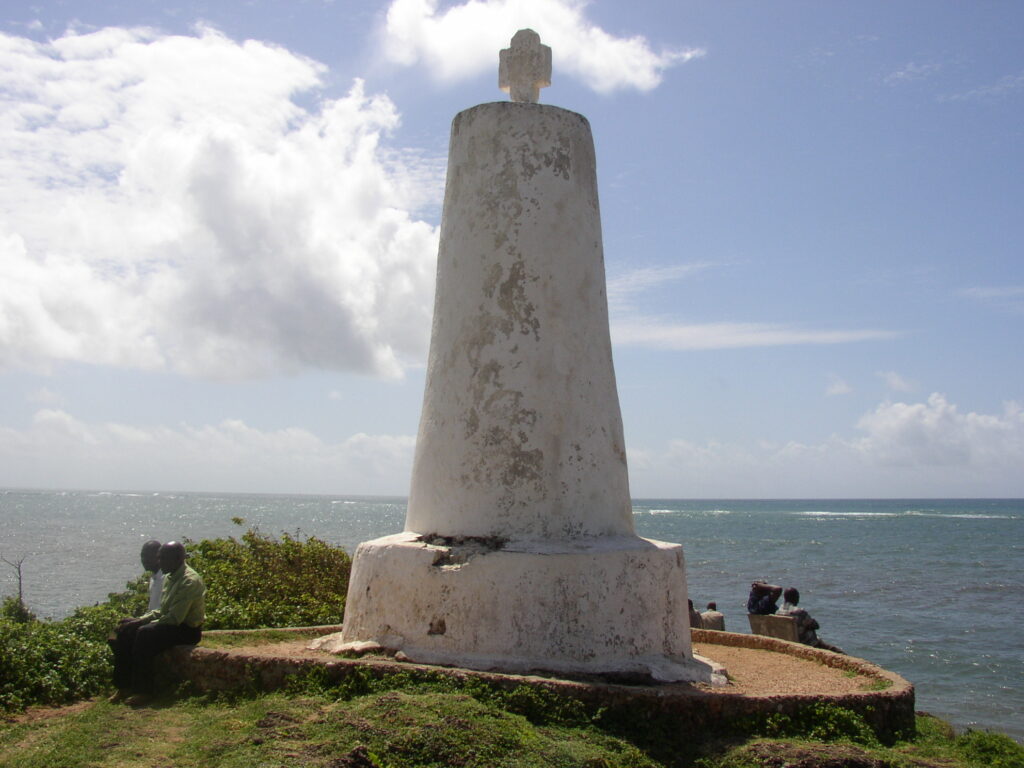
The Vasco da Gama Pillar is an iconic structure that showcases a blend of simplicity and historical grandeur. Standing at approximately 15 meters tall, the pillar is made of coral stone, a material that has been used in the region for centuries due to its durability and availability. The use of coral stone gives the pillar a distinctive texture and appearance, blending harmoniously with the coastal landscape.
One of the most striking features of the pillar is the cross that crowns its top. This is a testament to the religious motivations behind many of the Portuguese explorations during the Age of Discovery. The cross signifies not only the Christian faith of the explorers but also the spread of Christianity to new lands. This religious symbol atop the pillar serves as a reminder of the intertwined goals of exploration, trade, and missionary work that characterized the era.
The pillar's design is relatively simple yet profoundly symbolic. Its towering presence is a beacon that can be seen from the sea, guiding sailors much like it did centuries ago. The base of the pillar is solid and wide, providing the necessary support for the tall structure. The simplicity of its architecture belies the complex history and cultural interactions it represents, standing as a silent yet powerful witness to centuries of maritime history.
Cultural Impact on Local Communities
The arrival of Vasco da Gama and the subsequent erection of the pillar had significant cultural implications for the local communities in Malindi. The initial encounter between the Portuguese and the Swahili people was marked by mutual respect and cooperation, setting the stage for a cultural exchange that would have lasting impacts. The local community's willingness to assist da Gama and the subsequent establishment of trade relations fostered a period of relative prosperity and cultural blending.
This cultural exchange is evident in various aspects of local life, from architecture to language. The influence of Portuguese interactions can be seen in some of the architectural styles that emerged in the region, blending Swahili and Portuguese designs. Additionally, the exchange of goods and ideas facilitated by the new trade routes introduced new crops, culinary practices, and even linguistic elements to the local culture. The Swahili language, for instance, incorporates several Portuguese loanwords, reflecting this historical interaction.
The legacy of this cultural exchange continues to be felt today. The people of Malindi take pride in their rich history and the role their ancestors played in global exploration. The pillar itself has become a symbol of this shared heritage, attracting visitors who come to learn about and celebrate the cultural diversity and historical significance of the region. The story of Vasco da Gama and the pillar serves as a reminder of the interconnectedness of different cultures and the enduring impact of historical events on contemporary society.
The Pillar's Role in Maritime History
Vasco da Gama's Pillar holds a crucial place in the annals of maritime history. It marks the successful establishment of a sea route from Europe to India via the Cape of Good Hope, a monumental achievement that revolutionized global trade. Prior to this discovery, the overland routes to Asia were long, arduous, and fraught with danger. The sea route opened up by da Gama's journey allowed for faster, safer, and more efficient transportation of goods, significantly boosting trade between Europe and Asia.
The establishment of this sea route had profound economic implications. It allowed European nations to bypass the traditional middlemen in the overland trade routes, leading to the rise of powerful maritime empires. Portugal, in particular, benefited immensely from this new route, establishing a vast network of trading posts and colonies along the coasts of Africa, India, and beyond. The increased flow of goods, such as spices, silk, and precious metals, ushered in a period of economic prosperity and growth for the Portuguese Empire.
The pillar also symbolizes the broader themes of exploration, discovery, and the human spirit's quest for knowledge and adventure. It stands as a testament to the bravery and ingenuity of sailors and explorers who ventured into the unknown, driven by the desire to chart new territories and expand the horizons of human understanding. The legacy of Vasco da Gama's journey and the pillar continues to inspire modern-day explorers and adventurers, reminding us of the enduring human spirit of curiosity and exploration.
Visiting Malindi: Tips and Recommendations
For those interested in exploring the rich history and cultural heritage of Malindi, a visit to Vasco da Gama's Pillar is a must. Situated on a picturesque cliff overlooking the Indian Ocean, the pillar offers breathtaking views and a serene atmosphere. The site is easily accessible and provides ample opportunities for photography, making it a popular destination for tourists and history enthusiasts alike.
When planning a visit, it is advisable to go during the cooler months, typically between June and September, to avoid the sweltering heat of the Kenyan coast. Early mornings or late afternoons are ideal times to visit, as the temperatures are more comfortable, and the lighting is perfect for capturing stunning photographs. It is also recommended to hire a local guide who can provide valuable insights into the history and significance of the pillar, enhancing the overall experience.
In addition to visiting the pillar, there are several other attractions in Malindi that are worth exploring. The Malindi Marine National Park offers opportunities for snorkeling and diving, allowing visitors to experience the vibrant marine life of the Indian Ocean. The town itself is rich in history, with several colonial-era buildings, markets, and cultural sites to explore. A visit to Malindi provides a well-rounded experience, combining history, culture, and natural beauty.
Related Historical Sites in Malindi
Malindi is a treasure trove of historical sites that provide a glimpse into its rich past. One such site is the Church of St. Francis Xavier, one of the oldest churches in East Africa. Built in the early 16th century by Portuguese missionaries, the church stands as a testament to the spread of Christianity in the region. Its simple yet elegant architecture, along with its historical significance, makes it a must-visit for those interested in the religious history of Malindi.
Another notable site is the Malindi Museum, housed in a historic building that was once the residence of a wealthy Arab trader. The museum offers a fascinating collection of artifacts, including traditional Swahili items, Portuguese relics, and exhibits on the local culture and history. It provides a comprehensive overview of Malindi's diverse heritage and the various influences that have shaped the town over the centuries.
The ruins of Gedi, located a short distance from Malindi, are another significant historical site. Gedi was a thriving Swahili city-state in the 13th to 17th centuries, and its ruins provide a glimpse into the sophisticated urban planning and architecture of the time. The site includes remnants of houses, a palace, mosques, and tombs, all surrounded by lush forest. A visit to Gedi offers a unique opportunity to explore the remnants of a once-prosperous city and gain insights into the region's pre-colonial history.
Preservation Efforts for Vasco da Gama's Pillar
Preserving Vasco da Gama's Pillar is of paramount importance to ensure that future generations can continue to appreciate and learn from this historic landmark. Over the years, various efforts have been made to protect and maintain the pillar, recognizing its significance as a cultural and historical treasure. These efforts are crucial in safeguarding the monument against the ravages of time, weather, and human activity.
One of the key preservation strategies has been the designation of the pillar as a national monument, providing it with legal protection and ensuring that any activities in its vicinity are carefully regulated. Regular maintenance and conservation work are carried out to address issues such as erosion, weathering, and structural integrity. This includes cleaning the pillar, reinforcing its base, and repairing any damage caused by natural elements or human interference.
Community involvement and awareness are also essential components of preservation efforts. Local communities play a vital role in safeguarding the pillar by promoting responsible tourism and educating visitors about its historical significance. Collaborative initiatives between government bodies, conservation organizations, and local communities ensure that preservation efforts are sustainable and effective. Through these collective efforts, Vasco da Gama's Pillar continues to stand as a proud symbol of Malindi's rich history and cultural heritage.
Conclusion: The Legacy of Vasco da Gama's Pillar
Vasco da Gama's Pillar is more than just a monument; it is a symbol of exploration, cultural exchange, and the enduring human spirit. It stands as a testament to the bravery and determination of explorers like Vasco da Gama, who ventured into the unknown and forever changed the course of history. The pillar's historical significance, architectural features, and cultural impact make it a valuable heritage site that continues to inspire and educate.
The legacy of Vasco da Gama's Pillar is multifaceted, encompassing maritime history, cultural interactions, and the spirit of discovery. It serves as a reminder of the interconnectedness of different cultures and the profound impact of historical events on contemporary society. By preserving and honoring this landmark, we ensure that future generations can continue to learn from and be inspired by the stories it represents.
As visitors stand before Vasco da Gama's Pillar, gazing out at the vast expanse of the Indian Ocean, they are reminded of the courage and vision of those who came before them. The pillar is a beacon of history, guiding us to reflect on the past, appreciate the present, and look forward to the future with a sense of curiosity and adventure. It is a timeless reminder of the enduring legacy of exploration and the indomitable human spirit.
References
- Wikipedia contributors. “Vasco da Gama Pillar, Malindi.” Wikipedia, The Free Encyclopedia.
- National Museums of Kenya. “Vasco da Gama Pillar.” Official heritage site profile, NMK.
- National Museums of Kenya. “Vasco da Gama Pillar – Visitor Information.” Government of Kenya.
- Tripadvisor LLC. “Vasco da Gama Pillar Reviews.” User-generated travel reviews.
- João Around The World. “Vasco da Gama Pillar in Malindi.” Travel and historical commentary.
Information on this page is based on official publications and publicly available records from the National Museums of Kenya, the Government of Kenya, and reputable historical and travel references.