Takwa Ruins
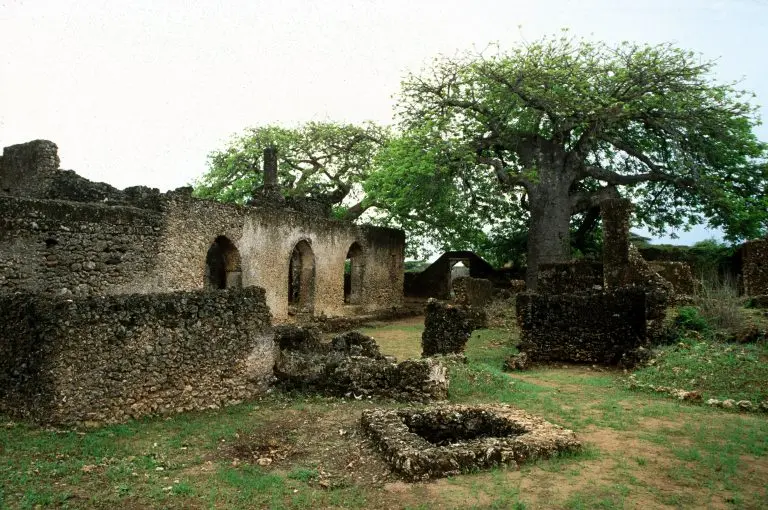
The Silent Sentinels of Manda Island
Lying just across the narrow channel from the bustling, UNESCO-listed Lamu Old Town is a place where time doesn’t just slow down—it seems to have stopped entirely centuries ago. The Takwa Ruins (often spelled Taqwa Ruins) represent one of the most significant and atmospheric Swahili archaeological sites on the Kenyan coast. While many travelers flock to the archipelago for the beaches of Shela or the narrow alleys of Lamu, those who venture to the south-eastern corner of Manda Island discover a hauntingly beautiful coral stone city reclaimed by the roots of ancient baobabs and the surrounding mangroves.
Takwa was once a thriving 15th-century Swahili trading post, but unlike the commercial hubs of Mombasa or Malindi, it felt more like a sanctuary. Today, as a protected National Monument under the National Museums of Kenya, it stands as a testament to the sophistication of the Swahili Golden Age. For any traveler exploring the Takwa Ruins in Kenya, the experience is as much about the journey through the tidal channels as it is about the history etched into the weathered grey walls.
Where is Takwa Ruins located? (Geography & Access)
If you are wondering where Takwa Ruins located, you’ll find them tucked away on the edge of a creek on Manda Island. Its positioning was strategic—offering protection from the open sea and unwanted visitors while remaining accessible to the seafaring merchants of the Indian Ocean.
Navigating the Tides
Accessing the Takwa Ruins location is an adventure in itself. Because the ruins sit at the end of a shallow mangrove creek, access is strictly dictated by the moon and the tides.
By Boat: The most common way to reach the site is by hiring a traditional dhow or a motorboat from Lamu Town or Shela.
The Window of Opportunity: You can only reach the ruins during high tide. At low tide, the creek turns into a thick mudflat, making it impossible for boats to pass.
The Journey: The 30 to 45-minute boat ride takes you through winding “forests” of mangroves. It is a birder’s paradise, where you can often spot kingfishers, herons, and even the occasional fish eagle.
Walking from Shela
For the more adventurous, it is possible to walk to the ruins from the Shela side of Manda Island during low tide, but this is rarely recommended without a local guide. The terrain is a mix of sandy dunes and thick scrub, and it is easy to lose your way. Most visitors prefer the scenic boat route, which perfectly sets the mood for arriving at a “lost city.”
A Glimpse into the Past: The History of Takwa Ruins
The Takwa Ruins history is a fascinating blend of archaeology and oral tradition. Established around 1500 AD, the settlement flourished for roughly 200 years. At its peak, it was home to an estimated 2,000 to 3,000 people.
The Holy City
Archaeologists believe Takwa wasn’t just a typical trading village. Its layout and the prominence of its religious structures suggest it may have been a “Holy City” or a place of retreat for religious leaders. The orientation of the buildings and the density of mosques within the walls point to a population deeply rooted in Islamic tradition and Swahili scholarship.
The Mystery of the Great Abandonment
By the late 17th century, Takwa was mysteriously abandoned. Why would a thriving community suddenly leave such a well-built city? There are two primary theories that historians debate:
Ecological Collapse: The most likely culprit was the salination of their fresh water wells. As the sea encroached or the water table shifted, the lifeblood of the city vanished.
Conflict: Oral history suggests that rising tensions and frequent skirmishes with the inhabitants of nearby Pate Island made the location untenable.
According to local legend, the people of Takwa didn’t go far. They migrated across the water to found the village of Shela. To this day, the people of Shela consider Takwa their ancestral home, and many return to the ruins annually to pray for rain or success—a tradition that keeps the spirit of the ruins alive.
Architectural Marvels – What to See at the Site
Walking through the gate of the ruins, you are immediately struck by the preservation of the coral stone structures. Unlike many other coastal sites that have crumbled into piles of rubble, the core of Takwa remains remarkably intact, allowing you to visualize the daily lives of its former inhabitants.
The Great Mosque of Takwa
The centerpiece of the settlement is undoubtedly the Great Mosque. It is a masterpiece of Swahili coral architecture. As you stand within its walls, look closely at the mihrab (the niche indicating the direction of Mecca). It is finely carved and stands as a symbol of the community’s craftsmanship and devotion. The mosque’s large size suggests it served not just the local residents, but perhaps visiting pilgrims from across the Lamu Archipelago.
The Pillar Tomb
Just outside the mosque walls lies one of the most photographed features of the site: the uniquely designed Pillar Tomb. This structure is a hallmark of Swahili funerary architecture. The pillar itself is inscribed with an Arabic epitaph, though much of it has been weathered by the salty sea air over the centuries. Local tradition suggests that this tomb belongs to a prominent holy man or a “shariff,” further cementing the theory that Takwa was a spiritual epicenter.
Residential Layout and the “Doorway to the Past”
As you wander deeper into the site, you will see the remains of private dwellings. The houses were built with thick coral rock walls and lime mortar, designed to keep the interiors cool during the sweltering coastal afternoons. You can still see the recessed wall niches (zidaka), which were used to display Chinese porcelain and other luxury goods—evidence of the global trade reach this small “holy city” once enjoyed.
Planning Your Visit – Essential Practical Information
As a site managed by the National Museums of Kenya, entry fees are tiered based on your residency status. It is advisable to carry your ID or passport for verification.
Takwa Ruins Entry Fees
| Visitor Category | Adults (Ksh) | Children (Ksh) |
|---|---|---|
| Kenyan Citizens | Ksh 100 | Ksh 50 |
| East African Residents | Ksh 400 | Ksh 200 |
| Non-Residents | Ksh 500 | Ksh 250 |
Note: Prices are subject to National Museums of Kenya (NMK) regulations.
Opening Hours
The ruins are open daily, providing ample time for exploration:
Monday to Sunday: 8:30 am – 6:00 pm
Public Holidays: 8:30 am – 6:00 pm
The “Tide Factor” Reminder
While the gates are open from early morning, your actual visiting time will be dictated by the ocean. Always consult with your boat captain the day before. If you arrive too late and the tide begins to recede, you risk your boat getting stuck in the mangrove mud, turning a 45-minute trip into a much longer (and muddier) ordeal.
What to Bring
Hydration: There are no shops or kiosks at the ruins. Carry at least two liters of water per person.
Sun Protection: While the ruins have some shade from baobab trees, the boat ride and the walk through the site are exposed.
Footwear: Wear sturdy sandals or sneakers. The coral stone can be sharp and the ground uneven.
Photography at Takwa – Capturing the Golden Hour
If you have been searching for Takwa ruins photos online, you’ve likely seen the stunning contrast of grey coral stone against the vibrant green of the surrounding forest.
The best time for photography is usually the late afternoon (if the tide permits). The “Golden Hour” light softens the harsh textures of the coral rag and brings out the intricate details in the mosque’s carvings. For those with a wide-angle lens, the towering baobabs that have grown into and over the walls provide a “Ta Prohm” (Cambodia) vibe that is rare to find elsewhere in East Africa.
Beyond the Ruins – Exploring Manda Island
While the ruins are the primary draw, Takwa ruins on Manda Island offer more than just archaeology. The journey to the site takes you through a delicate mangrove ecosystem that acts as a nursery for many Indian Ocean fish species. Many visitors choose to combine their trip with a sunset dhow sail or a visit to the nearby Manda Bay for a contrast between ancient history and modern coastal luxury.
The Spiritual Significance—Why it Matters Today
Takwa is not a “dead” city. For the residents of Shela and Lamu, it remains a sacred site. It is common to see remnants of recent offerings or to hear stories of local elders visiting the Taqwa Ruins to pray for community well-being. This living connection is what separates Takwa from many other ruins; it is a place where the past still informs the spiritual present.
Frequently Asked Questions (FAQs)
How do I get to Takwa Ruins from Lamu Town?
The easiest way is by hiring a dhow or motorboat. The trip takes about 30–45 minutes and must be timed with the high tide.
Is there an entrance fee?
Yes, non-residents pay KES 500 (~$4), while Kenyan citizens pay KES 100.
Can I visit without a guide?
While you can walk through the site alone, a local guide is highly recommended to explain the historical significance of specific carvings and structures.
What should I wear?
Lamu is a conservative area. While the ruins are isolated, it is respectful to wear modest clothing (shoulders and knees covered) during your boat transit and while exploring.
Why Takwa Remains Lamu’s Best Kept Secret
The Takwa Ruins offer a rare opportunity to step out of the modern world and into a silent, storied past. Whether you are a history enthusiast interested in the Takwa ruins’ history or a photographer looking for that perfect shot of a baobab—a strangled wall—this site delivers a sense of peace and mystery that is hard to find elsewhere. It is a vital chapter in the story of the Swahili Coast and a highlight of any Kenyan coastal itinerary.