Nairobi National Park—Complete Guide to the Only National Park in Nairobi
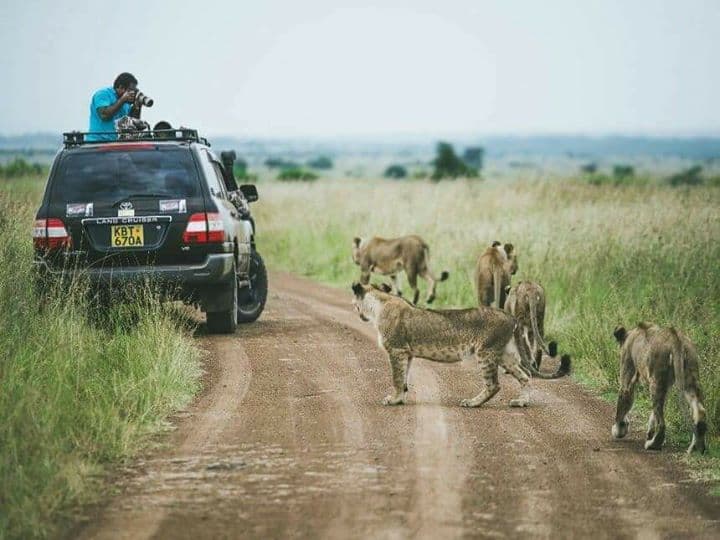
Nairobi National Park Kenya Overview
| Feature | Details & Information |
|---|---|
| Wildlife Diversity | Over 100 mammal species (Lion, Leopard, Cheetah, Black Rhino, etc.) |
| Avian Life | 400+ migratory and endemic bird species |
| Park Dimensions | 117 sq. km (45 square miles) |
| Climate | Jan-Mar (Dry), Apr-Jun (Wet), Jul-Oct (Peak Dry) |
| Best Time to Visit | All year round (Peak: June to September) |
| Event Facilities | Sites for corporate events, weddings, and film production (Mokoyiet, Kingfisher) |
Nairobi distinguishes itself from most major global cities by boasting an officially recognized national park situated directly on the city’s edge. Nairobi National Park is a unique conservation area where wildlife coexists with urban life.
This guide will help you fully understand Nairobi National Park, including what makes it special, where it is, what you can see there, and why it is one of Kenya’s most important protected areas. This article will help you plan with confidence, whether you are a first-time visitor, a resident of Nairobi, a student, or a traveler planning a short safari.
History and Conservation Role of Nairobi National Park
To fully appreciate Nairobi National Park, it is essential to understand its role in Kenya’s conservation landscape. Given its proximity to a fast-expanding metropolis, this park is more than just a tourist attraction; it is one of the most significant conservation success stories in the nation.
Establishment
Kenya’s first national park, Nairobi National Park, was created in 1946. Nairobi was considerably smaller back then, and the plains around it were home to significant populations of wildlife that roamed freely across the present-day capital area. The park was created to:
Protect wildlife habitats close to Nairobi
Preserve Kenya’s natural heritage
Provide a controlled space for conservation, education, and research
As Nairobi expanded, the park’s significance as a buffer between urbanization and wildlife protection increased over time.
Role of Kenya Wildlife Service (KWS)
The Kenya Wildlife Service (KWS), the government agency responsible for protecting Kenya’s wildlife and national parks, manages Nairobi National Park. Under KWS management, the park serves multiple roles:
Wildlife protection, including endangered species such as black rhinos
Conservation research and monitoring
Environmental education for schools and universities
Sustainable tourism, ensuring visitors can experience wildlife responsibly
Wildlife at Nairobi National Park
The amazing variety of wildlife found so near a large city is one of the primary draws for visitors to Nairobi National Park. Notwithstanding its urban setting, the park is home to a diverse range of mammals, birds, and plants that rivals that of many of Kenya’s more isolated safari locations.
Animals You Can See in Nairobi National Park
A variety of wildlife species, including several well-known African creatures, may be found in Nairobi National Park. Predators and herbivores find the park’s wide grasslands, sporadic acacia trees, and riverine habitats to be perfect. Some of the most commonly seen animals include
Lions—Often spotted resting in the grasslands, especially in the early morning
Black and white rhinos—Nairobi National Park is one of Kenya’s most important rhino sanctuaries
Giraffes—Frequently seen browsing on acacia trees
Buffaloes—usually found grazing in herds
Zebras and wildebeest—common throughout the park
Cheetahs and leopards—more elusive, but occasionally seen by lucky visitors
Because the park is relatively compact, wildlife sightings are frequent, making it an excellent choice for first-time safari visitors and short game drives.
Birdlife and Biodiversity
Beyond large mammals, Nairobi National Park is also an important destination for birdwatching. The park has recorded over 400 bird species, ranging from waterbirds along the rivers to raptors soaring above the plains. Bird enthusiasts may spot:
Ostriches
Secretary birds
Crowned cranes
Martial eagles
Various migratory species depending on the season
This diversity adds another layer to the safari experience and attracts photographers, researchers, and nature lovers throughout the year.
Why Nairobi National Park Is Globally Unique
Nairobi National Park is more than just another place in Kenya to see animals. It has a unique feature: it is the only national park in the world that is next to a capital city. Lions, rhinos, giraffes, and buffaloes roam freely in a protected ecosystem just a few kilometers from Nairobi’s central business district. You can see modern buildings in the distance.
The fact that Nairobi National Park is in such a unique place is what makes it special. This is a wonderful place for people who want to go on a real African safari without having to travel far. It serves the following well:
Short stays in Nairobi
Day trips and educational visits
First-time safari experiences
Wildlife photography with a dramatic city backdrop
National Parks in Nairobi—How Many Are There?
There is only one national park in Nairobi, and that is Nairobi National Park.
Country: Kenya
City: Nairobi
Status: Only national park in Nairobi
Management: Kenya Wildlife Service (KWS)
Experience: Full safari within city limits
Where Is Nairobi National Park Located?
Nairobi National Park is situated approximately 7 kilometers south of Nairobi’s Central Business District (CBD). Despite being so close to the city, the park is fully fenced on three sides to protect wildlife, while the southern boundary remains open to allow natural animal migration. This strategic location allows visitors to:
Enjoy a full safari experience without leaving. Nairobi
Combine wildlife viewing with other city activities
Visit the park on a half-day or day trip
One of the best things about Nairobi National Park is where it is. Nairobi National Park is one of the easiest national parks to get to in Africa because it is located right in Nairobi. Most wildlife destinations in Kenya require long road trips or flights. This advantage is especially true for people who don’t have a lot of time or who are only in Nairobi for business, conferences, or short stays. The contrast between open savannah, roaming wildlife, and Nairobi’s skyline is one of the park’s defining features and a major reason why Nairobi National Park, Kenya, attracts both local and international attention.
Nairobi National Park Main Gate and Entrances
The main gate of Nairobi National Park is located along Lang’ata Road. This is the most commonly used entrance and is well signposted. It is:
Easily accessible from the city centre
Close to major hotels and residential areas
The primary entry point for most visitors and tour operators
Other Access Points
| Gate Name | Location & Accessibility | Best For |
|---|---|---|
| Main Gate View on Maps |
Lang’ata Road, near KWS Headquarters. | Visitors from the CBD and those visiting the Safari Walk or Animal Orphanage. |
| East Gate View on Maps |
Off the Nairobi-Mombasa Highway (Mombasa Road). | Travelers coming from JKIA or eastern suburbs. |
| Lang’ata Gate View on Maps |
Magadi Road, near the Galleria Shopping Mall. | Residents of Karen, Lang’ata, or Hardy area. |
| Cheetah Gate View on Maps |
Southern boundary, accessed via Magadi Road (Mbagathi Gate). | Quieter entry and seeking cheetah sightings in the southern sector. |
How to Get to Nairobi National Park
Nairobi National Park is simple to get to because it is only 7 kilometers south of Nairobi’s central business district. Getting to the park from most parts of the city is simple, whether you drive yourself, take a taxi, or use public transportation.
1. Getting There by Road
The road is the most common way to get to the park. The drive usually takes 20 to 40 minutes, but it can take longer if there is a lot of traffic.
From Nairobi CBD: Head south on Uhuru Highway, then turn onto Lang’ata Road. Continue past Wilson Airport and the Galleria Mall until you see the signs for the park’s Main Gate on your left.
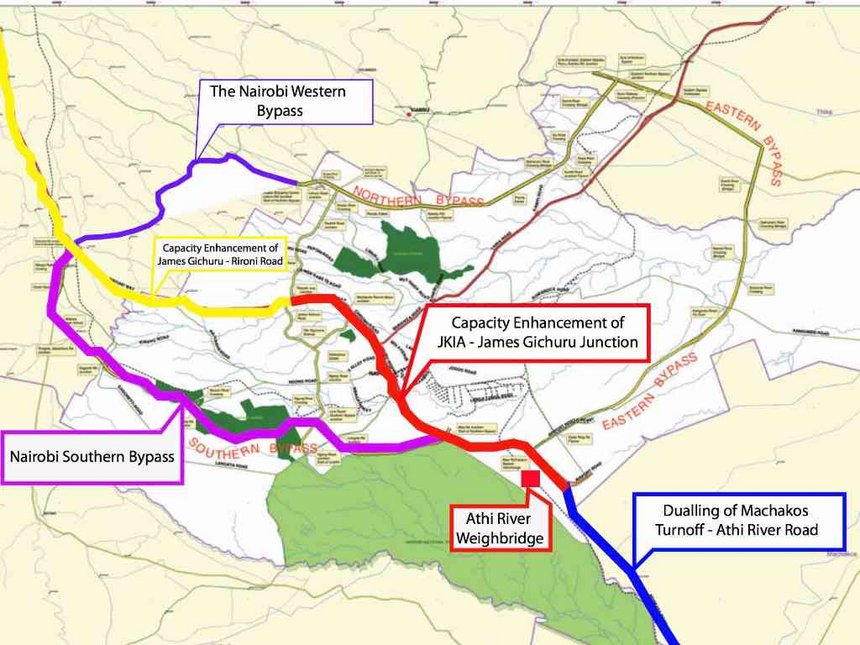
From Jomo Kenyatta International Airport (JKIA): The most direct route is via Mombasa Road and the Southern Bypass. Exit at Lang’ata Road and follow the signs to the park entrance.
Ride-Hailing & Taxis: Services like Uber or Bolt are widely available and can drop you directly at the gate. Local taxis from the CBD typically cost around KSh 700 to KSh 1,000.
2. Public Transportation Options
For those on a budget, you can use Nairobi’s public transport system (matatus or buses).
Matatu Routes: Take a matatu heading towards Lang’ata or Ongata Rongai from downtown Nairobi (common boarding points include Kencom House or the Kenya Bus Station).
Designated Lines: Bus lines such as 125, 126, 24, and 24C have routes that pass near the Lang’ata Gate.
KWS Shuttle: A special bus shuttle is often available on weekends and public holidays, departing from the town center near Nakumatt Moi Avenue between 10:00 AM and 12:00 PM.
Nairobi National Park Charges
| Category | Adult | Child |
|---|---|---|
| East African Citizen (KSH) | 1,000 | 500 |
| Resident (KSH) | 1,350 | 675 |
| Non-Resident (USD) | 80 | 40 |
| African Citizen (USD) | 40 | 20 |
Vehicle Charges Per Day
| No. of Seats | Charges (KSH) |
|---|---|
| Less than 6 seats | 600 |
| 6 – 12 seats | 1,500 |
| 13 – 24 seats | 3,000 |
| 25 – 44 seats | 4,500 |
| 45 seats and above | 5,000 |
Special Services & Activities
| Service | Duration | Charges |
|---|---|---|
| Security / Guided Tour (Per Guide) | Up to 4 hours | KSH 2,000 |
| Security / Guided Tour (Per Guide) | Over 4 hours | KSH 4,000 |
Hire of VIP Van
| Duration | Charges (KSH) |
|---|---|
| Up to 2½ hours | 10,000 |
| Up to 4 hours | 15,000 |
| Up to 6 hours | 20,000 |
Mode of Payment: Through eCitizen via M-Pesa or Visa Card (kwspay.ecitizen.go.ke)
Nairobi National Park Tickets
Buy official entry tickets securely
Nairobi National Park Animal Orphanage
The Kenya Wildlife Service runs the Nairobi Animal Orphanage, which is a wildlife rescue, treatment, rehabilitation, and education center. It is an important part of Kenya’s conservation efforts. It helps wild animals that have been orphaned, hurt, taken away, or moved because of poaching, illegal wildlife trade, human-wildlife conflict, and habitat loss. Its main goal is to rehabilitate these animals and release them back into protected areas whenever possible. Animals that can’t live on their own are kept only for conservation education. This helps raise public awareness about protecting wildlife, conservation laws, and how people and wildlife can live together in a way that is beneficial for both. It also helps with research and national wildlife management efforts in Kenya.
Nairobi National Park Safari Walk
The Kenya Wildlife Service oversees the Safari Walk, an elevated boardwalk attraction close to the park’s main gate. It enables guests to stroll along approved routes and safely see natural areas. This experience is best suited for:
Families with children
School groups and students
Visitors who prefer walking experiences over vehicle safaris
Those with limited time
Is the safari walk inside Nairobi National Park?
The Safari Walk is:
Not part of the main game drive areas
Located adjacent to Nairobi National Park
Managed by the same authority (KWS)
It is best described as a complementary attraction rather than a replacement for a full safari within the park.
Best Time to Visit Nairobi National Park
The dry season, which typically runs from June to October and again from January to February, is widely considered the best time to visit Nairobi National Park. During this period:
Vegetation is thinner, making wildlife easier to spot
Animals gather around water sources
Roads and tracks are easier to navigate
Weather conditions are generally comfortable
Predators such as lions and cheetahs are often more visible in the early mornings and late afternoons, making this season ideal for game drives and photography. The rainy seasons usually occur from March to May (long rains) and November to December (short rains). While rainfall can affect visibility and road conditions, visiting during these months still has its advantages.
Accommodation
Although Nairobi National Park does not have KWS bandas, guest homes, or campsites, guests can stay at the privately owned lodging alternatives that are situated right at the park’s edge. Among them are
• Safari Lodge Ololo
• Tented Camp in Nairobi
• Emakoko Lodge
The Nairobi metropolitan area and its surroundings provide a diverse range of lodging options.
Nairobi National Park Animal Orphanage: Complete Visitor Guide, Fees, Animals & Conservation Role
Nairobi National Park Map
Is Nairobi National Park the only national park in Nairobi?
Yes. Nairobi National Park is the only officially gazetted national park located within Nairobi. Other green spaces in the city are forests or nature reserves, not national parks.
Where is Nairobi National Park located?
Nairobi National Park is located about 7 kilometers south of Nairobi’s city center, along Lang’ata Road, making it one of the most accessible national parks in Kenya.
What animals can you see in Nairobi National Park?
People can see lions, black and white rhinos, giraffes, buffaloes, zebras, wildebeest, and more than 400 kinds of birds. The park is best known for its program to protect rhinos.
Can you go on a safari in Nairobi?
Yes. Nairobi National Park offers game drives and guided safari tours, allowing visitors to enjoy a full safari experience without leaving the city.
What is the Nairobi National Park Safari Walk?
The Safari Walk is a KWS-managed attraction near the park’s main entrance. It features raised boardwalks that allow visitors to observe wildlife habitats on foot. It is related to, but separate from, the main areas for game drives in the park.
Is the Safari Walk inside Nairobi National Park?
No. The Safari Walk is located adjacent to the park, not inside the main wildlife areas. It complements a park visit but does not replace a safari game drive.