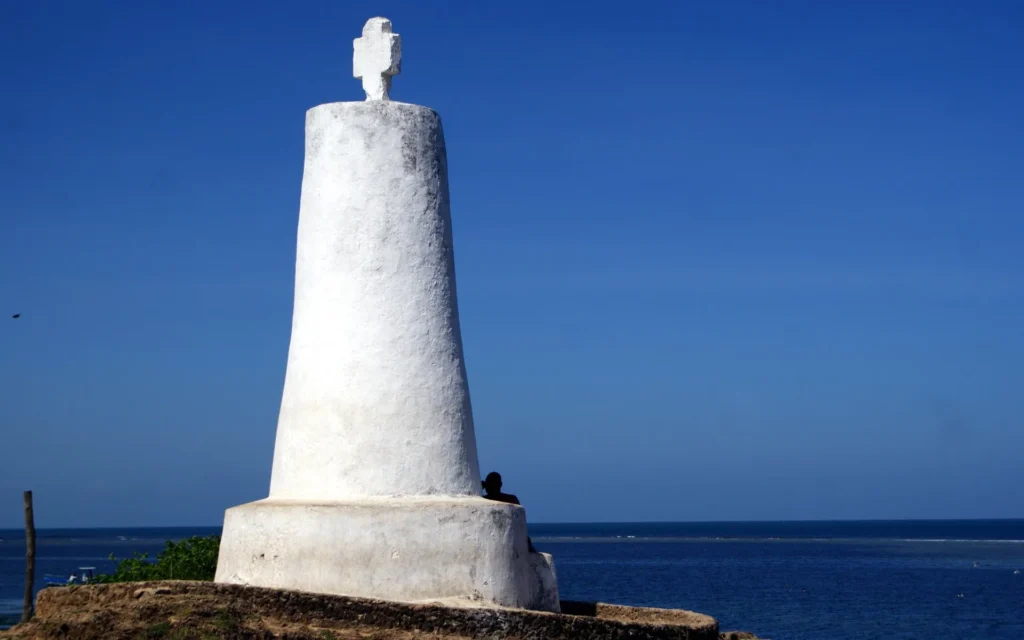
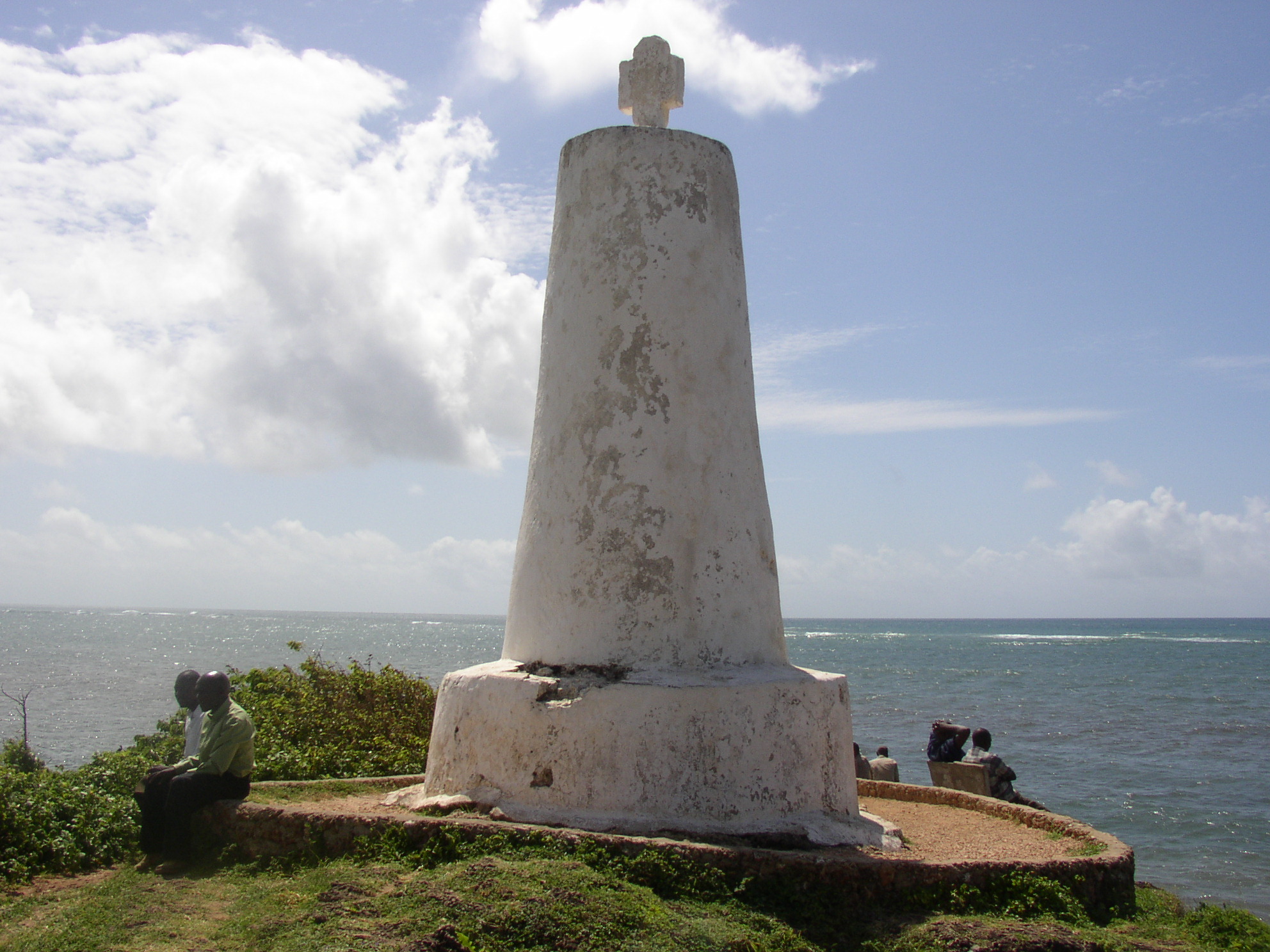
The Vasco da Gama Pillar is one of Kenya’s oldest and most historically significant coastal landmarks. Standing quietly on a coral cliff overlooking the Indian Ocean in Malindi, this centuries-old monument tells a story of exploration, trade, and cultural encounters that shaped the East African coast.
Whether you are a history enthusiast, a curious traveler, a student, or someone planning a coastal holiday in Kenya, the Vasco da Gama Pillar is a must-visit site. This guide covers everything you need to know—from its history and location to entrance fees, visiting tips, and why it still matters today.
Why the Vasco da Gama Pillar Still Matters
At first glance, the Vasco da Gama Pillar may appear simple—a stone monument by the sea. But behind it lies over 500 years of global history. It marks one of the earliest direct connections between Europe and East Africa, long before modern borders existed. Today, the pillar serves as
- A national monument of Kenya
- A symbol of early maritime navigation
- A reminder of Malindi’s role in global trade
- A peaceful viewpoint with stunning ocean scenery
For visitors exploring Malindi, this site offers something rare: a place where history, nature, and culture meet.
Where Is the Vasco da Gama Pillar Found?
The Vasco da Gama Pillar is located in Malindi, a historic coastal town in Kilifi County, Kenya.
Open Google Map
- On a coral cliff overlooking the Indian Ocean
- Near Malindi town center
- Approximately 120 km north of Mombasa
The site is easily accessible by road and is often combined with visits to other Malindi attractions.
Where Is Vasco da Gama Pillar Found? Directions & Map Guide
A Brief History of Vasco da Gama Pillar
The pillar was erected in 1498 by the Portuguese explorer Vasco da Gama during his first voyage to India.
Why Vasco da Gama Came to Malindi
At the time, Malindi was a powerful Swahili trading city with strong links to Arab and Asian merchants. Vasco da Gama found Malindi friendly, unlike some other coastal towns that resisted Portuguese influence. As a gesture of goodwill and navigation marking, he ordered the construction of the pillar.
What the Pillar Symbolized
- A navigational marker for Portuguese ships
- A sign of Portuguese–Swahili alliance
- A physical claim of maritime presence along the East African coast
The original pillar featured a cross at the top, which was later replaced after damage over the centuries.
History of Vasco da Gama Pillar: 1498 to Modern Kenya
Architectural Features of the Pillar
Though modest in size, the Vasco da Gama Pillar carries distinct features:
- Built from coral stone
- Cylindrical structure
- Originally topped with a Portuguese cross
- Positioned strategically facing the ocean
The design was simple yet purposeful—meant to last, be visible from the sea, and serve as a maritime reference point.
Vasco da Gama Pillar Entrance Fee & Opening Hours
Entrance Fees
Citizen
| Adult | Ksh 100 |
| Child | Ksh 50 |
Residents
| Adult | Ksh 100 |
| Child | Ksh 50 |
Non-Residents
| Adult | Ksh 500 |
| Child | Ksh 250 |
Opening Hours
Open all year round
- Monday to Sunday
- 8:00 a.m.–6:00 p.m.
Vasco da Gama Pillar Entrance Fee & Opening Hours (Updated Guide)
What to Expect When You Visit
Visiting the Vasco da Gama Pillar is a calm, reflective experience rather than a crowded tourist attraction.
Highlights of the Visit
- Panoramic views of the Indian Ocean
- Cooling sea breeze
- Quiet atmosphere ideal for reflection
- Informative guides available on request
How Long Does a Visit Take?
- Average visit time: 20–40 minutes
- Can be longer if combined with nearby attractions
Best Time to Visit Vasco da Gama Pillar
The coastal climate makes Malindi pleasant most of the year, but timing still matters.
Best Months
- July to October – cooler and dry
- January to March – warm and sunny
Best Time of Day
- Early morning (soft light, fewer visitors)
- Late afternoon (great photography, cooler temperatures)
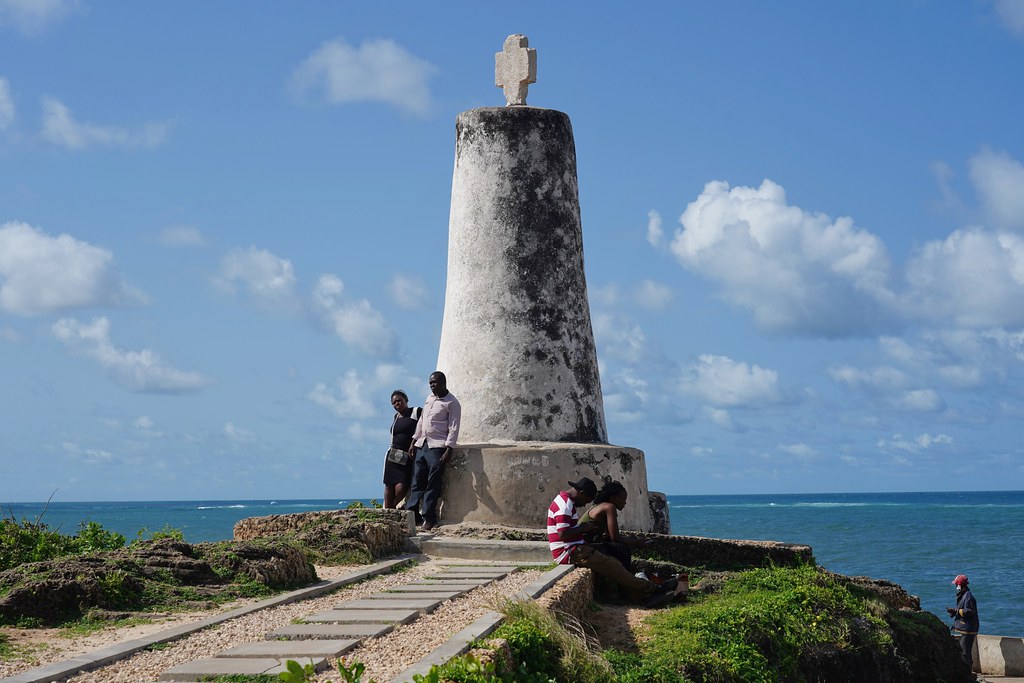
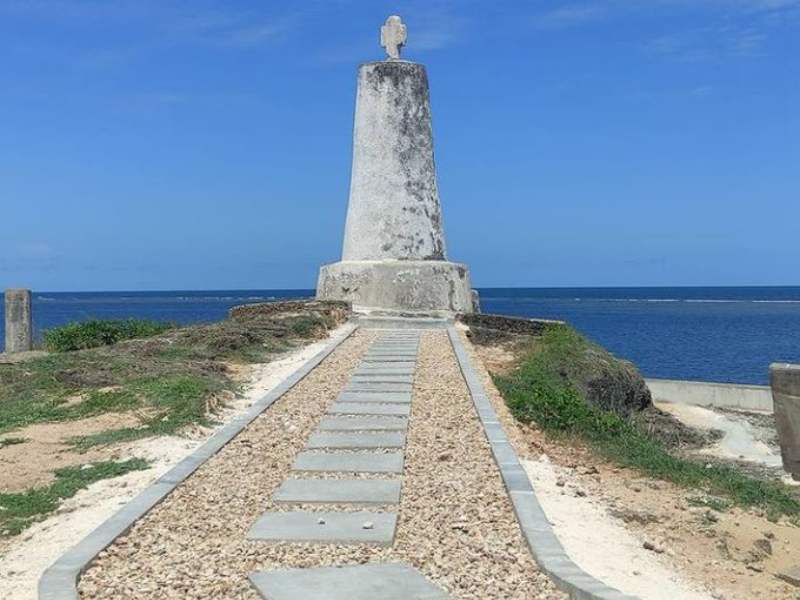
Photography & Scenic Views
Photography Tips
- Use wide-angle shots to capture ocean + monument
- Visit during golden hour for dramatic skies
- Capture the coral cliff for texture and depth
Vasco da Gama Pillar Photos: Best Angles & Photography Tips
Cultural and Educational Importance
For students and researchers, the Vasco da Gama Pillar is more than a tourist site.
Why It’s Important
- Teaches early global navigation
- Explains Swahili–European interaction
- Supports Kenya’s heritage conservation efforts
Schools often include it in educational tours, making it a living classroom of coastal history.
Nearby Attractions in Malindi
A visit to the Vasco da Gama Pillar pairs well with other sites:
- Malindi Museum
- Gede Ruins
- Malindi Marine National Park
- Malindi Old Town
This makes Malindi a full-day or weekend destination for travelers.
Travel Tips for First-Time Visitors
- Wear light clothing and comfortable shoes
- Carry water, especially during hot months
- Respect the site—it is a protected monument
- Combine the visit with a guided town tour
Frequently Asked Questions (FAQ)
1. Where is Vasco da Gama Pillar found?
It is found in Malindi, Kilifi County, Kenya, overlooking the Indian Ocean.
2. When was Vasco da Gama Pillar built?
The pillar was erected in 1498.
3. Why is Vasco da Gama Pillar important?
It marks early European exploration and Malindi’s role in global trade history.
4. Is Vasco da Gama Pillar worth visiting?
Yes. It offers historical insight, scenic views, and cultural significance at a low cost.
5. Is Vasco da Gama Pillar a national monument?
Yes. The Vasco da Gama Pillar is a protected national monument under Kenya’s heritage conservation laws and is managed by the National Museums of Kenya.
6. How old is the Vasco da Gama Pillar?
The pillar is over 525 years old, making it one of the oldest European monuments in Africa.
7. Is Vasco da Gama Pillar suitable for children and school trips?
Yes. The site is family-friendly and commonly visited by schools for educational tours focused on:
Kenyan coastal history
Early global trade routes
Maritime exploration
Why You Should Visit Vasco da Gama Pillar
The Vasco da Gama Pillar may not be grand in size, but it is immense in meaning. It connects Kenya’s coast to world history, reminding us that Malindi was global long before globalization became a word. If you are visiting the Kenyan coast, this quiet monument offers a moment to pause, reflect, and appreciate the deep historical currents that shaped East Africa.